



More Tanzanians Now Opt For Coffee As Local Consumption Of The Coffee Bean-Based Beverage Surges By Four Per Cent

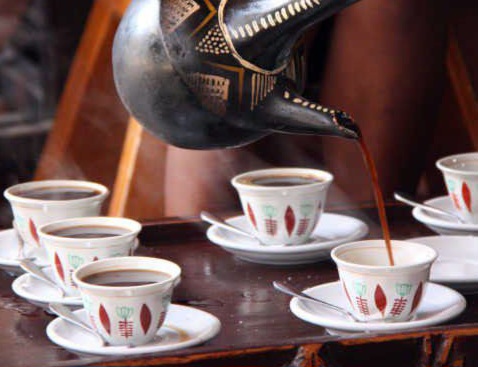
If you are planning to travel to Tanzania, then a hot cup of coffee is waiting for you!
Blessed with a rich variety of raw materials for hot beverages, coffee is increasingly emerging as a beverage of choice among Tanzanians.
The positive trend is attributed, among other factors, to the Tanzania Coffee Board (TCB) taking vital steps to establish modern coffee cafeterias at popular public locations across the country and introducing an annual coffee festival.
From an estimated three per cent in 2019, coffee consumption in Tanzania has currently increased to at least seven per cent, with the TCB implementing various strategies to further raise the consumption rate to 15 per cent.
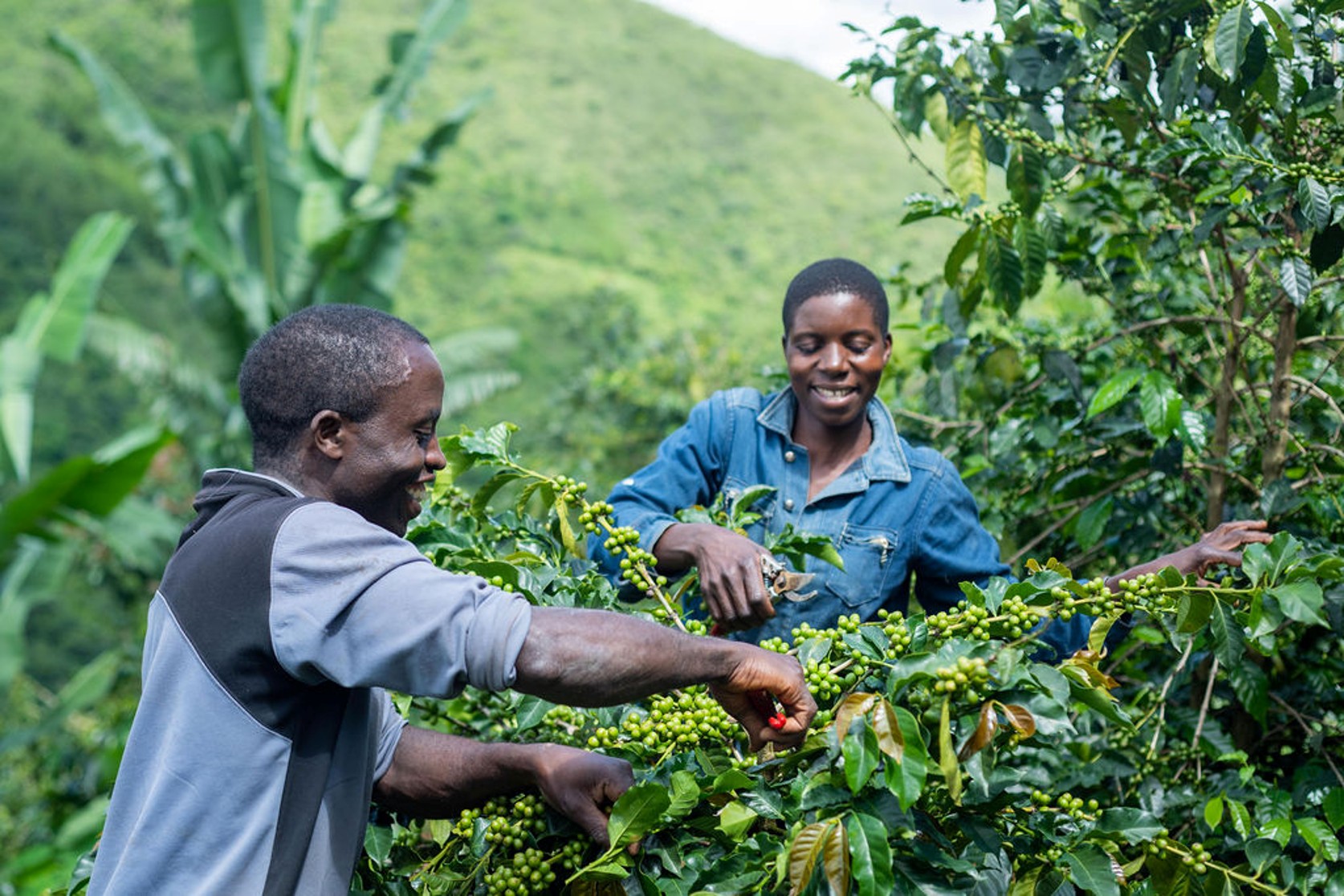
Arabica and Robusta varieties dominate coffee production in Tanzania, supported by favourable weather conditions and suitable ecological landscapes in different parts of the country, including Iringa, Kigoma, Mbeya, Mbinga, Morogoro, Ngara, northern Kilimanjaro and the Usambara Mountains.
In February 2026, Tanzania emerged as Africa’s leading country for coffee quality and ranked fourth globally at the African Fine Coffees Association (AFCA) conference in Addis Ababa, Ethiopia, highlighting the country’s growing reputation in the sector.
Tanzanian coffee production averages between 30,000 and 40,000 metric tonnes annually, of which approximately 70 per cent is Arabica and 30 per cent is Robusta.
Coffee is among Tanzania’s traditional cash crops, alongside cashew nuts, cotton, tea and tobacco, and remains a key foreign exchange earner.
Coffee is one of Tanzania’s leading traditional cash crops, contributing to the growth of traditional exports to USD 1,512.2 million in 2025, up from USD 1,473.3 million in 2024, driven by both higher prices and increased export volumes.
Mr Primus Kimaryo, the Director General (DG) of the Tanzania Coffee Board (TCB), informed this publication that the crop is prioritised under the national Agriculture Master Plan 2050 and is among the strategic commodities targeted for expanded processing, value addition and export market growth.
“The importance of coffee extends beyond on-farm cultivation. The sector also encompasses processing, packaging, marketing and exportation. These are basic areas we are currently working to improve, among others,” he stated.
He said the ongoing efforts aim to attract more investment into the coffee sector, channel capital into rural areas, create employment, expand markets for local farmers and support value addition.

Successful implementation of these interventions, Mr Kimaryo observed, would enable the sector to acquire modern processing facilities and adopt more efficient marketing systems, allowing Tanzanian coffee to compete more effectively in regional and international markets.
A stable business environment can help companies implement their plans, while investment can generate employment, stimulate production and create opportunities for local economic participation, he added.
The availability of an adequate supply of improved coffee seedlings remains an essential prerequisite for boosting production in the sector.
Mr Kimaryo explained that coffee seedling production had also recorded a satisfying upward trend, a vital development that had enabled farmers to scale up production.
During the 2019/2020 season, seedling production stood at 7,059,836, before increasing to 11,388,474 in the 2020/2021 season.
In the 2021/2022 and 2022/2023 seasons, production rose from 14,116,173 to 17,866,980 seedlings, respectively.
However, the actual demand for coffee seedlings in Tanzania is estimated at between 50 million and 60 million annually. Consequently, the TCB is working towards producing 20 million coffee seedlings per year.
Tanzania ranks among the world’s recognised coffee-producing countries, producing high-quality varieties, including Colombian Mild-type coffee.
Among the countries that regularly import Tanzanian coffee are the United States, Morocco, South Africa, Sweden, Russia, Italy, Belgium and Germany.