



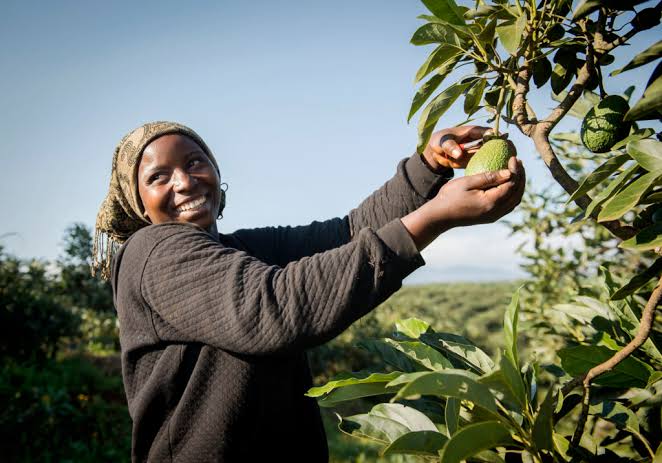
To further advance the performance of Tanzania’s avocado sector, the government has unveiled robust strategies, including the establishment of at least 20 collection and storage centres in 13 councils across the country.
The collection and storage facilities, which have been established by the government at a cost of around 3bn/-, will play a key role in ensuring that the country’s avocado produce reaches local and international markets while meeting recommended consumer quality standards.
As part of the introduced strategies, the government also wants to ensure that fruit that fails to meet export market standards is not discarded, but instead channelled to alternative markets and uses.

The crucial strategies were revealed by the Minister of Agriculture, Mr Daniel Chongolo, in his remarks at the opening of the Third National Avocado Stakeholders Forum held in Dodoma.
“The growth of the avocado industry in Tanzania must go hand in hand with ensuring that every avocado produced is put to productive use,” he said.
The Cereals and Other Produce Regulatory Authority (COPRA), the Tanzania Plant Health and Pesticides Authority (TPHPA) and the Tanzania Agricultural Research Institute (TARI) have also been tasked with strengthening production, quality assurance, collection, processing and marketing systems in a bid to add value to the crop and increase farmers’ incomes.
The strategies have come at the right time, as Tanzania’s avocado sector continues to carve out a successful niche in the global market.
During the 2025/2026 season, Tanzania exported a total of 52,000 tonnes of avocados, a shipment that saw a significant surge in the country’s foreign exchange earnings from the sector, rising from US$44.2 million to US$97.2 million during the period in question.
At the same time, efforts by the Ministry of Agriculture and its relevant institutions to boost the sector have contributed to an increase in avocado production from 149,340 tonnes in 2020/2021 to 203,473 tonnes in 2025/2026.
The government has also continued to strengthen the sector through the recruitment of 50 young agro-pundits under the Building a Better Tomorrow (BBT) programme to equip local fruit growers with recommended agronomic practices.
Under the well-established impetus in the sector, relevant Agricultural Marketing Cooperative Societies (AMCOS) have been empowered, while at least 169 farmer groups have received special subsidies for 129,986 avocado seedlings to support orchard establishment and expansion.
According to Minister Chongolo, a total of 39 boreholes have been drilled in Njombe, Mufindi and Iringa, with an eye to boost avocado production through irrigation schemes.
The private sector has also been prioritised in line with efforts to cement these concerted initiatives to develop infrastructure for the collection, packaging and storage of avocados.
COPRA Director General (DG), Ms Irene Mlola, said that during the 2026/2027 season, major emphasis would be placed on completing and operationalising avocado collection and storage centres.

According to her, strengthening regulatory oversight to ensure transparency and traceability throughout the avocado value chain will also be at the forefront of the planned strategies.
The COPRA chief executive said Tanzania was continuing to expand its avocado export markets in countries including the Netherlands, India, the United Arab Emirates, France, South Africa and China.
Ms Mlola also urged the private sector to continue chipping in and increase investment in avocado processing and value addition, saying this would create alternative outlets for fruit that fails to meet export quality specifications.
“Such an approach would help ensure that off-grade avocados are transformed into other products or sold through alternative markets rather than being discarded, thereby reducing post-harvest losses and protecting farmers’ incomes,” she insisted.