



Tanzania Eyes Cloud-Connected Technology To Boost Productivity, Value Addition In Forest Products

By Our Correspondent – St Petersburg, Russia
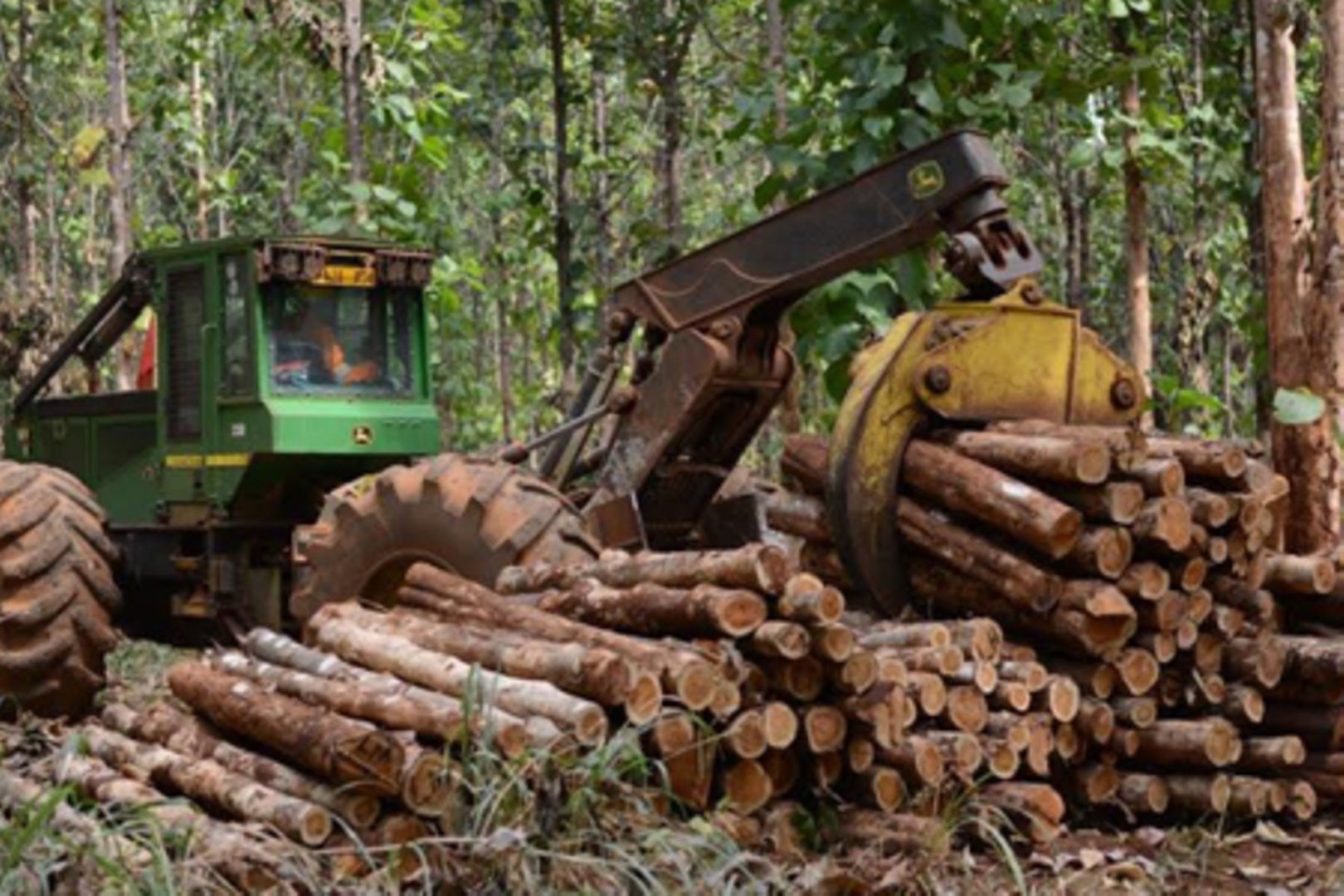
Tanzania stands in a prominent position as a major exporter of forest products to countries across Africa and beyond, significantly contributing to the nation’s foreign currency earnings.
Key markets include China, India, and several countries in East and Central Africa, among others.
Recent data shows that Tanzania exported more than 1.9 million metric tonnes of wood products, including plywood, marine boards, and laminated boards.
This growth is attributed to the government’s strategic efforts to strengthen management, monitoring, and promotion within the forestry sector.
As of early 2026, Tanzania’s forestry sector has expanded rapidly, with exports growing by 334 percent over the previous four years.
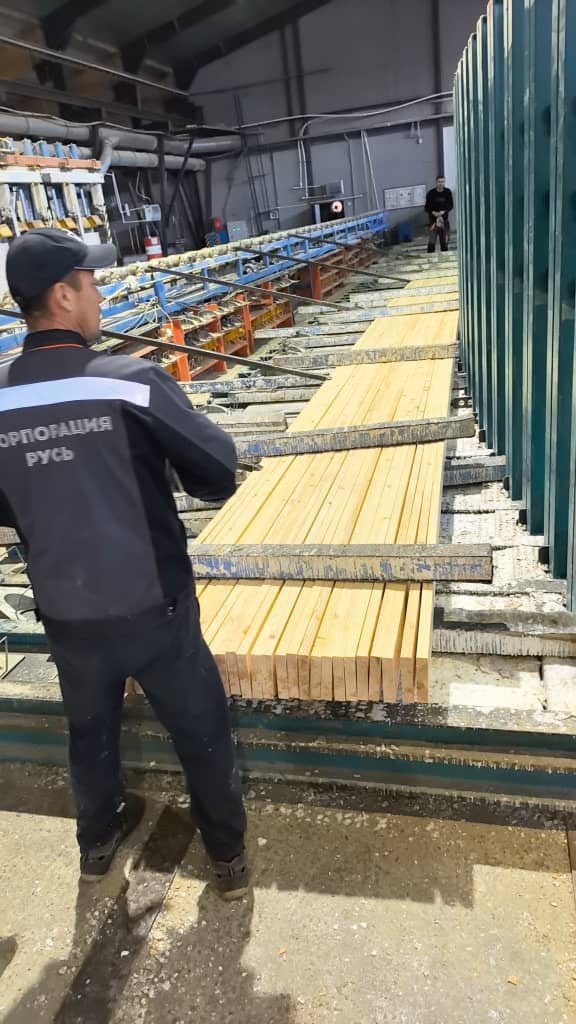
In Tanzania, the forest products sector contributes significantly to the economy, with an estimated value exceeding 4.65 trillion/-.
With an eye to further improving the performance of the sector, the Tanzania Forest Services Agency (TFS) recently sent its experts to participate in a special high-level training on forest products and related technologies in Russia.
Held from September 27 to October 4, 2026, in St Petersburg, the training was part of the implementation of a Memorandum of Understanding between the Tanzania Forest Services Agency (TFS) and the St Petersburg State Forest Technical University (SPbSFTU) through the Professional Development Programme.
Speaking on behalf of the TFS Conservation Commissioner (CC), Prof. Dos Santos Silayo, the coordinator of the programme for Tanzania, Chief Conservator Jared Elly Otieno, revealed that the experts had received key practical training in high-level technologies for timber value addition, monitoring forest growth, ecological management, and maintaining forest resource data.
He said the acquired knowledge and skills would play a vital role in helping Tanzania increase the timber recovery rate after harvesting and add value to forest products through modern processing.
Otieno added that, through the acquired knowledge, the TFS-trained experts would educate stakeholders in the country’s timber industry on ways to increase the production of furniture and other wood products within Tanzania, thereby reducing dependence on imported products.
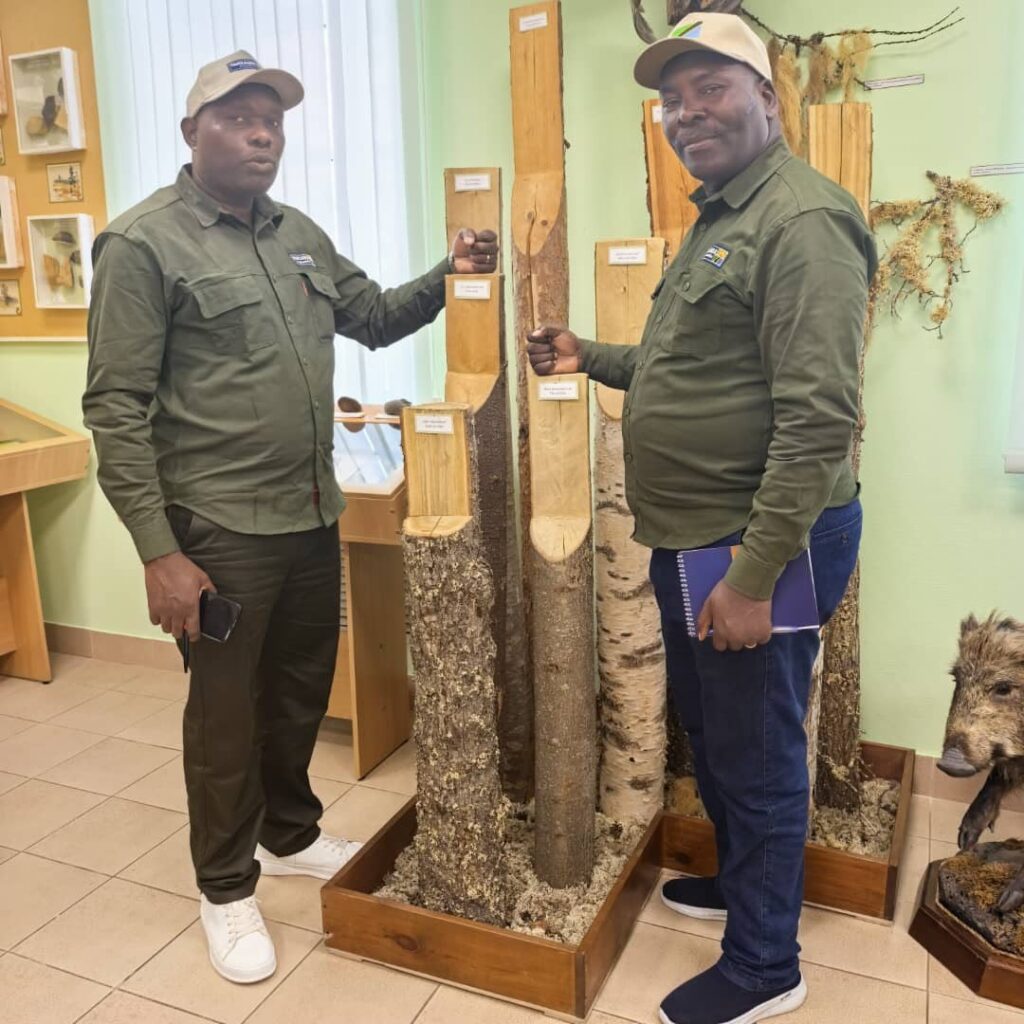
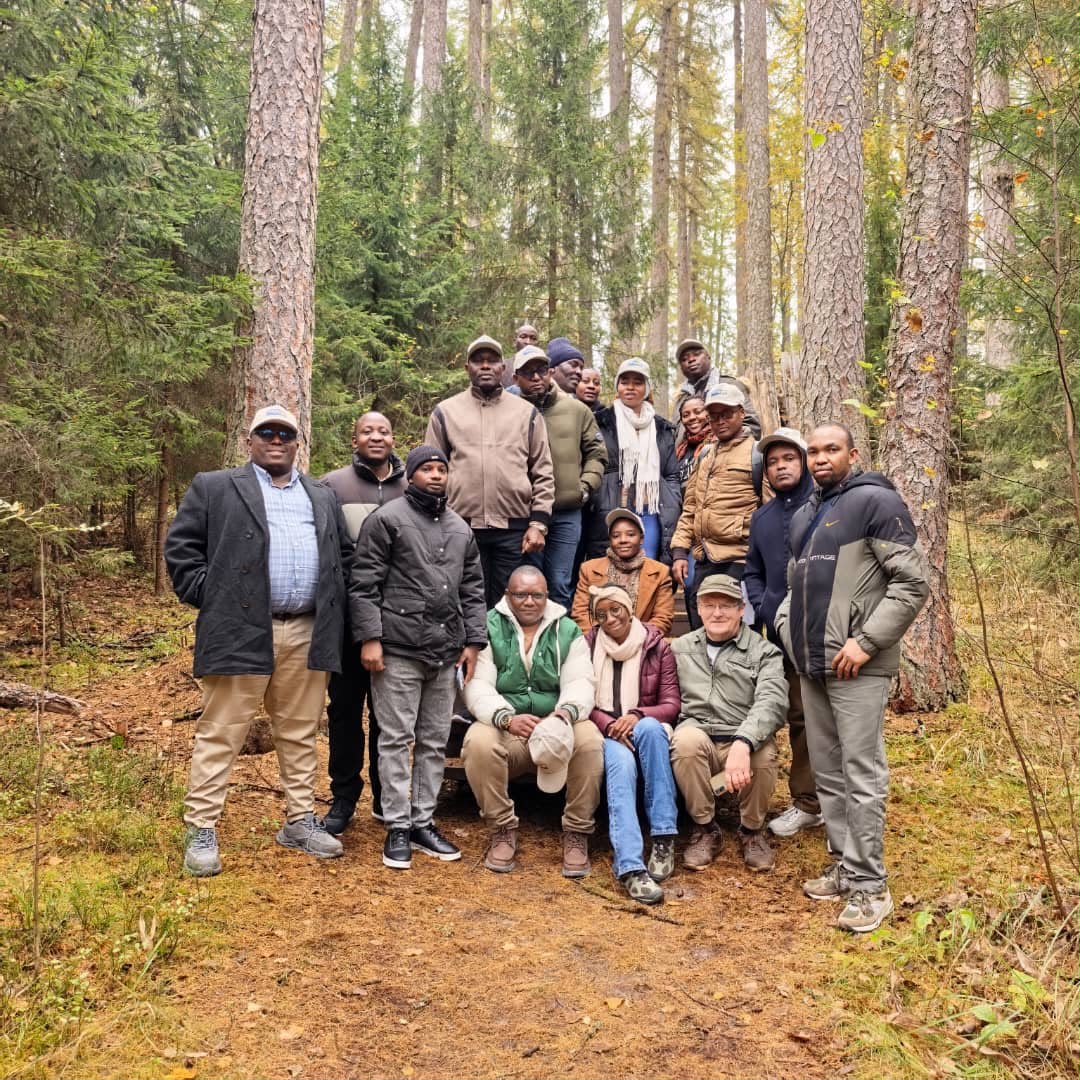
The Tanzanian delegation was led by the Director General of the Tanzania Forestry Research Institute (TAFORI), Dr. Revocatus Mushumbusi, and comprised experts from TFS, TAFORI, Sokoine University of Agriculture (SUA), the University of Dar es Salaam (UDSM), and the Ministry of Foreign Affairs and East African Cooperation.
The visit also included tours of various forestry institutions and facilities, including SPbSFTU, the Lisinsky Training and Research Centre, and forest product processing facilities, with the aim of learning about the application of technology in the sector.
According to Otieno, the cooperation is expected to strengthen the value chain of forest products, enhance productivity among stakeholders, create employment opportunities in forest-based industries, and increase government revenue generated from trade in these products.
In Tanzania, more than 80 percent of traders in the forest products sector are local entrepreneurs, with the remainder being foreign investors, many of whom operate processing factories.
To sustain this positive trajectory, TFS is collaborating with other government institutions to implement sound policies and regulations.
These regulations ensure that forests are harvested responsibly, both in terms of timing and volume, and that products are transported, processed, and exported in a professional manner.
The regulatory framework covers business permits, tree harvesting licences, and transportation or export approvals.
Under these efforts, professional patrols to curb forest destruction and illegal logging have also been intensified.
So far, TFS has integrated cloud-based technology to oversee the trade. One key tool is the Forest Resources Management Information System (FOMIS), which tracks the entire supply chain from harvesting to market delivery.
This digital system enhances accountability and transparency among all stakeholders in the forest products industry.
The primary goal, among others, is to ensure the sustainable and prosperous growth of both natural and plantation forests, while creating economic opportunities for more Tanzanians to engage in and benefit from the sector.