




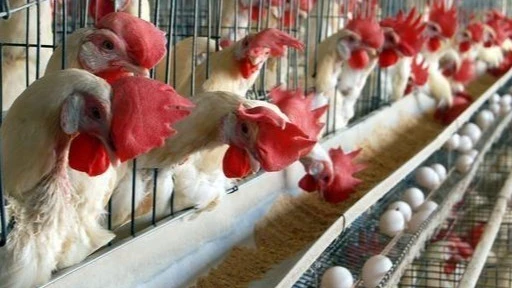
The Tanzania–Netherlands Poultry Commercial Forum has commenced in Dar es Salaam, focusing on strengthening cooperation, experience and skills-sharing between Dutch and Tanzanian poultry farmers to promote best practices for improving productivity in the sector and enhancing food security.
The two-day exhibition is staged to provide a prestigious platform for sharing best practices in animal feeding, technical know-how, digital solutions and value addition.
The event has been organised at a timely moment as the host country is working to implement its 10-year National Poultry Development Strategy (NPDS).
Speaking to journalists on the sidelines of the official launch of the exhibition in Dar es Salaam yesterday, Deputy Netherlands Ambassador to Tanzania, Mr Onno Koopmans, said the tailor-made poultry show was gaining annual momentum.
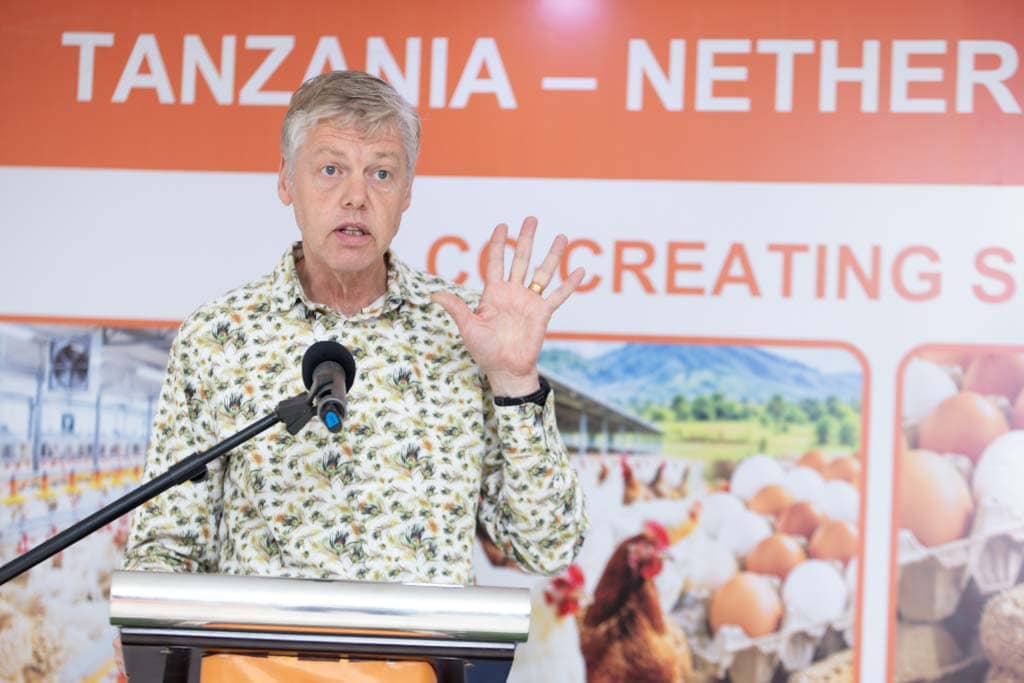
He observed that the number of exhibition booths had significantly increased from eight to 18 in just one year, describing the development as clear testimony that the partnership between Tanzania and the Netherlands in the poultry sector was growing rapidly.
“Last year, I had the privilege of visiting the Dutch poultry pavilion, which had eight booths. This year, there are 18. This increase is impressive and a clear sign that the sector is moving very fast,” he said.
He noted that the partnership between the two countries focuses on knowledge and experience sharing in housing, equipment, feed and nutrition as part of efforts to empower Tanzanian poultry farmers to meet acceptable regional and international standards.
Mr Koopmans added that although the Netherlands is a small country, it is one of the world’s largest exporters of poultry products, a position attributed to its heavy investment in research, innovation, animal health, food safety and sustainable production.
“This did not happen by accident; it came from decades of investment in knowledge institutions, well-trained farmers and the government working as one chain.
“That is why we are a reliable partner. We bring solutions across the entire chain, and we stay for the long term. Our commitment over the next four years is to improve skills and knowledge,” he underscored.
He said the Netherlands believes in learning from one another through regional best practices, noting that the forum had attracted several regional poultry associations and industry players who were bringing regional perspectives to help improve the poultry industry.
“Feed accounts for more than 70 per cent of production costs. Perhaps regional collaboration on feed raw materials could help bring costs down in a win-win situation, but I leave that to the experts,” he said.
On her part, the Netherlands Embassy in Dar es Salaam’s Agricultural Counsellor, Ms Yvonne Van Laarhoven, said the forum aimed to promote the sharing of best practices in animal feeding, technical know-how, digital solutions and value addition.
“Poultry is a priority for both Tanzania and the Netherlands, and the reason is simple: people want affordable protein, cities continue to grow, and broiler and layer farmers are expanding rapidly. In short, the demand is not a question of ‘chicken or eggs’; it is both,” she said.
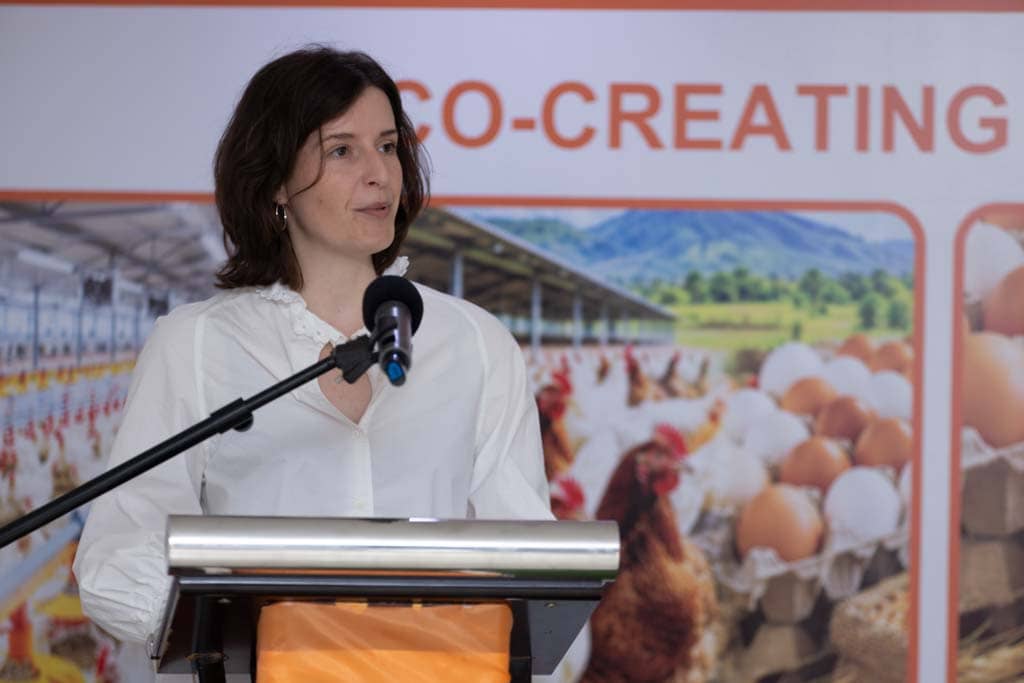
She highlighted that a successful poultry business requires more than ambition and birds, noting that it also depends on quality feed, genetics, good management, proper housing, climate control and strong biosecurity measures.
“Beyond the farm gate, the sector requires slaughtering, processing and a cold chain to add value to products. Today, digital tools connect all these stages through data; even chickens are now part of the Internet of Things,” she noted.
Ms Van Laarhoven added that, over the next four years, the two countries would continue working together to strengthen skills and knowledge in sustainable production, animal health, feed, genetics and value addition to foster the growth of the poultry sub-sector.
She said that over the past two years, Royal GD and the Tanzania Veterinary Laboratory Agency (TVLA) had been working together to build capacity in poultry disease diagnosis. More recently, a Dutch firm, Aeres Training Centre, had completed a draft poultry curriculum.
Sufian Kyarua, from the Poultry Association of Tanzania, said the forum provided Tanzanian poultry farmers with an opportunity to learn best practices from the Netherlands and other regional participants.
“It aims to connect poultry farmers from the regional level to meet and exchange knowledge, experience and skills on best practices in poultry production and technical know-how,” he said.
He said the exhibition had attracted 100 companies from different countries, comprising 70 local firms and 30 foreign companies, with a primary focus on promoting best practices in quality feeds, technology, housing and good management to boost poultry production and food security across the region.
Ms Saida Bwanaheri, from SAB Investments, said the forum presented a valuable opportunity for Tanzanian farmers to learn best practices in poultry farming from their counterparts.
Ms Bwanaheri said animal feed production deserved expansion, alongside improved access to quality training, digital solutions and strategic partnerships that could accelerate the transformation of Tanzania’s livestock sector.
Based on SAB Investments’ experience, Tanzania’s livestock and feed sector had recorded significant growth over the past three to five years, driven by rising demand for high-quality livestock products, increased commercial farming and growing awareness of the importance of quality animal nutrition, according to Ms Bwanaheri.
The exhibition offers valuable opportunities for networking, business expansion and showcasing innovations in the poultry industry. Participants can meet industry leaders, gain insights into emerging trends and explore potential business opportunities.
The Dutch Embassy in Dar es Salaam has been actively supporting Tanzania’s poultry sub-sector through various initiatives.
These include the Dutch–Tanzania Poultry Knowledge Exchange seminar, which aims to boost productivity and strengthen skills in the sector.
The Embassy has also launched two major projects to promote agricultural growth in the poultry sub-sector, focusing on poultry disease diagnosis and curriculum assessment. These initiatives form part of a broader commitment to enhancing the sustainability, efficiency and resilience of agricultural practices in Tanzania.
The Embassy’s initiatives are part of wider efforts to strengthen Tanzania’s poultry sector, which is experiencing rapid growth driven by increasing demand for protein from the country’s expanding population.
The Embassy’s collaboration with local stakeholders and industry partners is expected to contribute significantly to national food security, rural livelihoods and economic growth.