



Tanzania To Strengthern Conservation Of Mangrove Forest To Boost Blue Economy In The Country’s Northeastern

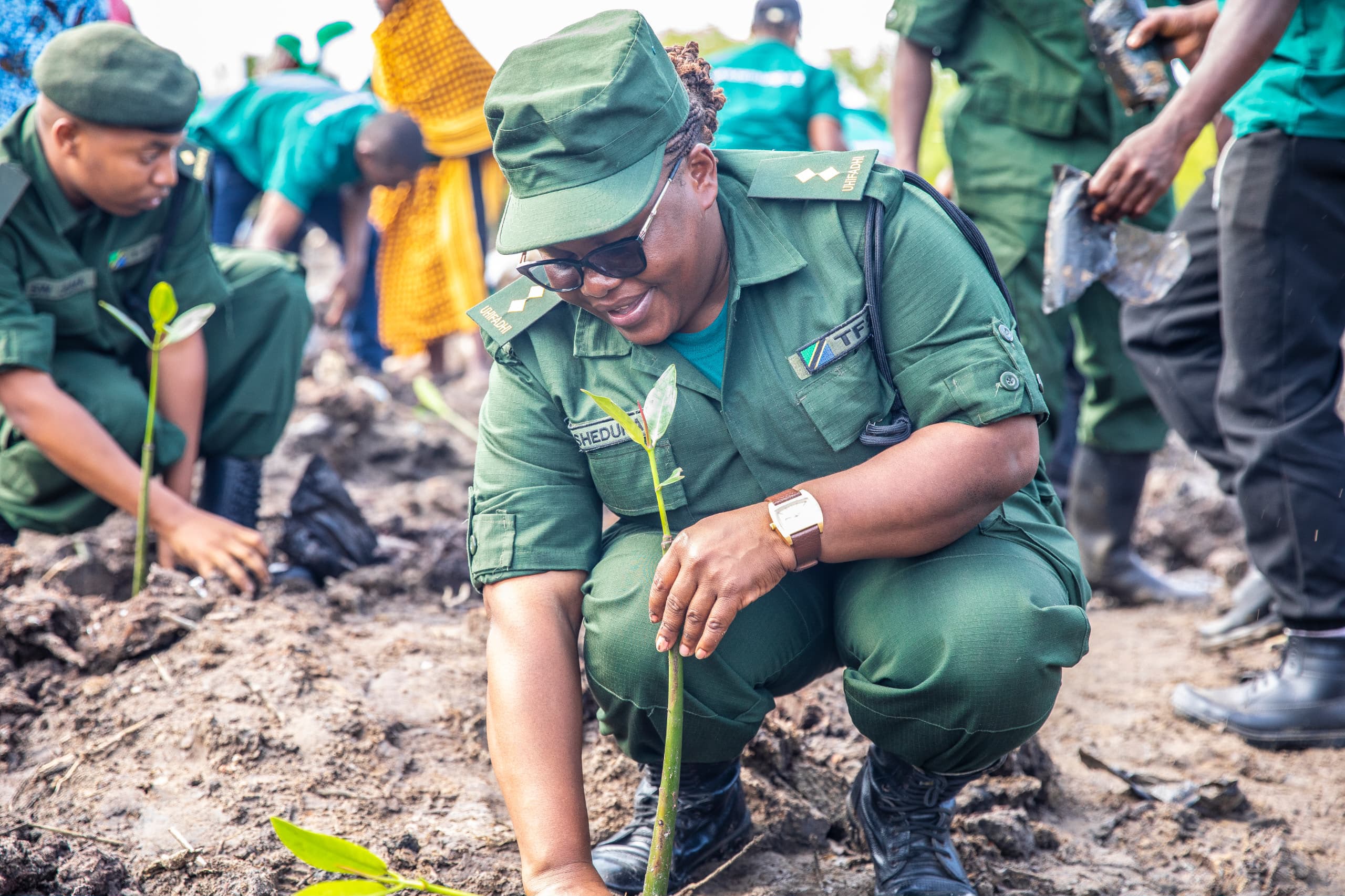
TANGA: Tanga Region is one of the three key areas in Tanzania that host a total of 58,000 hectares of mangrove forests.
Others are Rufiji Delta and Zanzibar. These vital coastal ecosystems protect shorelines, store large amounts of carbon, and serve as nurseries for marine life.
Overall, Tanzania is home to approximately 158,100 hectares of mangrove forests spread across 14 coastal districts.
However, despite being endowed with these valuable trees and shrubs that grow in coastal intertidal zones, concern is growing over the continued destruction of mangrove forests in the Tanga coastal region.
According to Tanga Regional Commissioner, Ambassador Dr. Batilda Buriani, the move poses a serious threat to Tanzania’s blue economy, the livelihoods of coastal communities and the protection of the country’s shoreline.
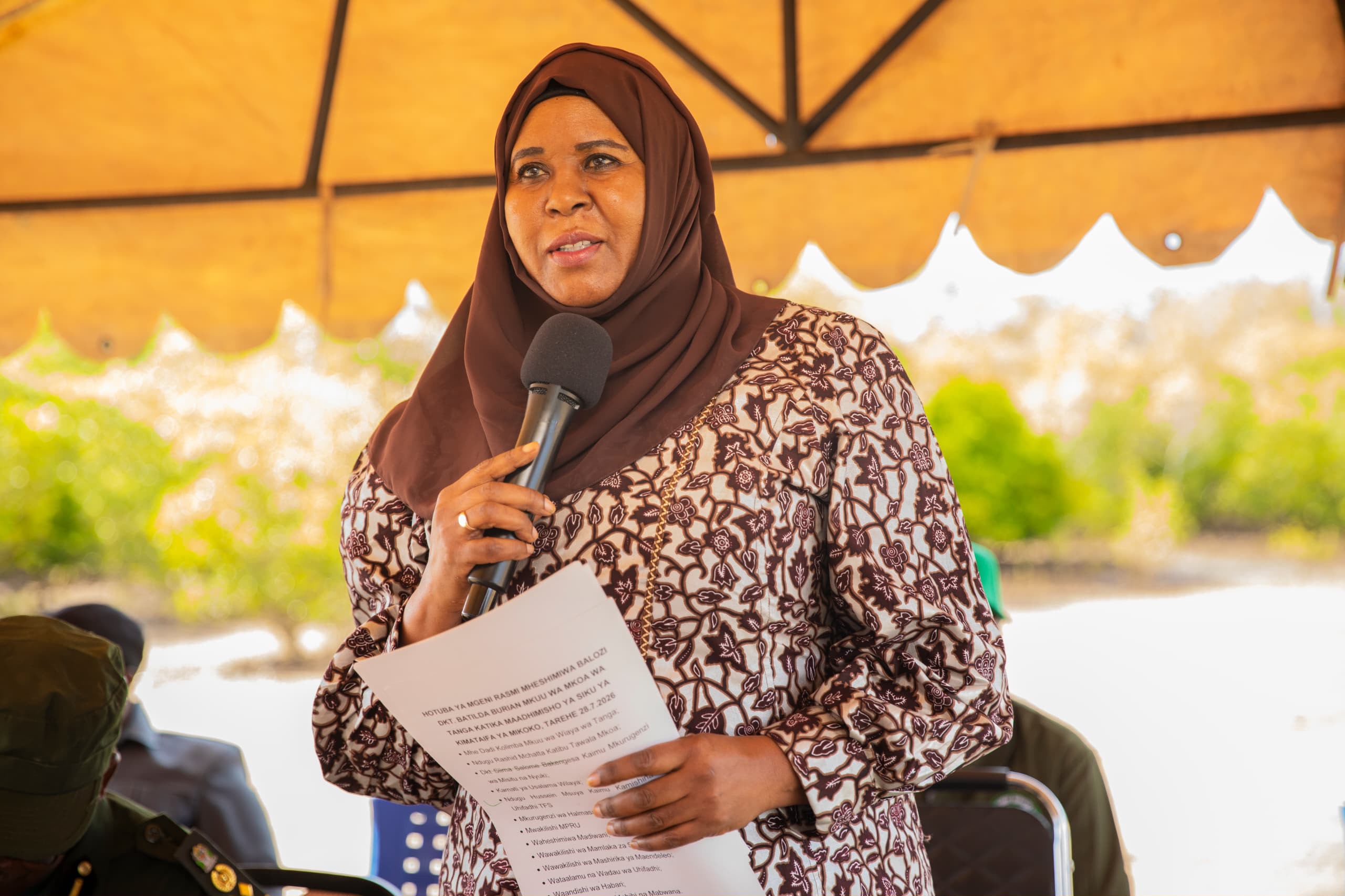
Ambassador Buriani revealed the unfriendly environmental tendency in her remarks during celebrations to mark the International Day for the Conservation of the Mangrove Ecosystem at Donge Mnyanjani in Tanga region.
She insisted that mangrove forests are a vital pillar of the blue economy, supporting fisheries, beekeeping, ecotourism and agriculture while protecting coastlines from erosion, storm surges and the impacts of climate change.
She called on communities to actively enforce conservation laws and safeguard the country’s mangrove resources.
“Protecting mangroves means protecting people’s lives and the countless species that depend on them. These forests are a critical natural barrier against coastal erosion and strong ocean waves,” she said.
She observed that despite their immense ecological and economic value, mangrove forests continue to face growing threats from illegal harvesting, environmental pollution, unplanned coastal development and increasing human activities.
She noted that serious conservation and restoration of mangrove forests require the active intervention of local communities, the private sector and development partners to rehabilitate degraded ecosystems and ensure their sustainable use.
Moreover, the Regional Commissioner hailed the Tanzania Forest Services Agency (TFS) for integrating conservation with tourism through the Sahare Mangrove Boardwalk.
She said the useful initiative has enhanced the value of mangrove reserves, expanded ecotourism opportunities and created economic benefits for surrounding communities.
“Over the past three years, TFS has worked in sync with various stakeholders to restored at least 1,537.74 hectares of degraded mangrove forests in the Tanga Region by planting 48,815,409 mangrove seedlings,” she detailed.
She urged residents to support these efforts to safeguard the resource for future generations.
For his part, Senior Assistant Conservation Commissioner and TFS Beekeeping Resources Manager, Hussein Msuya, said Tanzania’s 158,100 hectares of mangrove forests continue to play a crucial role in elevating the Tanzania’s blue economy through fisheries, beekeeping and nature-based tourism.
Msuya informed that TFS remains committed to advance the management, protection and ecological restoration of mangrove ecosystems to ensure their long-term environmental and economic benefits.
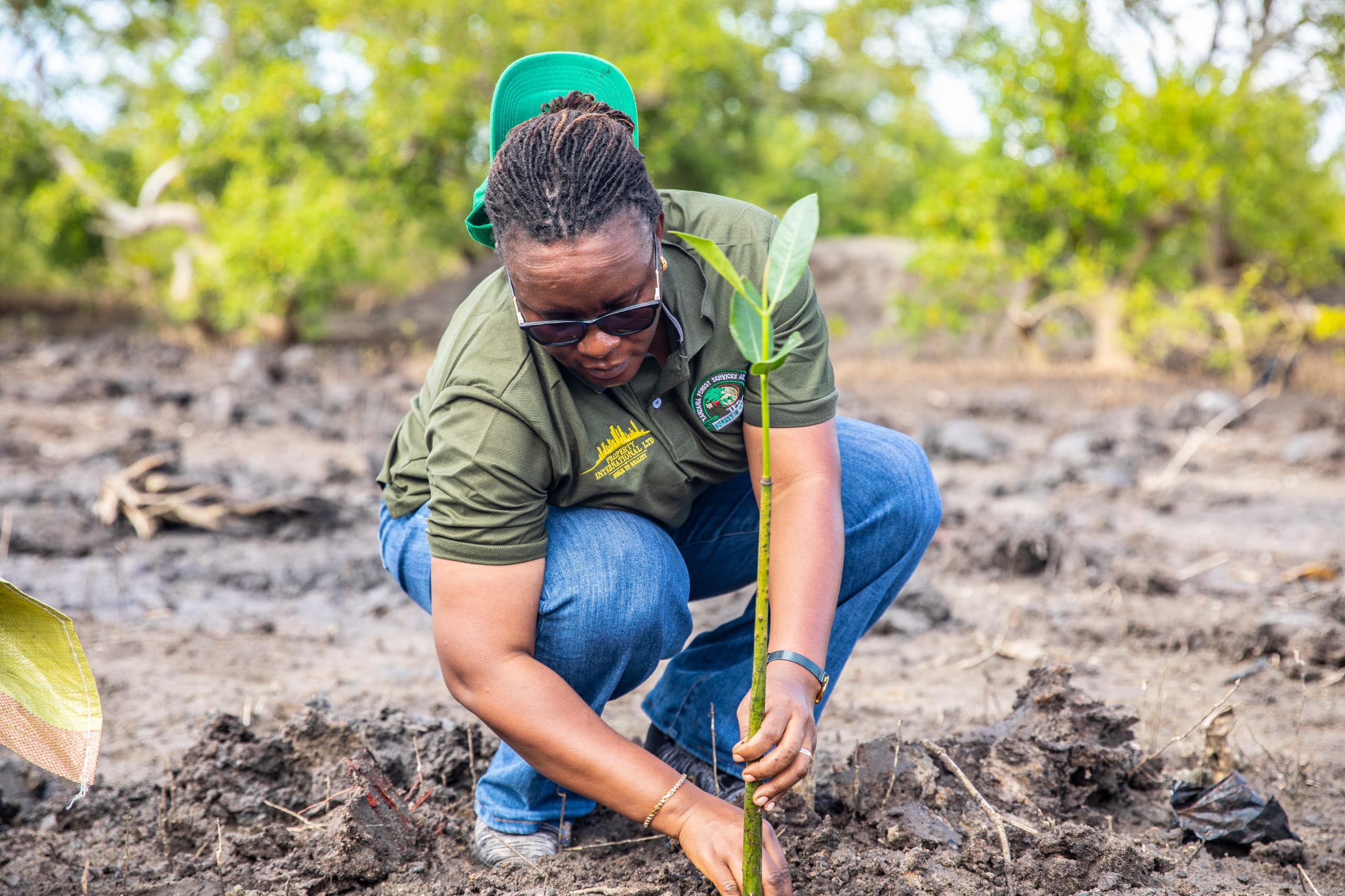
The event went in tandem with a special planting of 5,000 mangrove seedlings across one hectare as part of ongoing restoration efforts.