



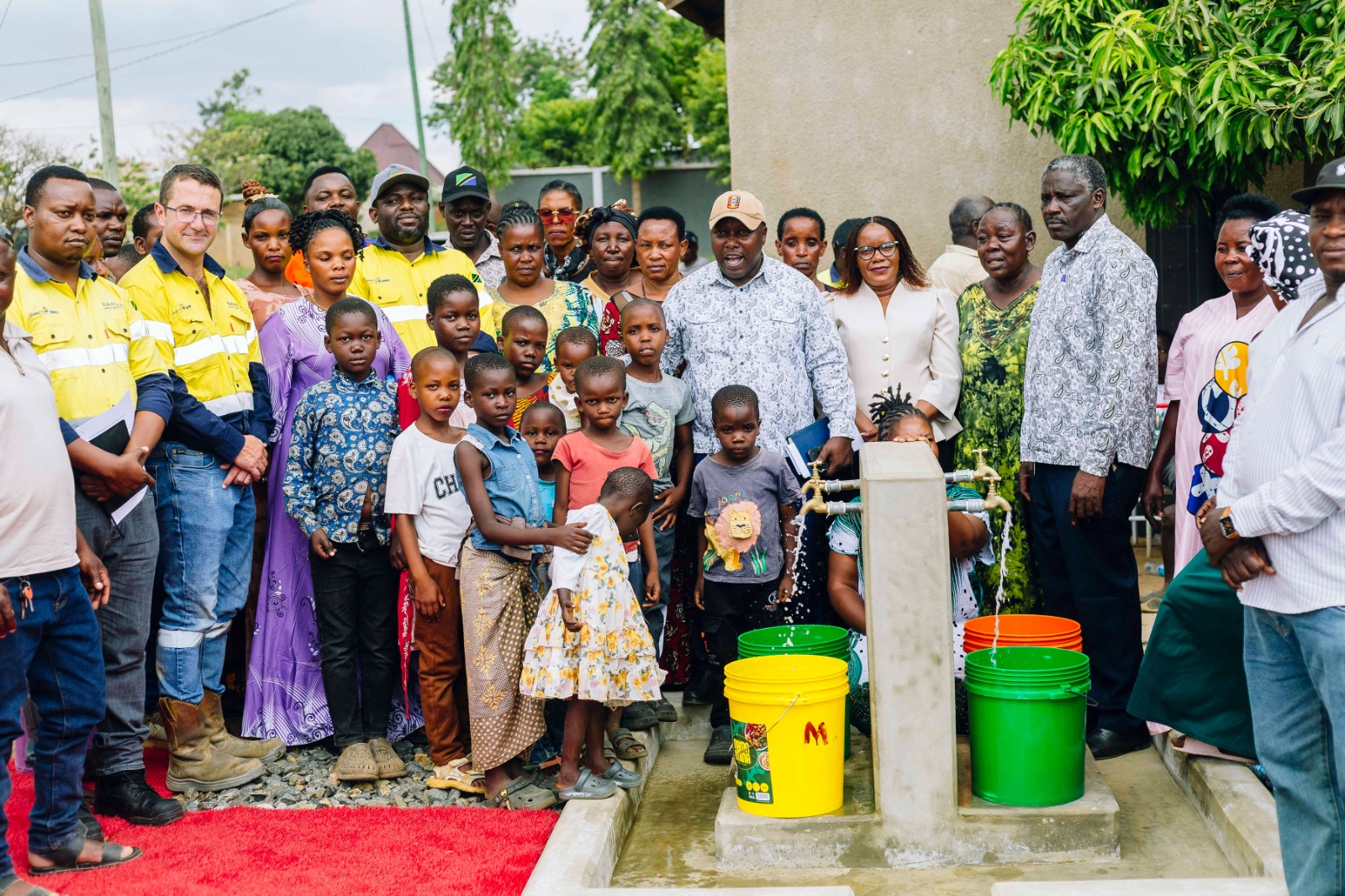
THE Barrick North Mara Mine has officially handed over the second phase of a water supply expansion project aimed at providing access to clean and safe water to more than 125,500 residents in Kewanja Village and surrounding areas near the mine.
The project was implemented through Corporate Social Responsibility (CSR) funding amounting to 2.665bn/- for the expansion of the Nyamongo water source in Tarime District Council.
The source is located within the mine’s area and was initially designed to serve 27,742 residents in Nyangoto, Matongo, Mjini Kati and Nyabichune villages.
Due to increased demand for water in other villages surrounding the mine, the water source was redesigned to serve 125,566 residents in six additional villages of Genkuru, Nyamwaga, Nyakunguru, Kerende, Msege and Komarera.
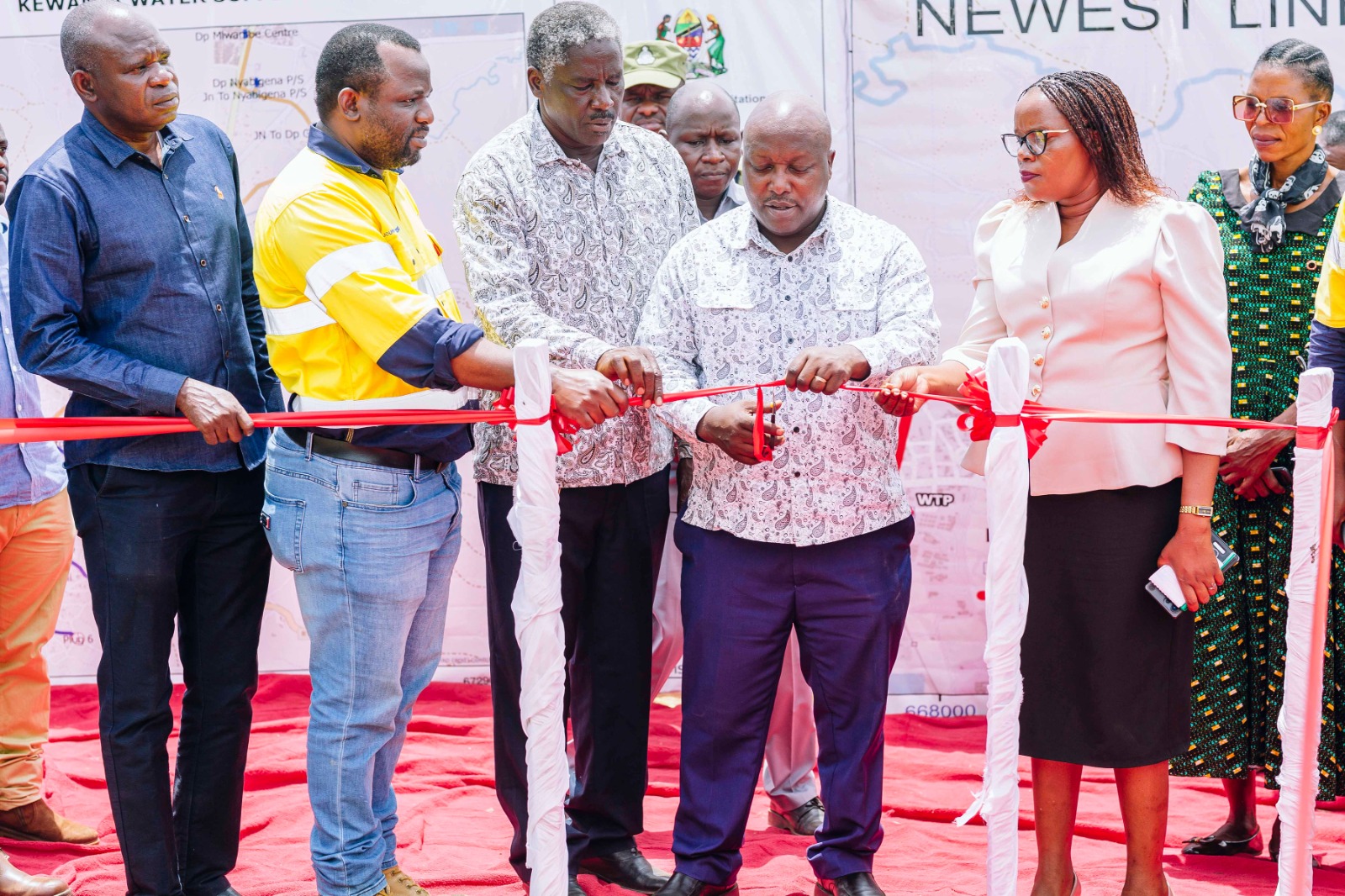
Speaking during the handover ceremony held at the weekend, Barrick North Mara Mine General Manager, Apolinary Lyambiko, said the completed and handed-over second phase of the project comprises 5.5 kilometres of main water transmission pipelines and 8.6 kilometres of distribution network.
He added that the implementation of the project was an important step towards improving access to clean and safe water for residents in the 11 villages surrounding the mine.
“For Barrick North Mara Mine, water is more than a service; it is an essential resource that touches the lives, health, economy and well-being of the people. We are proud to be part of the government’s efforts to ensure that people have access to clean and safe water,” Lyambiko said.
He observed that since 2019, Barrick North Mara had been allocating an average of 4bn/- annually to implement various community development projects, including water, education, health, rehabilitation of road infrastructure, environmental conservation and economic empowerment, particularly for young people.
Earlier, the Tarime District Manager of the Rural Water Supply and Sanitation Agency (RUWASA), Engineer Leo Respicius, said water from the project had been scientifically tested and confirmed to be clean and safe for human consumption.
“The completion of this project is another testimony of how Barrick North Mara is fulfilling its commitment to being a development partner to the communities surrounding the mine and Tarime District as a whole,” he said.
For his part, Tarime District Commissioner Major Edward Gowele thanked Barrick North Mara for continuing to support the implementation of community development projects through its Corporate Social Responsibility (CSR) policy and programmes.
“We are delighted to launch this water project here. I congratulate and thank Barrick for the way it is working together with the government to implement community projects through its CSR programme,” he said.
Major Gowele said the implementation of such projects was in line with the directives of the President of Tanzania, Dr Samia Suluhu Hassan.
“President Samia wants water services to reach every corner of the country,” he stressed.
He urged residents of Kewanja Village to take good care of the project to ensure its sustainability for their benefit and that of future generations.
Major Gowele also called on residents living around North Mara Mine to continue supporting the mine so that they could continue enjoying and benefiting more from the investment.
Maria Polycarp, a mother of three and a resident of Nyamongo Village, said the completion of the project had brought great joy and relief after years of struggling to access water.
She said that since she was a young girl, she had been accustomed to waking up at dawn to walk long distances in search of water from standpipes, which had become part of her daily routine. She said the challenge had affected her and other villagers for many years.
However, she said she was now extremely happy because the water problem had been effectively addressed. According to her, Barrick North Mara had enabled residents to access clean and safe water through the project, which now serves 11 villages, making the long-standing water shortage a thing of the past.
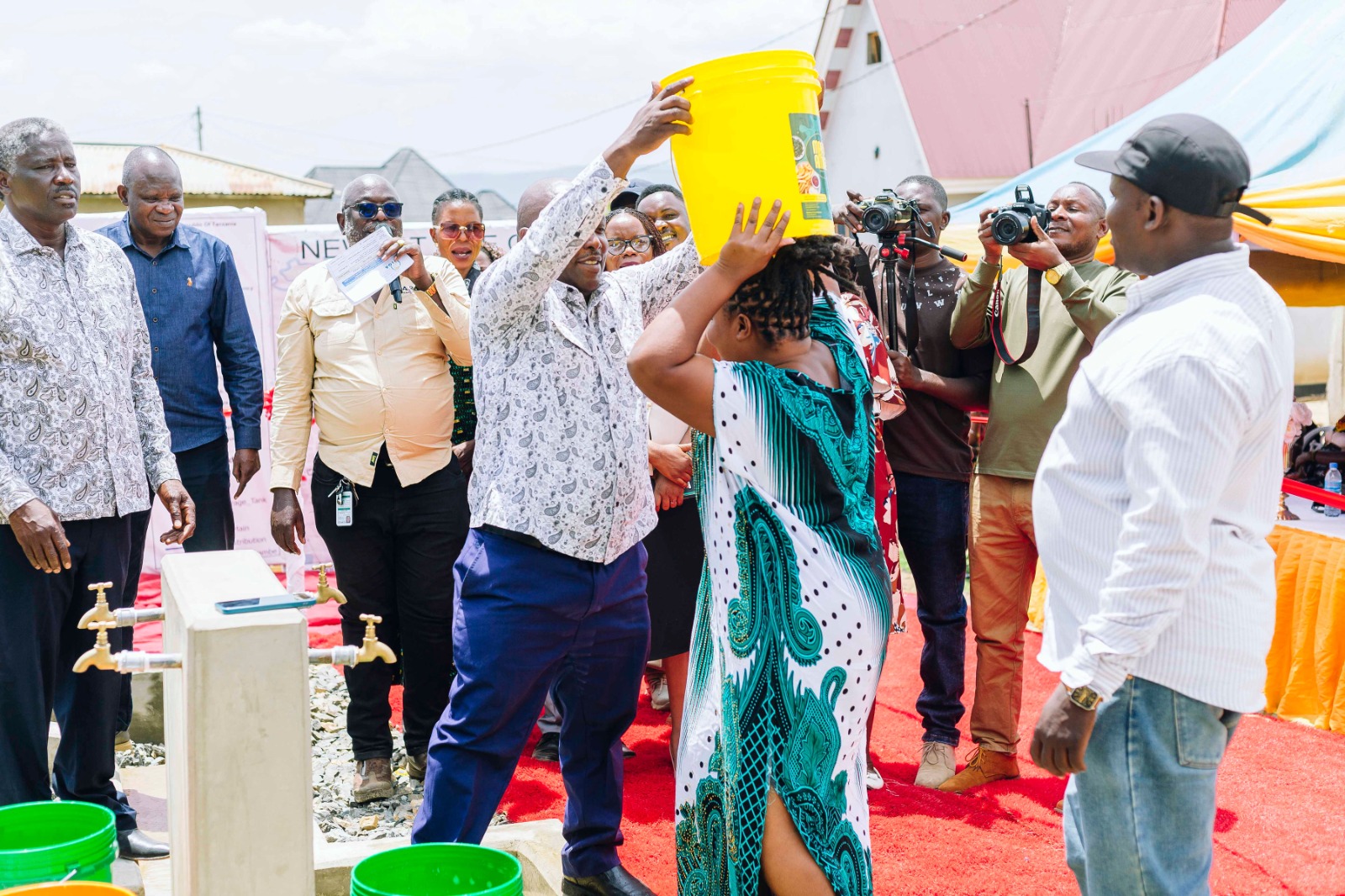
“We used to suffer because of the water shortage, but now we will save time and use it for other economic activities. We thank Barrick North Mara for bringing clean water to our homes here in Nyamongo and to other villages surrounding the mine,” Maria said with a smile.
Meanwhile, Kemambo Ward Councillor Rashid Bogomba, where Kewanja Village is located, urged residents to continue cooperating with Barrick North Mara and strengthen their good relations with the mine.
“We could have waited for something like this [the water project] for many years, but today we have received it easily through Barrick North Mara Mine. Let us continue supporting the people of Barrick, and this will help us greatly,” said Bogomba, who is also Chairman of the Barrick North Mara Community Development Committee (CDC).
Leaders from the Tarime District Council also expressed their satisfaction with the water project and other projects being implemented by the mine through its CSR programme.
“We are very pleased with this project and recognise the good work being done by Barrick. As a council, we will continue to provide them with our full cooperation,” said the council’s Vice-Chairperson, Juster Magabe.
Residents and other community leaders who attended the ceremony said the project would save them from the burden of walking long distances in search of water from unreliable and unsafe sources.
Bringing water closer to people’s homes will particularly reduce the burden on women who previously had to walk long distances to fetch water, giving them more time to engage in productive activities and contribute to the growth of household incomes.