



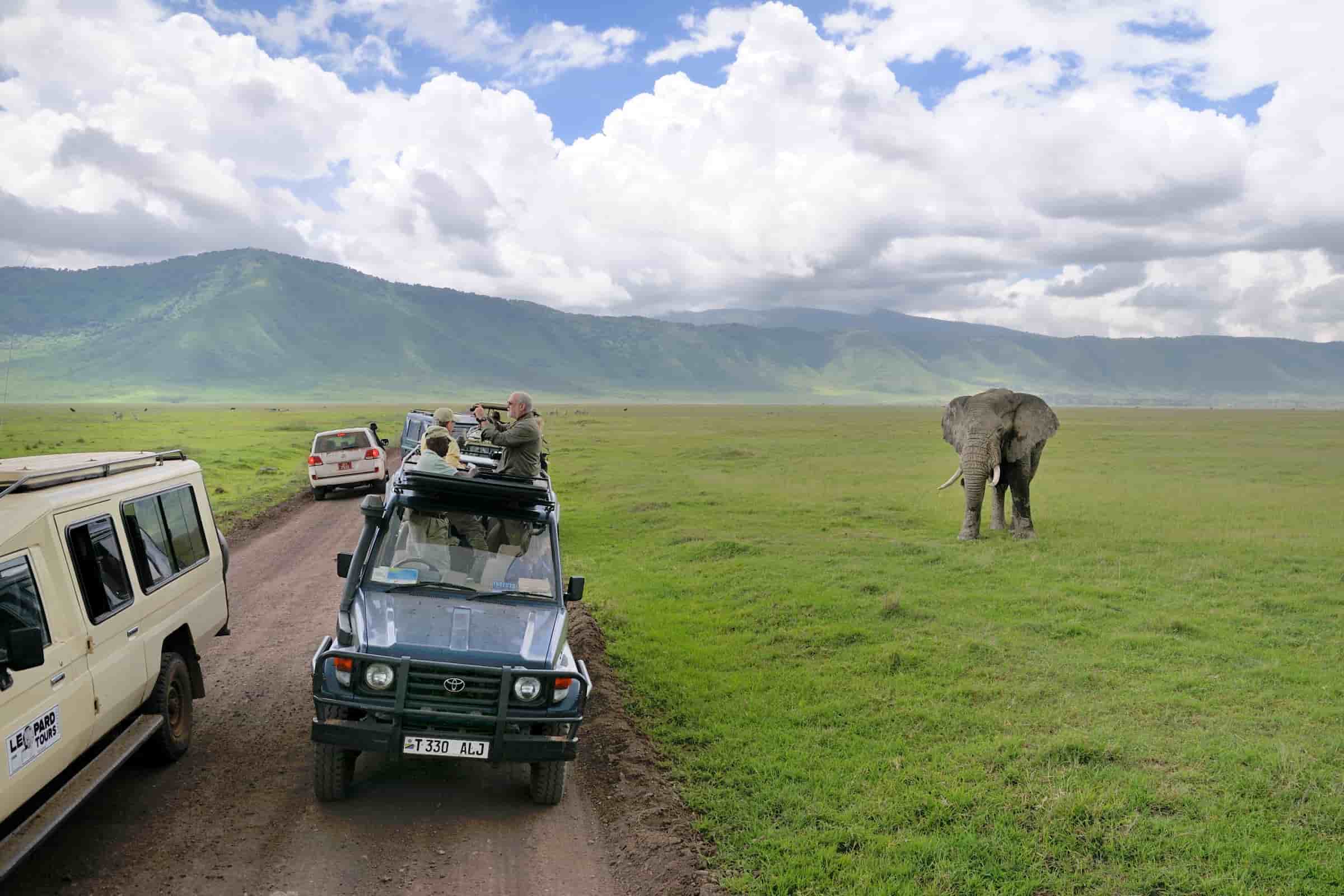
BUSAN, Republic of Korea: Tanzania has unveiled a comprehensive package of conservation and community development measures aimed at safeguarding the Ngorongoro Conservation Area’s UNESCO World Heritage status, while ensuring that local communities benefit from sustainable development.
The government’s commitment was presented during a special seminar hosted by Tanzania on the sidelines of the 48th Session of the UNESCO World Heritage Committee, currently taking place in Busan, Republic of Korea.
The high-level event brought together ambassadors and representatives from 36 countries, traditional leaders, officials from international organisations, non-governmental organisations, conservation experts and other stakeholders involved in global heritage conservation.
Addressing the seminar, Tanzania’s Ambassador to France and Permanent Delegate to UNESCO, Mr. Saidi Yakubu, said the country’s conservation strategy is anchored on transparency, constructive dialogue and strong collaboration with local communities and international partners.
He said Tanzania is working closely with UNESCO, the International Union for Conservation of Nature (IUCN), the International Council on Monuments and Sites (ICOMOS) and other development partners to strengthen the protection and management of the Ngorongoro Conservation Area while improving the livelihoods of people living within and around the conservation area.
As part of these efforts, Ambassador Yakubu announced that Tanzania has formally invited UNESCO and its Advisory Bodies—IUCN and ICOMOS—to undertake a Reactive Monitoring Mission to the Ngorongoro Conservation Area.
The mission is expected to provide an independent assessment of the site’s conservation status and support ongoing efforts to enhance its management.
The seminar also featured presentations by the Executive Secretary of the Tanzania National Commission for UNESCO (NATCOM), Prof. Malebo, and the Commissioner of the Ngorongoro Conservation Area Authority (NCAA), who also coordinated the event.
The presentations outlined the history and Outstanding Universal Value of the Ngorongoro Conservation Area, the conservation challenges facing the site and the measures the Government is implementing to ensure environmental protection is balanced with the socio-economic development of local communities.
Tanzania reaffirmed its commitment to working closely with UNESCO and other international partners to preserve one of the world’s most significant natural and cultural heritage sites for future generations while promoting inclusive and sustainable development.