



REST Project Drives Transformation Of Youth NGOs As DSW Calls For Diverse Funding Sources

ARUSHA: A dwindling trend in funding for key community empowerment initiatives across Tanzania appears to be undermining the ability of many non-governmental organisations (NGOs) operating in the country to achieve their targets and ensure sustainability after their respective interventions come to an end.
In Tanzania, NGOs are playing a leading role in complementing government efforts to expand access to essential social services for communities, particularly through initiatives aimed at empowering young people.
One of the major challenges has been resource mobilisation, including the limited capacity of many local NGOs to develop project proposals, collaborate with the government, and mobilise both financial and material resources to reach communities.
To address this challenge, DSW Tanzania, an organisation dedicated to promoting the health and development of young people in the country, is working to build the capacity of youth-led institutions, particularly in mobilising resources from diverse sources through a strategy known as “Diversification of Funding”.
The strategy, being implemented through the Reproductive Equity Strategy in Tanzania (REST) project, focuses on ensuring that youth-focused initiatives secure adequate funding to achieve their key youth empowerment targets while maintaining long-term sustainability.
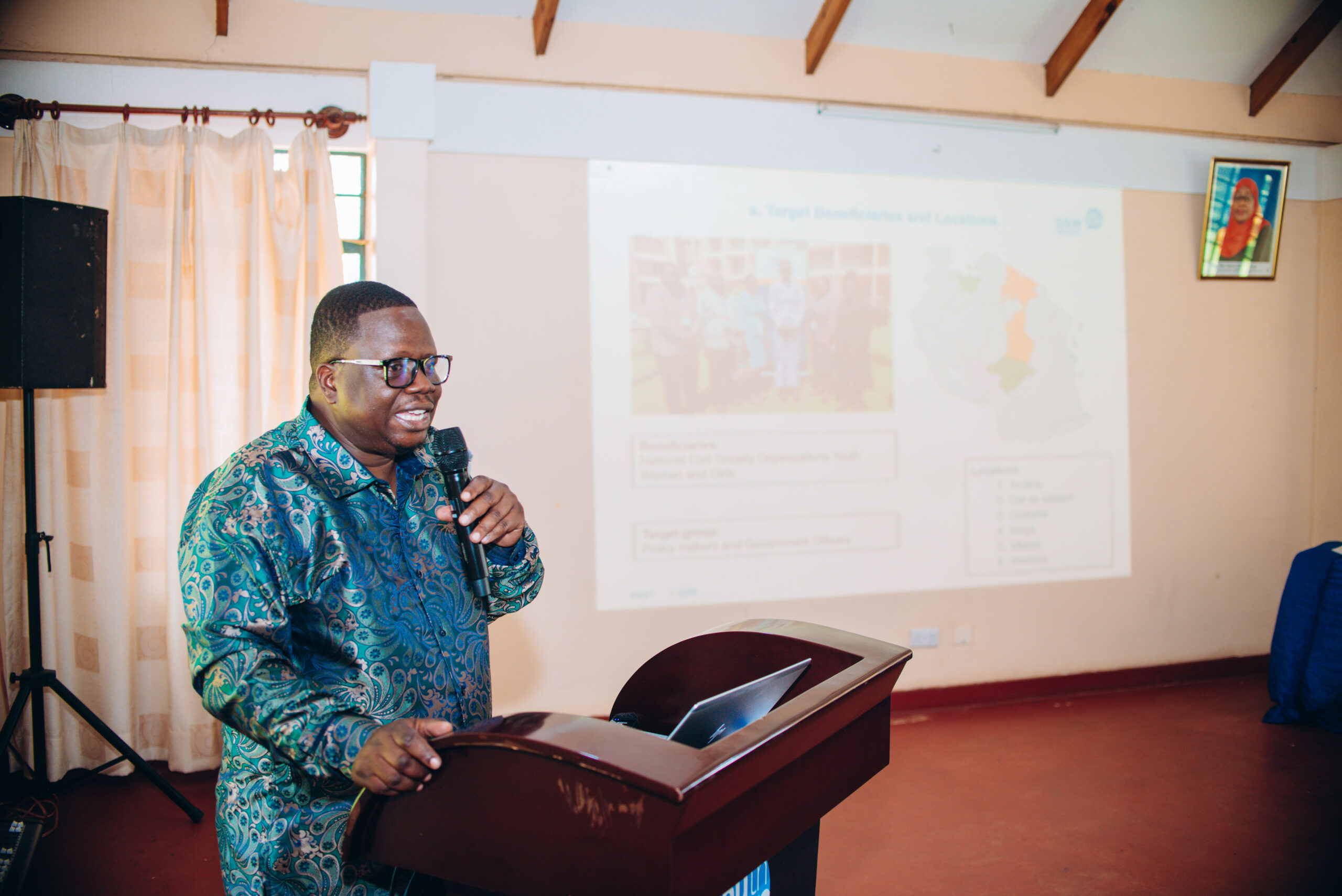
DSW Tanzania Country Director, Mr Peter Owaga, said the three-year project (2024–2027) had so far transformed the performance of institutions involved in its implementation, enabling them to achieve their targeted community outreach goals.
“Under the REST project, much of our work has focused on strengthening NGO systems, particularly governance, financial management, project implementation, strategic planning and resource mobilisation to support institutional operations,” he said.
He said the project was aimed at strengthening NGOs’ institutional systems and programmes to support responsive health ecosystems.
Throughout the project, DSW has been conducting initial assessments of participating organisations to identify areas requiring capacity-building support.
“This has helped us examine the services they provide and how they could bring about positive change in their communities,” he explained.
So far, the project has brought significant changes to the institutions involved in its implementation.
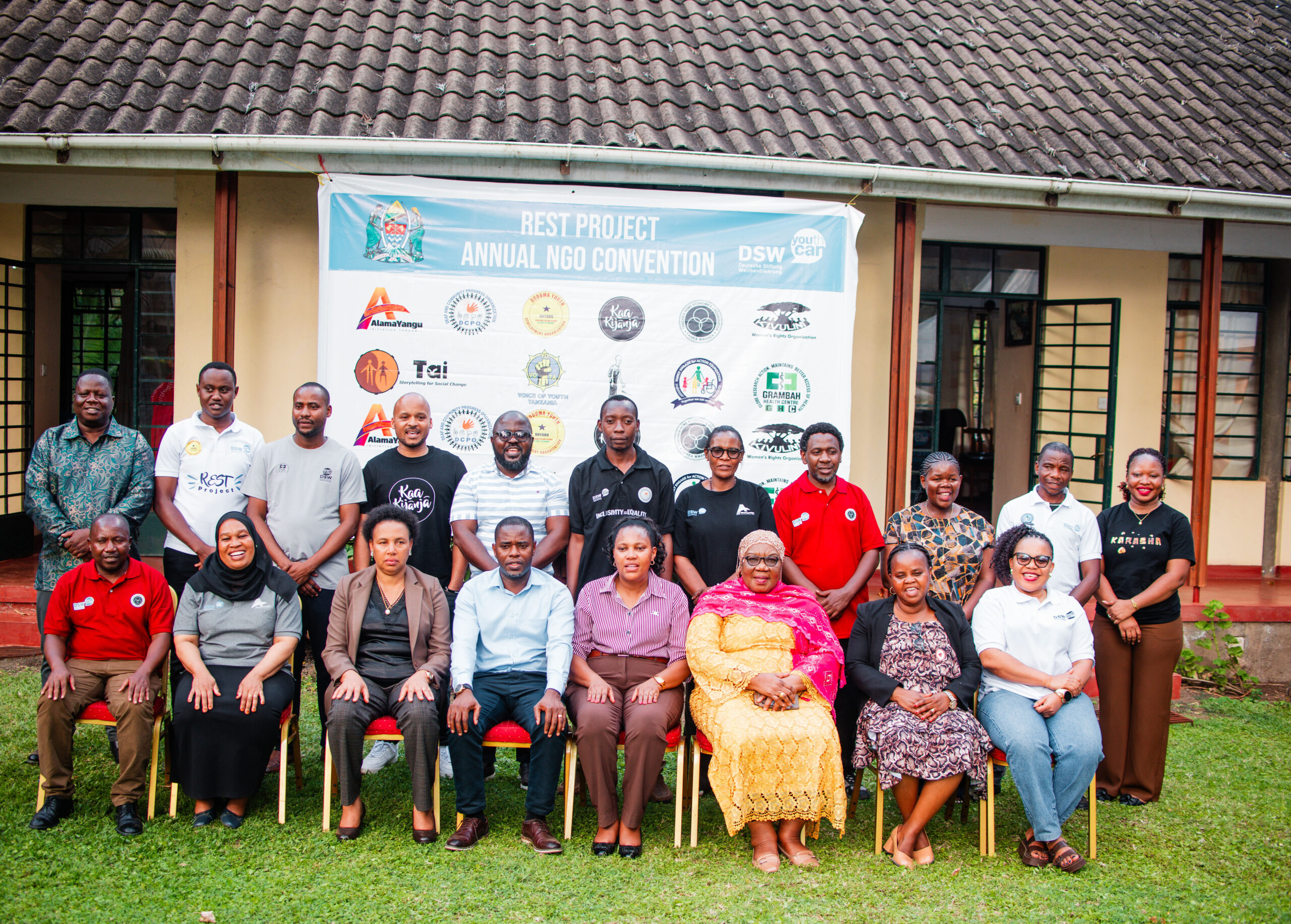
Owaga outlined the achievements during a special event held as part of the REST Project Annual NGO Convention on October 21, 2026, in the Arusha Region. The event attracted the project’s implementing NGOs, government officials, civil society organisations, decision-makers, policymakers, religious leaders, journalists, healthcare providers and representatives of legal institutions.
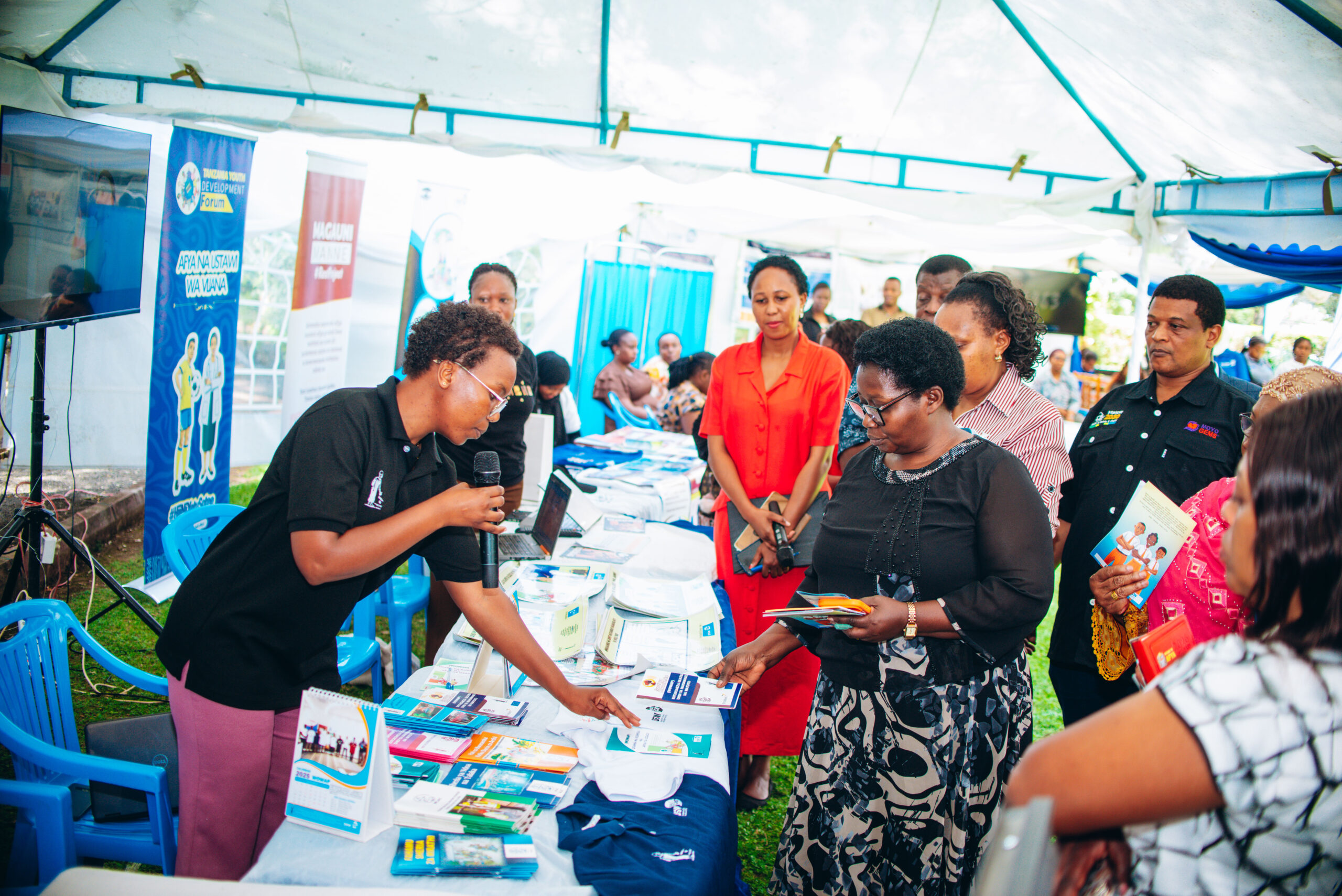
The institutions in attendance were Kivuli Women Rights Organisation, Grambah Health Charity Organisation, Kaa Kijanja, Voice of Youth Tanzania (VOYOTA), Dodoma Youth Development Organisation (DOYODO), Family Engage for Action Foundation (FAEAF), Women Wake Up (WOWAP), Alama Yangu Initiative Tanzania, Tanzania Home Economics Organization (TAHEA) and TAI Tanzania.
Some of the organisations were merely informal youth groups when the project began, but they have since developed into fully established institutions with sound systems, effective leadership and the capacity to deliver positive results in their communities through various programmes.
At the project’s launch, DSW also found that some of its partner organisations had limited financial resources.
“However, through the small grants provided under the project, the institutions have been able to implement successful activities and build their reputation and credibility among other stakeholders, development partners and the government,” he added.
As a result, he said, some organisations that initially had only one project were now implementing four projects aimed at supporting their communities.
The director underscored the importance of cooperation in project implementation, saying, “By working together in project implementation and sharing experiences, organisations can expand their reach and serve a wider section of the community. This is one of the key achievements of the REST project.”
Improved staff retention within participating organisations was another milestone achieved through the REST project.
Before the project, many of the institutions relied heavily on volunteers, who frequently left and had to be replaced by others.
“For an organisation to establish a strong identity and achieve lasting impact, it must have a clear vision and sustainable plans. That is why we focused on empowering them in these key areas,” he stressed.
Through the interventions implemented under the project, many individuals who joined the DSW-REST initiative have become experienced staff members with the skills and capacity to manage projects effectively, while institutional leadership has also improved significantly.
Overdependence on a single donor is another challenge that has hampered the operations of many NGOs.
“When funding from that donor ends, an organisation risks discontinuing its activities due to a lack of alternative resources,” Owaga said.
To address this challenge, the REST project has provided participating organisations with practical training on how to mobilise resources from diverse sources.
Over 15,000 People Impacted By The REST Project
Designed to support women, young people and girls in accessing and utilising health services, including sexual and reproductive health services, the REST project has so far reached a total of 15,000 targeted beneficiaries.

The project, which is being implemented in Mwanza, Arusha, Dodoma, Dar es Salaam, Iringa and Mbeya regions, also focuses on combating gender-based violence to improve beneficiaries’ well-being and enable them to achieve their life aspirations and goals.
Ms Shamsa Khalfan, Senior Advocacy and Communications Coordinator at DSW Tanzania, said the initiative also aimed to strengthen networks of local stakeholders in promoting policies and health systems that address the needs of women, girls and young people.
“Another objective is to promote positive attitudes towards health and the prevention of gender-based violence in order to improve sexual and reproductive health policies and programmes,” she said.
She said the project had expanded opportunities for young women and men to become empowered to achieve their goals, including accessing sexual and reproductive health services.
“Through the project, young people receive essential information to help them address challenges such as gender-based violence and teenage pregnancies, enabling them to overcome these obstacles and achieve their life aspirations,” she stressed.
Government Hails DSW For Implementing Project Supporting Key National Youth Agendas
Ms Emidaeli Kamugisha, Director of Parenting and Family Affairs in the Ministry of Community Development, Gender, Women and Special Groups, officiated at the REST project’s annual review meeting.
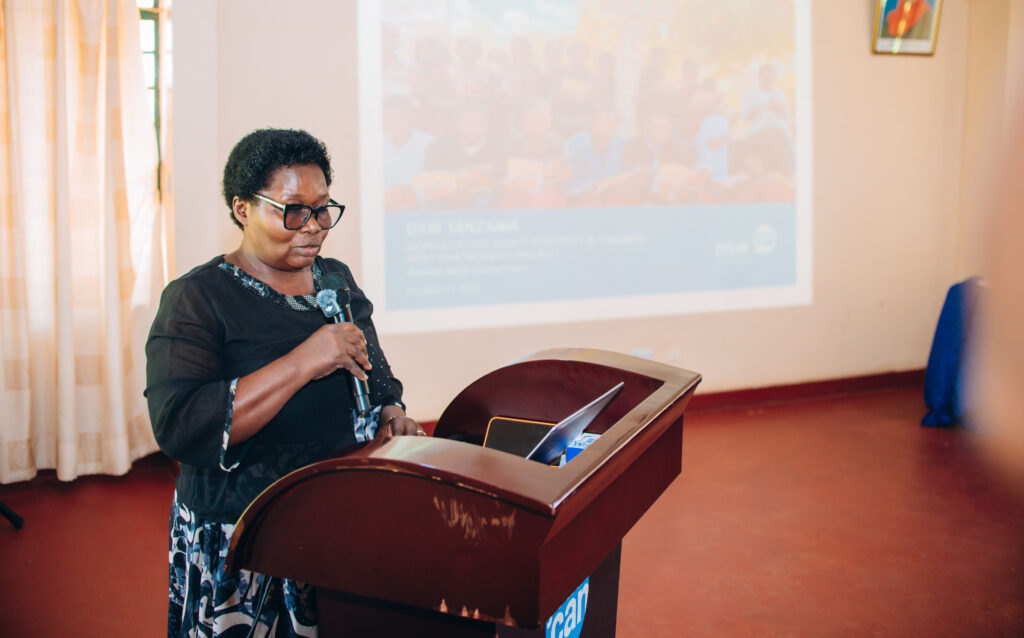
In her remarks, she commended DSW Tanzania for collaborating with the government in designing and implementing various projects that directly contribute to improving the lives of adolescents in the country.
She said the implementation of these projects had become an important part of the country’s efforts to address challenges facing adolescents and enable them to transition into adulthood as productive members of their families and the nation at large.
“The Ministry was mandated to coordinate the National Adolescent and Youth Health and Well-being Agenda (NAIA-AHW) for four years, from April 2021 to June 2025.
In implementing the NAIA agenda, the Ministry worked closely with sectoral ministries, government institutions, UN agencies, non-governmental organisations (NGOs), civil society organisations, faith-based organisations and the private sector.
“The government is pleased that projects implemented by DSW Tanzania in collaboration with its partners, including the Reproductive Equity Strategy in Tanzania (REST) project, have made a significant contribution to implementing the NAIA agenda.”
She expressed appreciation to DSW Tanzania for its achievements in promoting gender equality, improving adolescents’ access to reproductive health information and services, strengthening the capacity of project organisations, and increasing young people’s participation in key issues affecting them.
She emphasised the importance of strengthening collaboration among families, religious leaders, traditional leaders, communities, private-sector players and other stakeholders to empower adolescents and create a safe environment in which they can make informed decisions and pursue their dreams.
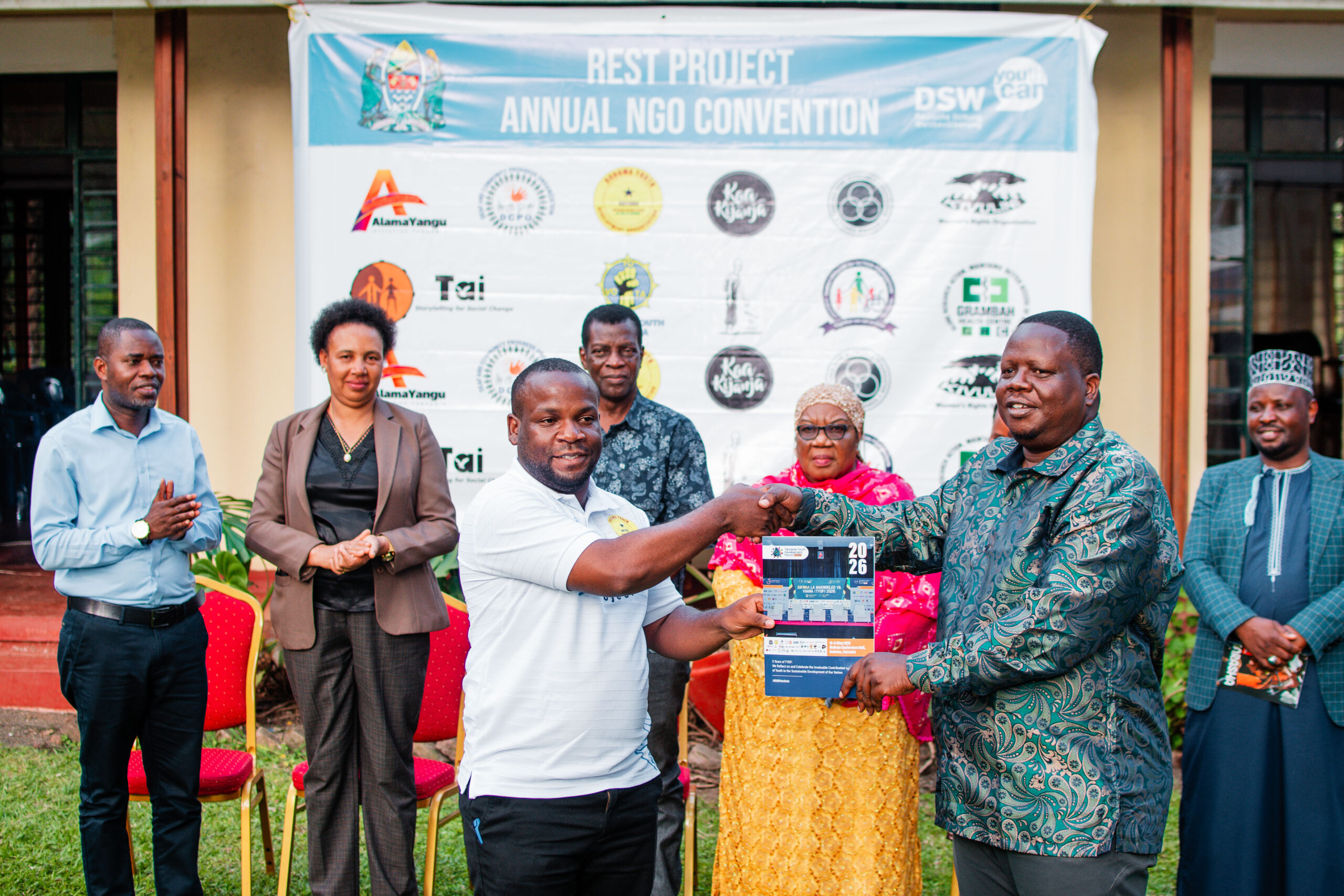
NGO Leaders Testify To the Impact Of DSW’s REST Project On Their Organisations
Ms Lilian Mungure, Project Manager of the REST project at Voice of Youth Tanzania (VOYOTA), said the DSW initiative had enabled her organisation to acquire essential leadership and organisational management skills.
“Through the REST project, DSW has equipped VOYOTA’s leaders and other staff with vital knowledge and skills in project leadership and organisational management, enabling them to work towards achieving the ambitious outcomes set for the targeted communities,” she said.
With the project working to combat female genital mutilation (FGM) and gender-based violence in three wards inhabited by pastoralist communities in Monduli District, Arusha Region, she said significant progress had been made towards achieving its intended outcomes.
“Through this project, service providers have received essential training on how to deliver youth-friendly services. The initiative has also empowered youth champions involved in the project to work collaboratively with their counterparts in pastoralist communities, particularly in raising awareness,” she said.
She noted that the capacity-building interventions had begun yielding positive results.
“For example, before the project was launched, the prevalence of female genital mutilation in Monduli District stood at 49 per cent. However, through the implementation of this project, the practice has declined to 44 per cent,” she said.
Moreover, she noted that sustained awareness-raising efforts had enabled clan leaders in the district to understand the harmful effects of female genital mutilation and agree to discourage the practice, a development that had also contributed significantly to reducing gender-based violence.