



Government Urged To Prioritise Health Insurance Coverage For Children With Disabilities

By Friday Simbaya, Iringa
As the Government of Tanzania works to expand access to healthcare services across the country through various programmes, stakeholders in the sector are calling for children with disabilities to be prioritised.
They said it was essential for children with disabilities and orphans from economically disadvantaged families to be prioritised in health insurance programmes to ensure they could access essential healthcare services without experiencing financial hardship.
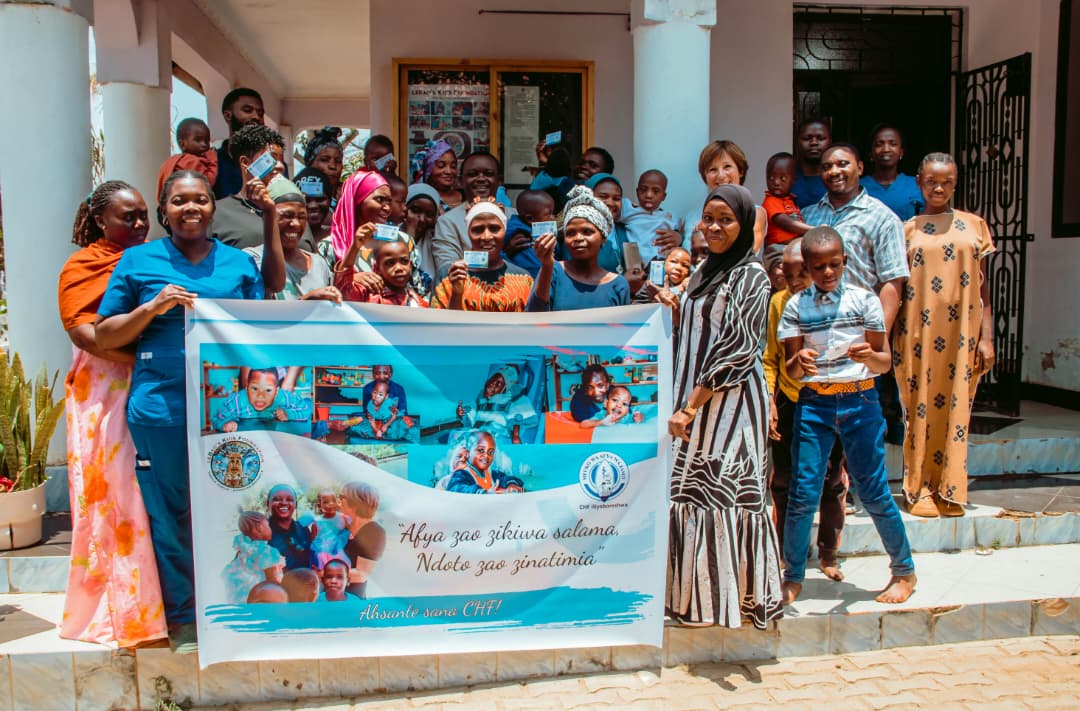
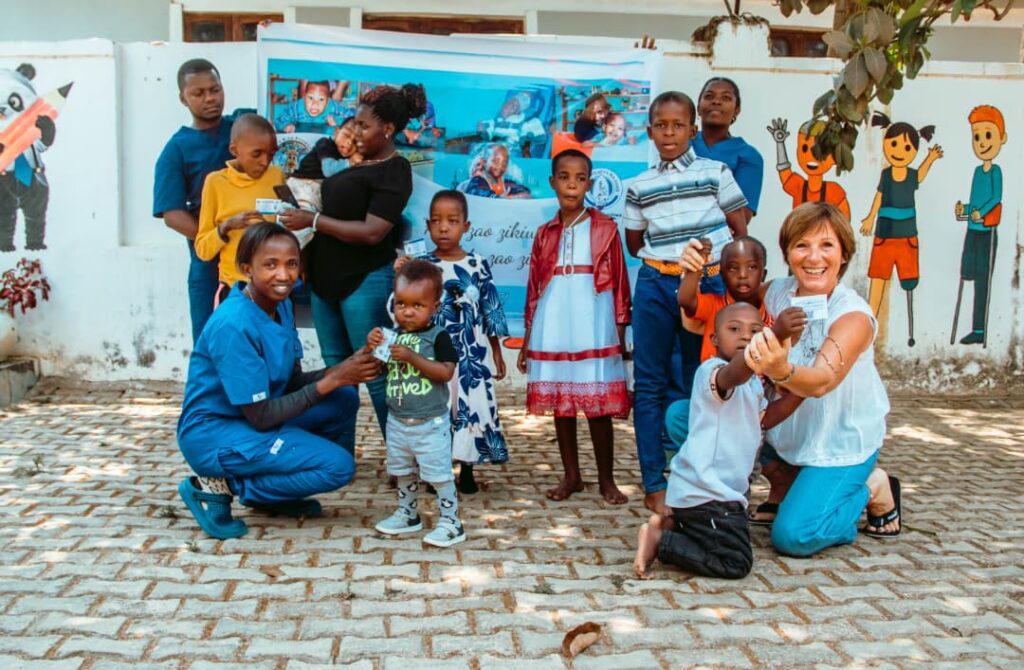
Lebao’s Kids Foundation (BKF) Director, Mr Teophil Muyinga, made the appeal during the distribution of health insurance coverage to children with disabilities supported by the foundation and orphans living at a children’s home in Migoli, Iringa Region.
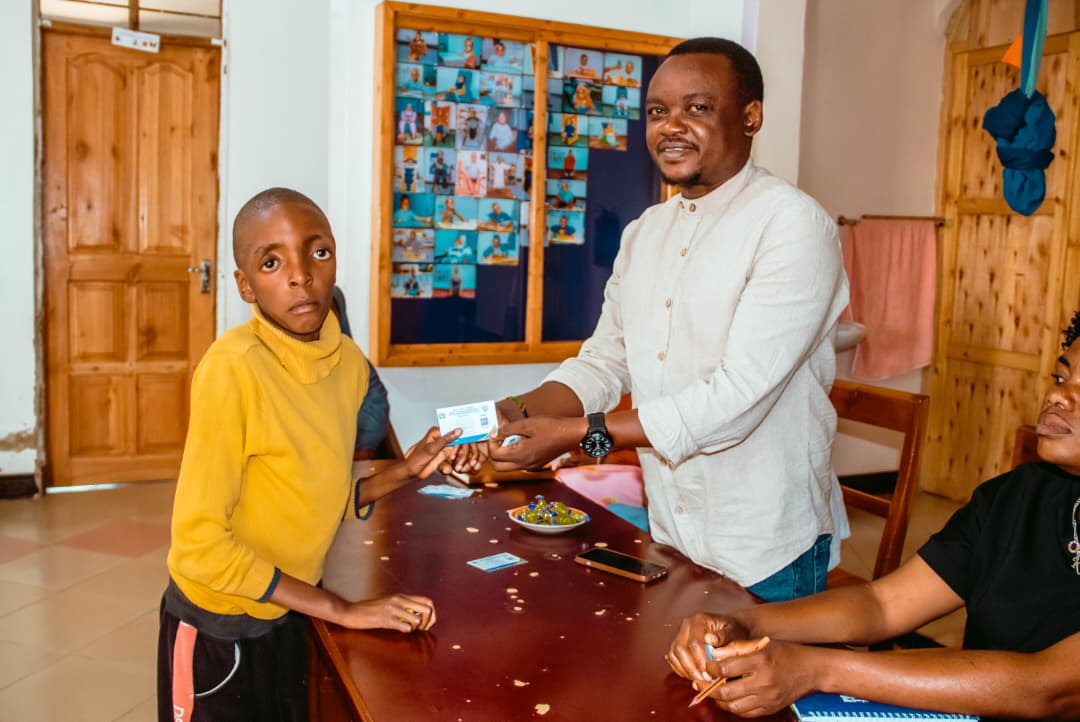
The exercise was organised by the foundation in collaboration with the Community Health Fund (CHF) to improve access to healthcare among vulnerable children.
Mr Muyinga said many families caring for these children faced significant economic challenges, making it difficult for them to meet medical expenses when illness occurred.
He said prioritising vulnerable children in health insurance programmes would help ensure that financial constraints did not prevent them from receiving necessary medical treatment.
The foundation’s Co-Director, Catherine Moreno, emphasised the need to strengthen support for vulnerable children, particularly by ensuring they had access to essential healthcare services.
Responding to the concerns, Iringa Municipal Community Health Fund Enrolment Officer, Kokwiliza Katemana, said the government had a responsibility to safeguard the health of its citizens, noting that children were among the groups requiring special attention in accessing healthcare.
Ms Katemana said the current phase of the health insurance programme placed greater emphasis on reaching special groups and economically disadvantaged households to ensure they also benefited from insurance coverage.
Meanwhile, the government has set a target of enrolling more than 13,000 households, comprising 31,170 beneficiaries, under the second phase of the Universal Health Insurance programme in Iringa Region.
District councils have been directed to closely monitor the registration exercise to ensure that all eligible households benefit from the programme.
Speaking during the launch of the second phase in Iringa, Regional Commissioner Kheri James said the government would continue working with various stakeholders to educate the public about the importance and benefits of health insurance.
He urged regional and district leaders to ensure the effective implementation of the programme, warning that he would not hesitate to take action against officials who failed to fulfil their responsibilities.
“After this launch, the work is not over. Ensure that wananchi are registered under the Universal Health Insurance programme so that it can reduce the burden of medical expenses on them,” Mr James said.
He emphasised that the success of the programme depended on continued registration and public awareness beyond the launch event.
Earlier, presenting a report on the National Health Insurance Fund (NHIF), Iringa Regional Manager Ms Agnes Chaki said the region was targeting 13,086 households during the second phase of the Universal Health Insurance programme.
The initiative is part of the government’s efforts to expand access to healthcare and reduce the financial burden on citizens seeking medical treatment.
The health insurance coverage distributed to vulnerable children is expected to ease healthcare costs for the beneficiaries and their families.