



Tanzania’s ambition to become a middle-income and semi-industrialized economy by 2050 places the fisheries sector at the centre of efforts to increase national income, create employment, strengthen food security and promote the sustainable use of the country’s aquatic resources.
The heart of this transformation are research, innovation and technology, with the Tanzania Fisheries Research Institute (TAFIRI) expected to play a strategic role in generating knowledge, providing reliable data and developing technologies capable of transforming the fisheries and marine resources sector.
The Tanzania Development Vision 2050 is anchored on three major development pillars: a strong, inclusive and competitive economy; human capacity and social development; and environmental conservation and climate change resilience.
These pillars provide a broad framework for transforming Tanzania’s economy while ensuring that economic growth is inclusive, environmentally sustainable and supported by a skilled and productive population.
Fisheries at the Centre of Economic Transformation
Under the first pillar, Vision 2050 seeks to establish a diversified, inclusive and globally competitive economy driven by domestic resources, sound policies, effective regulatory systems, entrepreneurship and investment.
The vision comes at a time when Tanzania’s economy has recorded an average annual growth rate of about 6.2% over the past two decades. By 2050, the country seeks to strengthen this growth through increased productivity, investment and efficient utilisation of its abundant natural resources. The fisheries sector is one area with significant potential to contribute to this ambition.
According to TAFIRI Director General, Dr. Ismael Kimirei, as research institution, TAFIRI have an important responsibility to support the transformation of the fisheries sector through research, innovation and modern technology.
He said research should help to increase productivity, improve incomes among fisheries stakeholders and strengthen the sector’s contribution to the national economy, while supporting the development of Tanzania’s Blue Economy.
Vision 2050 targets an increase in the fisheries sector’s contribution to Gross Domestic Product (GDP) from an average of about 1.7 per cent to more than three percent by 2050.
Achieving this target will require substantial investment in scientific research, modern fishing technologies, innovations, aquaculture, value addition and the efficient management of aquatic resources.
Research as a Driver of Fisheries Growth
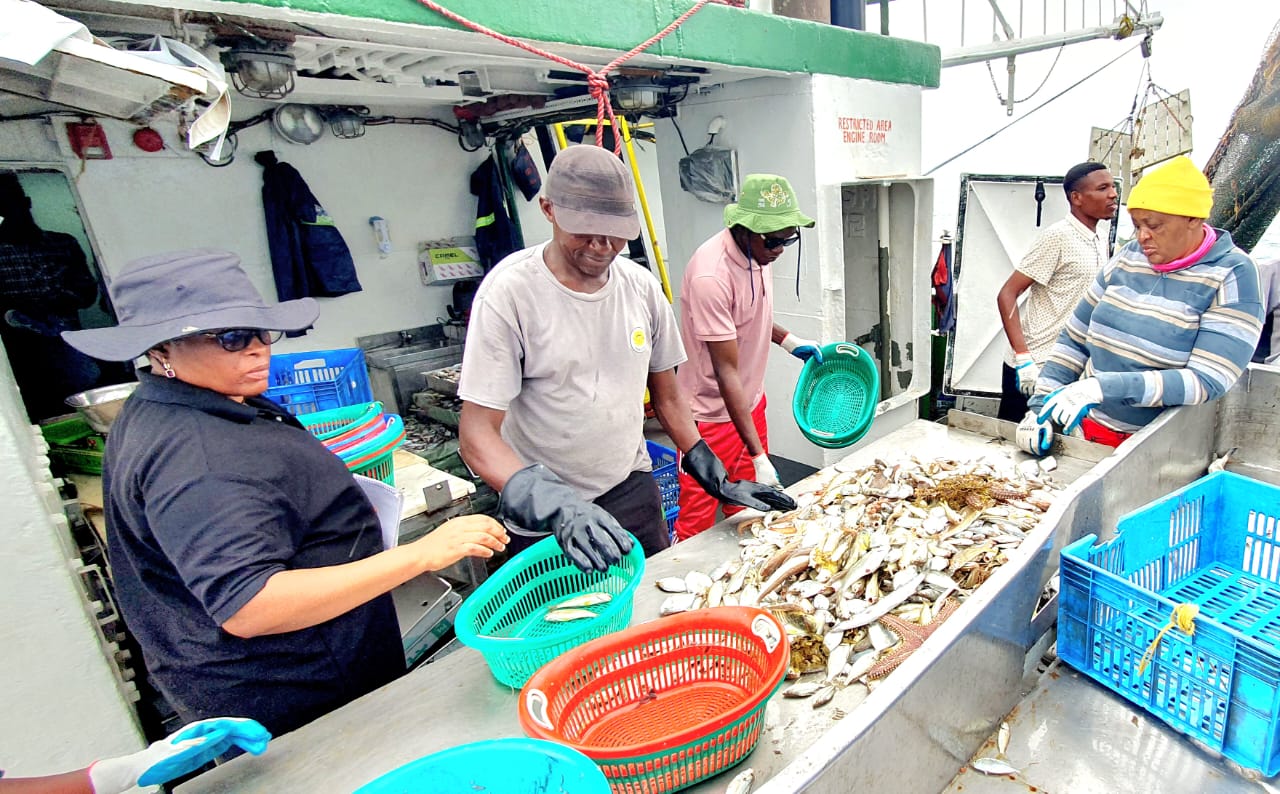
The Tanzania Fisheries Research Institute (TAFIRI) is expected to strengthen research aimed at understanding Tanzania’s aquatic resources and ensuring their sustainable utilisation. This includes comprehensive assessments of fish stocks and other aquatic resources, evaluation of fish breeding grounds and the development of improved aquaculture technologies.
Research will also be important in promoting value addition and the processing of fisheries products, enabling Tanzania to move beyond the production and sale of raw fish and develop a stronger and more competitive fisheries value chain. Such transformation has the potential to create new businesses and employment opportunities while increasing incomes for fishers, aquaculture farmers, processors, traders and investors.
The development of commercial fisheries is another important area where research can make a difference. TAFIRI can support the identification of high-potential fishing and production areas, promote cage aquaculture technologies and provide the scientific information needed to improve the competitiveness and commercialisation of the sector.
Reliable Data for Better Fisheries Management
As Tanzania seeks to expand fisheries production, reliable and timely data will remain critical.
TAFIRI has an important role in supporting the collection, analysis and dissemination of fisheries information that can guide decision-making at different levels. Accurate fisheries data can support evidence-based policymaking, strengthen resource management, improve governance and enhance the competitiveness of the sector.
For a country seeking to increase the economic value of its fisheries resources while protecting them from overexploitation, scientific evidence will be essential in determining what resources are available, where they are located and how they can be sustainably utilised.
Human Capacity: Turning Research into Economic Opportunities
The second pillar of Vision 2050 focuses on human capacity and social development, recognising that a skilled, educated and innovative population is essential for national transformation. For the fisheries sector, this means developing people with the knowledge and technical skills required to adopt modern fishing, aquaculture, processing and resource-management technologies.
TAFIRI’s research and training activities therefore have a role beyond generating scientific publications. They can help translate scientific knowledge into practical solutions for fishers, aquaculture farmers, investors, policymakers and other stakeholders.
The successful transfer of technologies from laboratories and research institutions to communities and businesses will be crucial to ensuring that scientific innovations contribute directly to improved livelihoods.
In this context, strengthening collaboration between TAFIRI, universities, government institutions, private-sector actors and fishing communities will be important in turning research findings into commercially viable technologies and practical solutions.
Ultimately, the success of Tanzania’s fisheries transformation will depend not only on the availability of aquatic resources, but also on the country’s ability to generate knowledge, apply science and technology, build human capacity and manage those resources sustainably.
As Vision 2050 looks towards a more productive, competitive and resilient economy, TAFIRI’s research agenda can provide an important scientific foundation for unlocking the economic potential of Tanzania’s fisheries and aquatic resources while safeguarding them for future generations.
Protecting Resources Amid Rising Production
The third pillar of Vision 2050 places environmental conservation and climate change resilience at the heart of Tanzania’s long-term development agenda.
Tanzania is endowed with extensive marine and coastal areas, lakes, rivers and other aquatic ecosystems that support rich biodiversity and the livelihoods of millions of people.
The challenge, therefore, is to increase the economic benefits derived from these resources without compromising their long-term sustainability. TAFIRI’s research can play a critical role in achieving this balance by generating scientific evidence on aquatic ecosystems, fish stocks, breeding grounds and the impacts of environmental and climate change.
By supporting sustainable resource management, research can help Tanzania advance its ambition of becoming a leader in biodiversity conservation while ensuring that its natural capital contributes meaningfully to national income, food security and social development.
Partnerships to Accelerate Innovation
Vision 2050 also recognises the importance of strategic partnerships in strengthening Tanzania’s research, innovation and technological capacity.
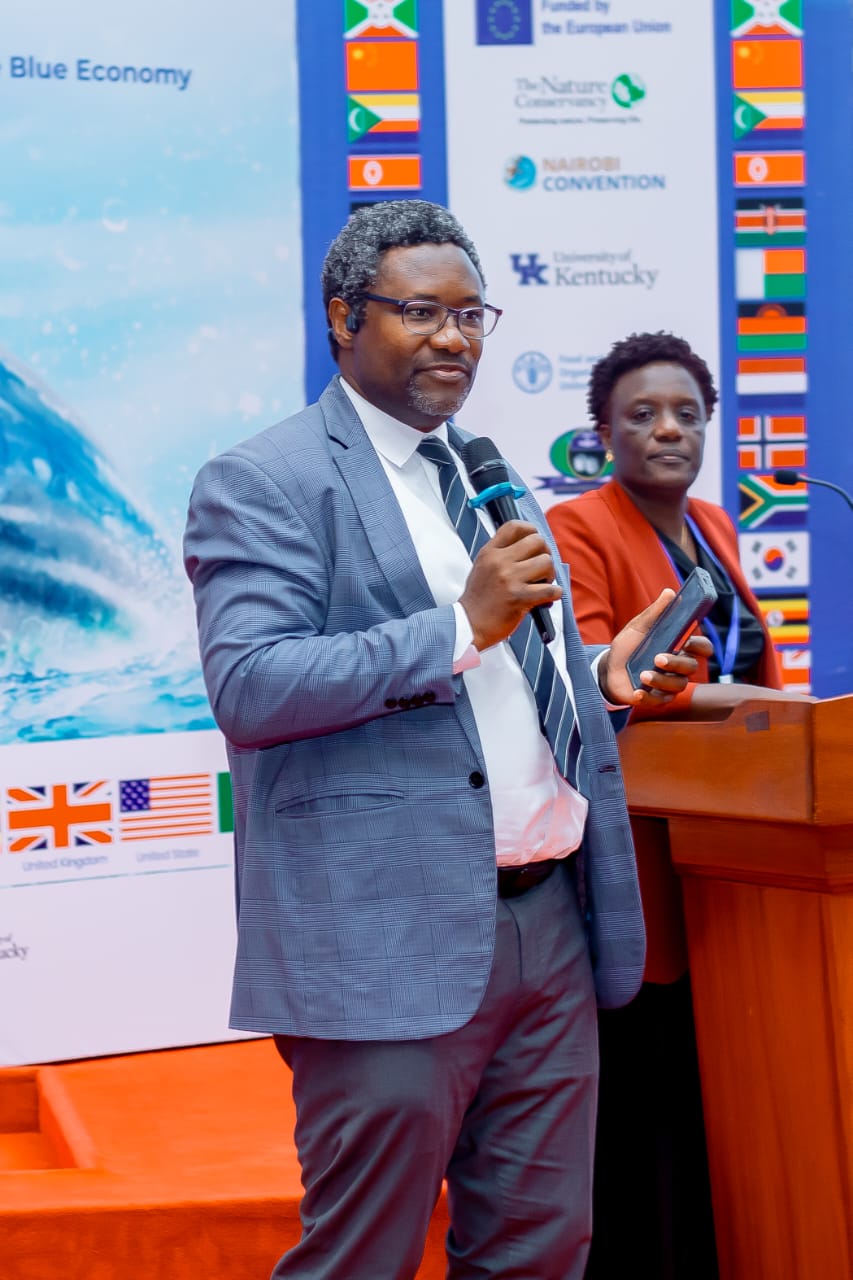
TAFIRI collaborates with Universities, research institutions, development organisations and international partners, including the University of Dar es Salaam (UDSM), Sokoine University of Agriculture (SUA), Nelson Mandela African Institution of Science and Technology (NM-AIST), the University of Dodoma (UDOM), the International Fund for Agricultural Development (IFAD), the Nanjing Institute of Geography and Limnology, and the Korea Institute of Ocean Science and Technology (KIOST), Wildlife Conservation Society (WCS), Western Indian Ocean Marine Science Association (WIOMSA), World Wide Fund for Nature (WWF), Lake Victoria Fisheries Organization (LVFO), EAWAG, Bern University, University of Kentucky, EAF-Nansen Programme, International Union for Conservation of Nature (IUCN), The Nature Conservancy (TNC), World Bank (WB), Food and Agriculture Organization of the United Nations (FAO), WorldFish (an international research organization focused on aquatic food systems).
These partnerships create opportunities for knowledge and technology exchange, technical capacity building, financial and infrastructure support, and the development of innovative solutions for fisheries and aquaculture. They also provide an important avenue for accelerating the transfer of technologies from research institutions and laboratories to fishers, aquaculture farmers, investors and policymakers.
Strengthening such partnerships will be essential to ensuring that scientific discoveries are translated into practical technologies, commercial opportunities and sustainable solutions that can transform Tanzania’s fisheries and aquaculture sector.
From Research to a Productive Blue Economy
Vision 2050 presents Tanzania with an opportunity to reposition fisheries from primarily serving as a source of food and livelihoods into a more productive, competitive and technology-driven economic sector. For this transformation to succeed, research must remain closely aligned with the needs of fishers, aquaculture farmers, processors, traders, investors and policymakers.

As Tanzania’s national fisheries research institution, TAFIRI therefore occupies a critical position at the intersection of science, industry and policy. Its contribution will include generating reliable scientific knowledge, strengthening fisheries data systems, developing appropriate technologies, promoting innovation and supporting stakeholders in adopting modern and efficient production methods.
Ultimately, the success of Tanzania’s fisheries transformation will depend not only on the abundance of its aquatic resources, but also on the country’s capacity to understand, manage, add value to and sustainably utilise them.
As Tanzania advances towards 2050, strengthening TAFIRI’s research capacity interms of infrastructure, personnel and strategic partnerships will be critical to translating scientific knowledge and innovation into practical economic opportunities.
A stronger research-driven fisheries sector can help unlock the value of Tanzania’s vast aquatic and marine resources, creating opportunities for economic growth, employment, food security and sustainable development while safeguarding these resources for future generations.