



FiSCH Marks 19 Years Of Transforming Lives Of Vulnerable Children In Iringa Through Education, Protection And Vocational Training

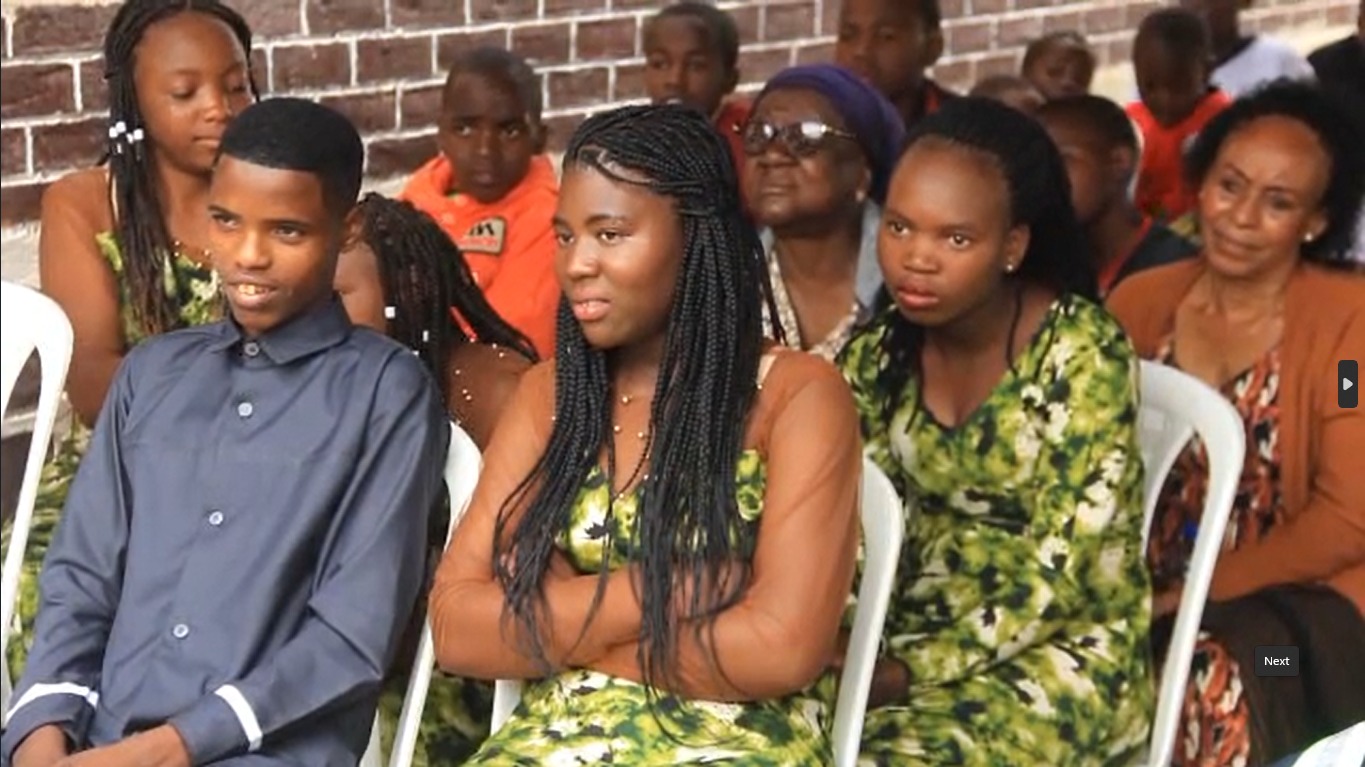
Beneficiaries of the non-governmental organisation, Future for Iringa Street Children (FiSCH), have spoken of how the institution’s care, education and vocational training services have transformed their lives, giving them renewed hope and opportunities to become self-reliant.
Some of the young people who were previously under the care of the organisation say the support they received has laid the foundation for their current achievements after facing family challenges that forced them to live on the streets.
Baraka Danil, 16, said he moved from Mbeya Region and lived on the streets before meeting FiSCH, which helped him access tailoring training.
He said disagreements with his mother and elder brother contributed to his decision to leave home and begin life on the streets, exposing him to difficult living conditions.
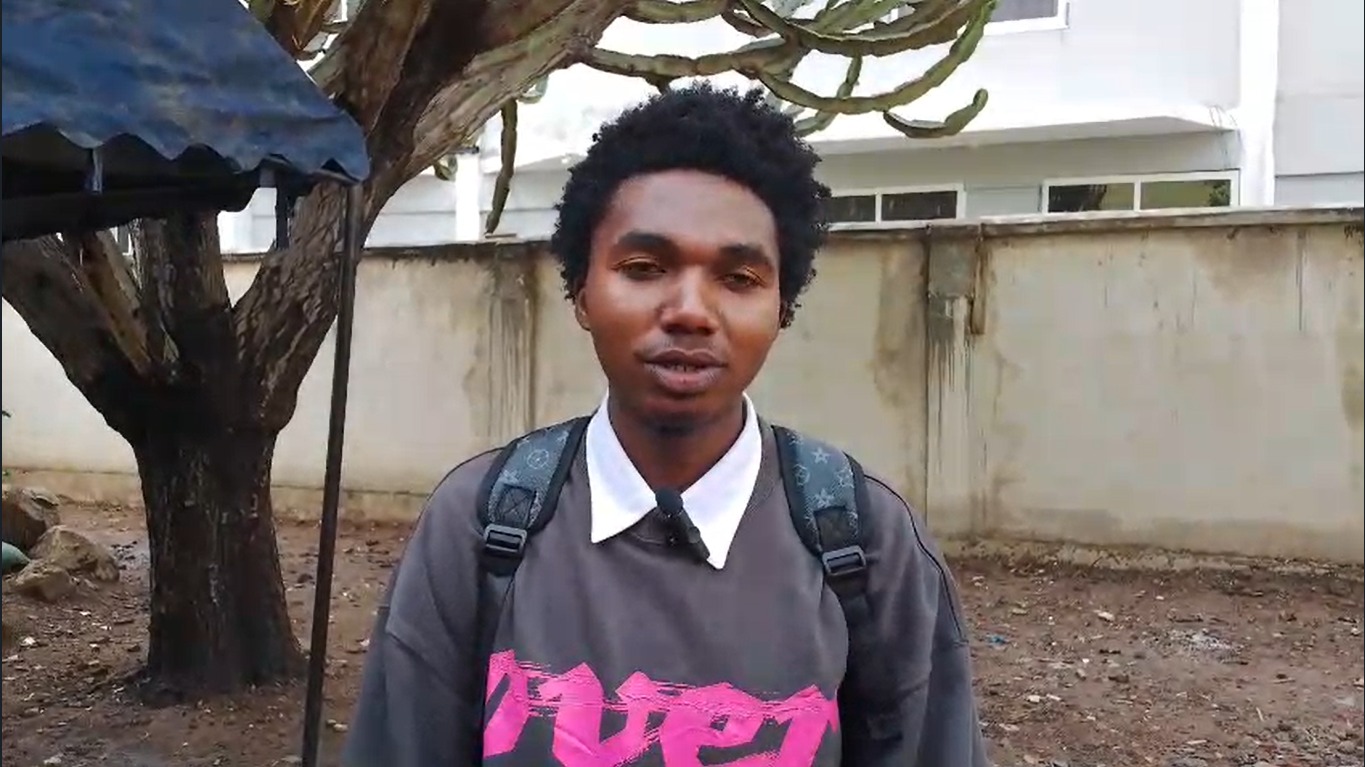
Another beneficiary, Zabron Mapinduzi Malata, 19, who has spent 11 years at the centre, said FiSCH helped him obtain primary education before he later opted for vocational training instead of proceeding to secondary school.
He said the centre had equipped him with skills in three trades: metal welding, sofa making and carpentry, giving him a foundation for self-reliance.
“I am grateful to all the stakeholders who supported me. I used to live on the streets after separating from my mother in Mafinga and moving to Iringa town, where I slept in a passenger shelter at the bus terminal. Later, I met FiSCH and my life began to change,” Malata said.
He urged young people living in various care centres to maintain discipline, respect their guardians and make good use of the opportunities available to them in order to achieve their dreams.
He also appealed to the community and other stakeholders to continue supporting centres that care for children living in vulnerable circumstances so that they can reach more children and give them opportunities to build better futures.
Meanwhile, a total of 1,560 children have received various services from FiSCH since its establishment, while 800 children continue to benefit from the services provided by the centre in Iringa Region.
Speaking on November 14, 2026, during the organisation’s 19th anniversary celebrations held at the FiSCH centre, Executive Director Erasto Nzogela said the institution had played a significant role in restoring hope among children and young people facing various social challenges.

Mr Nzogela said that over the past 19 years, FiSCH had continued to work closely with the Government and various stakeholders to ensure that children living in vulnerable circumstances enjoyed their basic rights, including education, protection and proper care.
He said the partnership had helped transform the lives of many children who previously lived on the streets, enabling them to return to formal education and access vocational training that would help them become self-reliant.
“We have enabled children living in vulnerable circumstances to achieve their dreams just like other children from financially stable families. We have helped them return to school, from primary and secondary education to colleges and universities,” Mr Nzogela said.
He revealed that more than 25 young people who had benefited from the organisation’s services had graduated from various universities, with some securing employment in different professions, including teaching, medicine and technical fields.
He said the transformation had also contributed to reducing street-related crime, as young people who were previously associated with undesirable activities had acquired skills and opportunities to engage in legitimate income-generating activities.
“These children were once labelled as street children, petty thieves and criminals, but through the care, education and training they received, they have transformed their lives and are now engaged in various income-generating activities,” he said.
In another development, Mr Nzogela said the organisation was also supporting 51 low-income families through their children by providing monthly food assistance.
He said each family receives five kilogrammes of maize flour, five kilogrammes of rice, one litre of cooking oil and one kilogramme of sugar.