




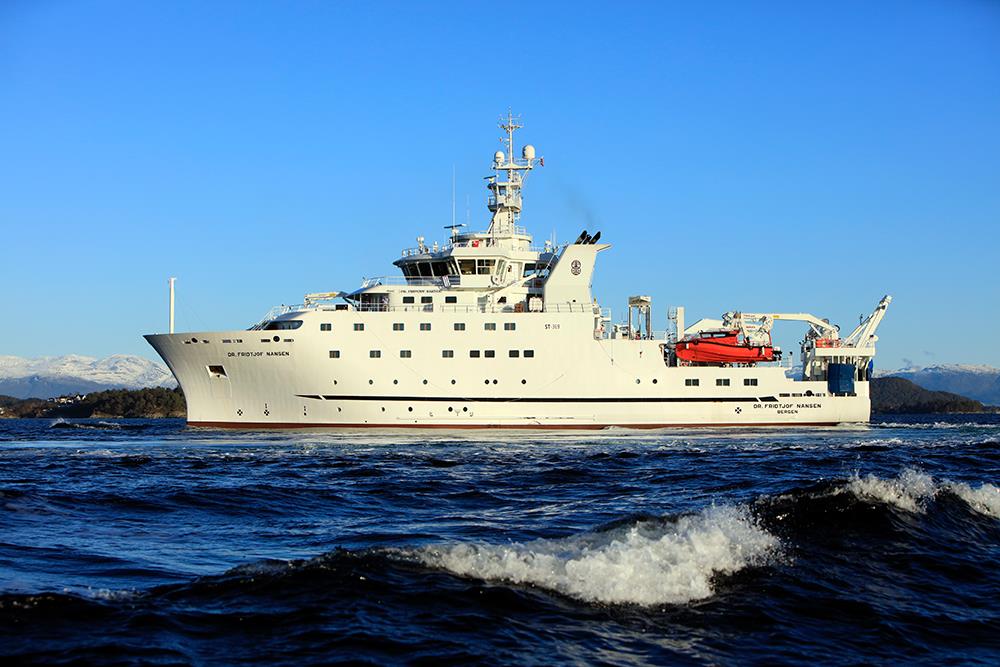
Tanzania and Norway have continued to emphasize the importance of marine research in identifying opportunities in the Blue Economy, strengthening sustainable fishing and protecting marine ecosystems.
The Acting Secretary General in the Vice President’s Office (Union and Environment), Dr. Latifa Khamis, said Tanzania continues to recognize the importance of the sea and the opportunities available through scientific research, especially in the fishing sector, environmental conservation and the Blue Economy.
Dr. Latifa made the observation during a visit to inspect the research vessel Dr. Fridtjof Nansen, which conducts research on marine resources in various African countries.
The famous marine vessel has arrived at the Port of Dar es Salaam after sailing through Namibia and Mozambique, and is on her marine research mission to neighbouring Kenya, among others, to share critical data with national authorities for better fish stock management and licensing regimes.
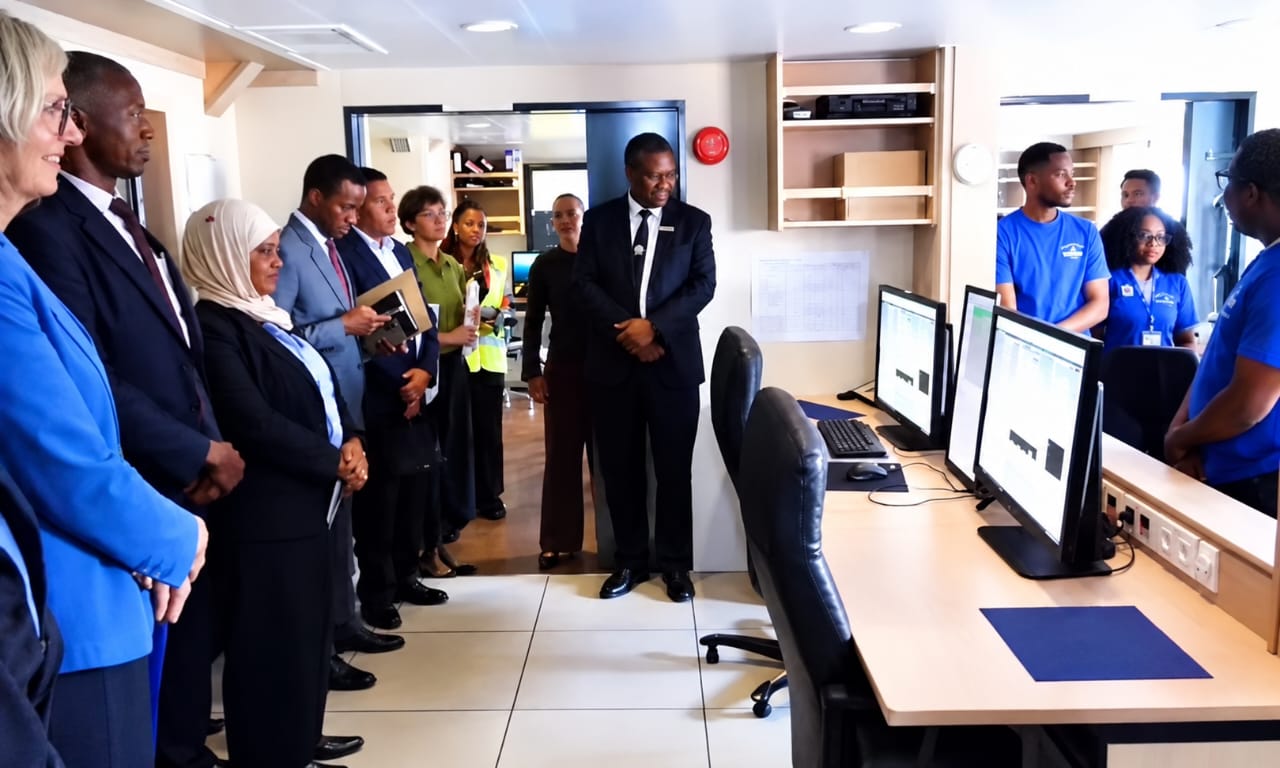
Dr Latifa observed that ocean research makes a significant contribution by providing scientific information that can help the Government and other stakeholders make informed decisions, formulate development policies and strategies, and ensure the sustainable use of ocean resources.
“The participation of Tanzanian researchers and students in this programme is an important opportunity to increase knowledge, share experience with experts from various African countries and use research findings in planning development policies and strategies,” said Dr. Latifa.
For her part, the Ambassador of Norway to Tanzania, Hon. Tone Tinnes, said cooperation between Tanzania and Norway in marine research continues to provide an opportunity to increase awareness of the state of marine resources and the challenges facing the marine environment.
She said the Dr. Fridtjof Nansen research vessel has been used for more than 50 years to conduct research in various areas of the sea, including collecting samples and assessing the status of fish resources.
Ambassador Tinnes said research conducted through the vessel has now expanded to include investigations into marine pollution, including plastics and microplastics, while the findings help countries use scientific evidence in planning and implementing marine resource management policies.
She said these studies are important in increasing awareness of changes occurring in the marine environment and enabling countries to take measures aimed at protecting these resources for the benefit of current and future generations.
And the Director General of the Tanzania Fisheries Research Institute (TAFIRI), Dr. Ismael Kimirei, said the arrival of Dr. Fridtjof Nansen in Tanzania is of great importance in continuing to obtain scientific information about fisheries resources and the marine environment.
Dr. Kimirei said research on fisheries resources conducted using the vessel has a long history in Tanzania, with the first such research conducted in 1982.
He said the studies have been carried out during various periods, including in 2022, 2024 and 2026, and have made a significant contribution to increasing knowledge about the country’s fisheries resources.
“This research has many benefits, including identifying the fisheries resources we have, different fish species, fish abundance and the state of biodiversity in our marine areas,” said Dr. Kimirei.
He added that the information obtained through these studies is important in helping experts and the Government make decisions based on scientific evidence in the management of fisheries resources and the marine environment.
ABOUT Dr. Fridtjof Nansen
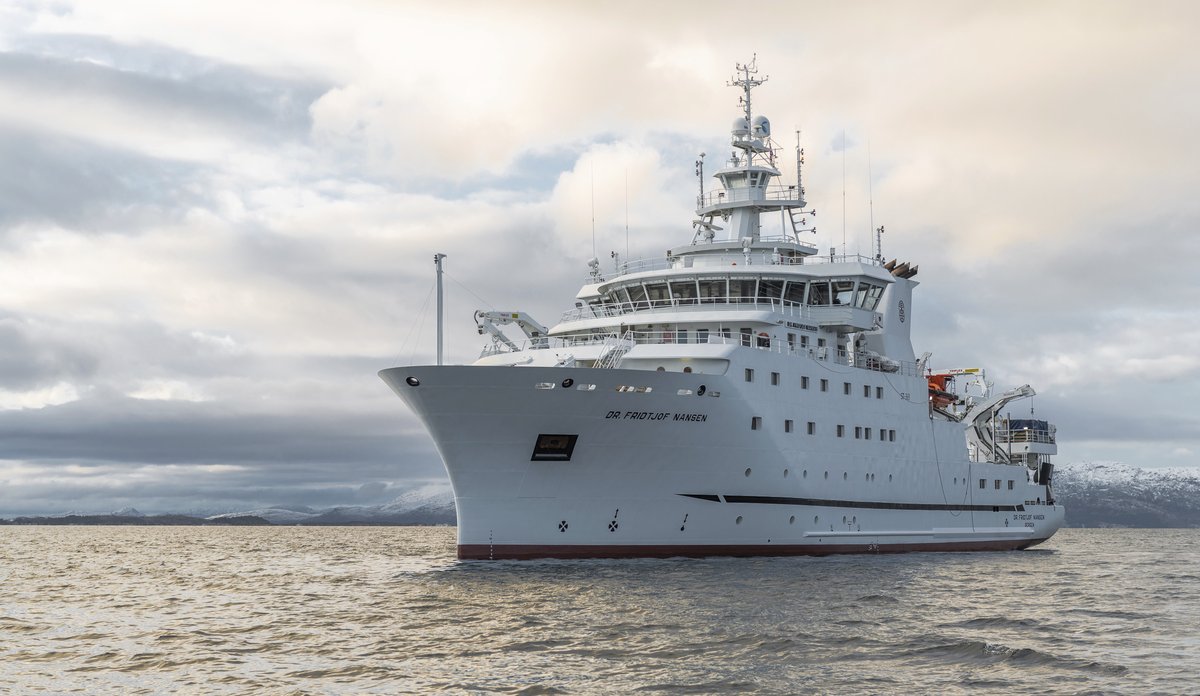
The R/V Dr. Fridtjof Nansen is a modern, United Nations-flagged floating research laboratory dedicated to studying marine ecosystems, assessing fish stocks, and monitoring climate and pollution impacts in developing regions, primarily across Africa and the Indian Ocean.
It operates under a 50-year partnership between the Food and Agriculture Organization (FAO) and Norway (via Norad and the Institute of Marine Research in Bergen).
The Vessel: The current ship is the third to bear the name. It serves as a state-of-the-art platform designed to support sustainable fisheries and ocean governance.
The vessel features at least seven advanced onboard laboratories equipped for acoustic systems, ocean floor mapping, and remote observation, with the capability of collecting data on salinity, temperature, and habitats at depths down to 4,000 meters using specialized sensors and micro-cameras.