



8,000 Mara Farmers Set to Benefit As France-Funded Kilimo Thabiti Project Enters Second Phase

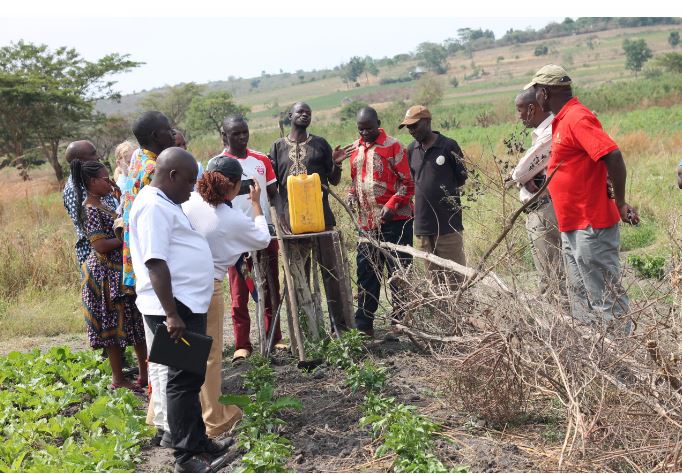
Timely and reliable weather information stands among the best prerequisites for enabling farmers to cultivate productively.
In Tanzania, as is the case in most African countries experiencing a radical shift in rainfall patterns, access to and availability of weather forecast information for farmers have become increasingly prudent.
Based on this fact, diverse agricultural stakeholders and institutions decided to ramp up efforts to implement a robust initiative tailored to address the existing gap in access to weather information among local farmers.
Dubbed “Kilimo Thabiti,” the project is a brainchild of several agriculture-based institutions, including the Tanzania Agricultural Research Institute (TARI), the Tanzania Youth Espouse for Gender and Development (TYEGD), Esoko and Weather Impact.
A key feature of this initiative, under the sponsorship of the Fund for Innovation and Development (FID), is the distribution of weather forecasts through short messages (SMS), enabling farmers to synchronize their activities with prevailing weather conditions.
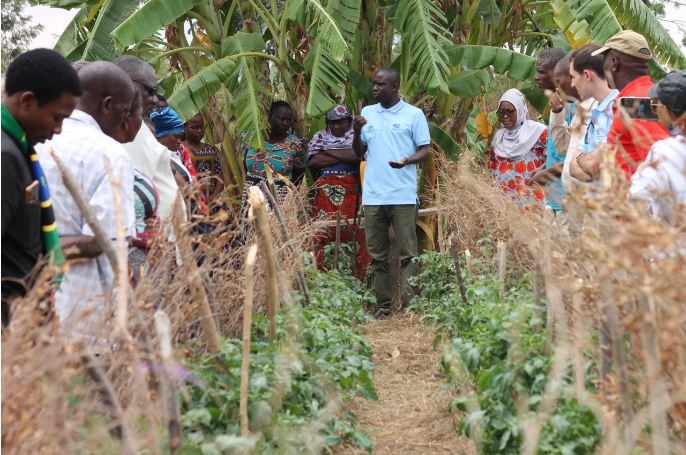
During its first phase, launched in December 2023, the project, which focuses on integrating precise weather information with Good Agricultural Practices (GAPs), worked to empower farmers engaged in cassava and maize farming across Bunda District Council, Bunda Town Council and Butiama District in Mara Region.
A total of 2,656 farmers were reached through a short-message service providing weather information, while 541 farmers received training on Good Agricultural Practices. In addition, 30 farmers were trained as farmer-scientists, whose main responsibility was to collect information on soil moisture levels.
In its implementation, TARI, through its Ukiriguru Centre, has been instrumental in training farmers on GAPs, conducting research and collecting data on climate change, while Weather Impact has been responsible for coordinating the project and providing weather forecasts based on data shared by farmers and satellite observations.
The focus was to improve the livelihoods of cassava and maize farmers in the Mara Region by providing tailored agro-weather advisory services and training.
LAUNCHING OF THE PROJECT’S SECOND PHASE
On September 22, 2026, the second phase of the Kilimo Thabiti Project was officially launched in Mara Region, this time focusing on reaching at least 8,000 farmers in the four districts of Musoma Rural, Bunda, Butiama and Serengeti.
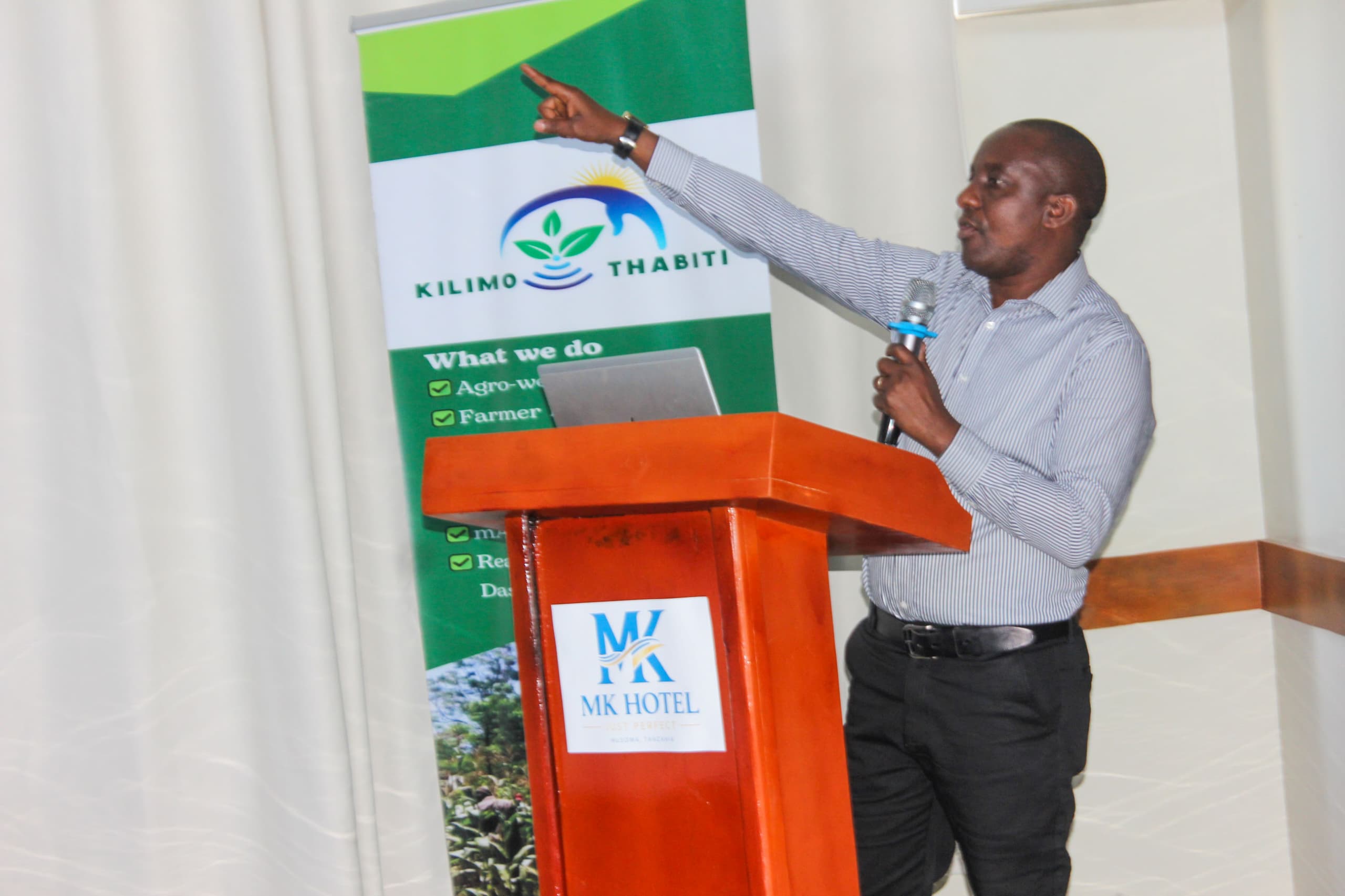
Speaking during the launching ceremony, the Head of Administration and Human Resources Section at the Mara Regional Secretariat, Mr Dominicus Lusasi, observed that the extension of the crucial initiative signifies the presence of mutual cooperation between the government and development partners in the frontline of efforts to address challenges facing the agriculture sector.
He assured that the government in Mara Region would continue working closely with the project’s implementers to ensure that the targeted results are achieved.
TARI’s Director of Research and Innovation, Dr Deusdedith Mbanzibwa, said the project was employing a digital-based system, a development he noted had so far delivered meaningful benefits to beneficiary farmers.
Some beneficiaries of the first phase of the project have commended all stakeholders who participated in establishing the project, which has supported them in land preparation, crop management while in the field, harvesting, as well as post-harvest management.
“Personally, I have benefited greatly from the Kilimo Thabiti project. I used to receive text messages advising me on timely land preparation based on the predicted weather conditions. This also benefited other farmers to whom I shared the weather forecast information,” said Mr Breck Amos, a farmer from Nyangere Village, Nyamang’uta Ward, Bunda District.
Ms Frolentina Manyama, a farmer from Nyakiswa Village in Bunda District, called for an increase in the number of beneficiaries so that more farmers can access timely weather information and agricultural advice.
The second phase of the Kilimo Thabiti Project is being implemented at a time when Tanzania has officially begun implementing the National Development Vision 2050, which places emphasis on increasing productivity, promoting the use of technology and innovation, adding value to agricultural produce, and building resilience to climate change, ultimately fostering a productive agricultural sector that benefits both individual farmers and the nation as a whole.