



By Staff Writer
As Nane Nane Exhibition kicks off farmers and other agricultural stakeholders across the country have been urged to use the experience and knowledge from Dutch agribusiness to have better crop yield for sustainable agricultural practices.
East west Seed Tanzania, Regional Business Head for Africa, Mr Robert Kimonge, said Dutch businesses and agribusiness in the country had helped to improve the lives of millions of potato farmers through the use of better seeds for quality yield.
“Success in vegetable production starts with good seed, knowledge, technology and a committed farmer. East West Seed we believe putting smallholder farmers at the heart of everything we do,” said Mr Kimonge.
He explained that technology, innovation and knowledge dissemination to local partners contributed to the growth of horticulture, while dialogue on seed policy review with key stakeholders fostered a conducive environment for seed business in Tanzania.
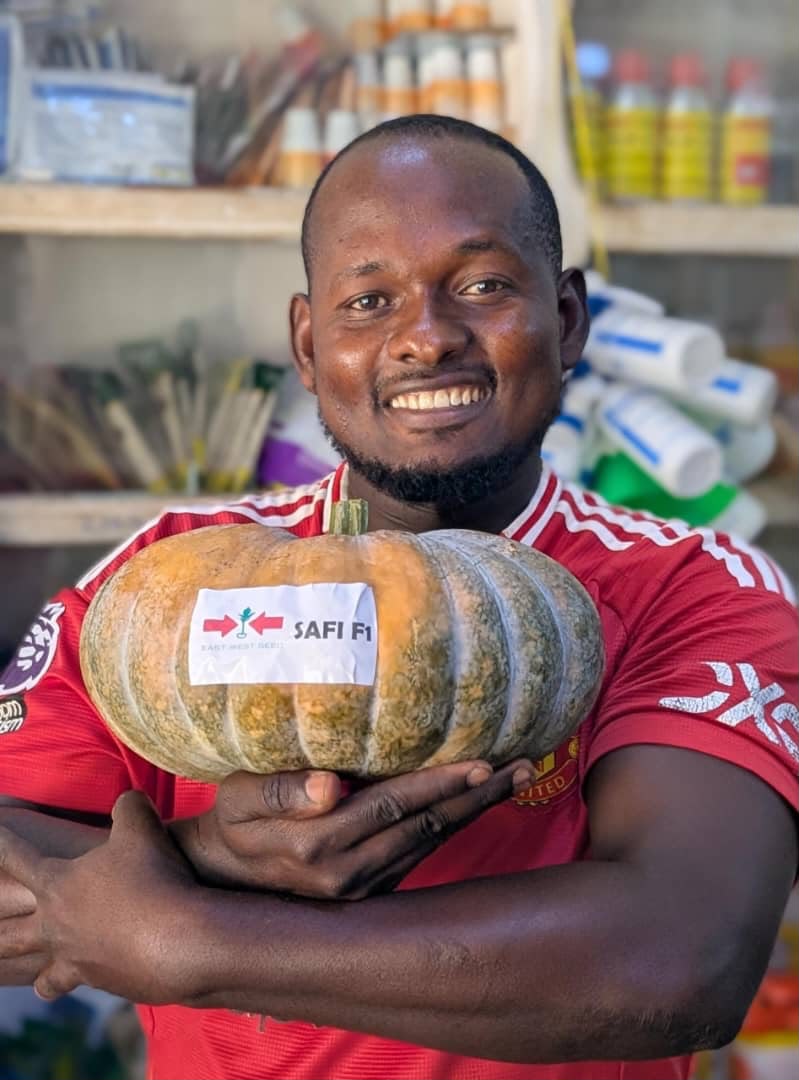
Mr Kimonge said East West Seed had been taking different initiatives to address farmers’ challenges that affected their crop yield potential. Some of the initiatives and measures undertaken include breeding varieties that withstand biotic and abiotic challenges.
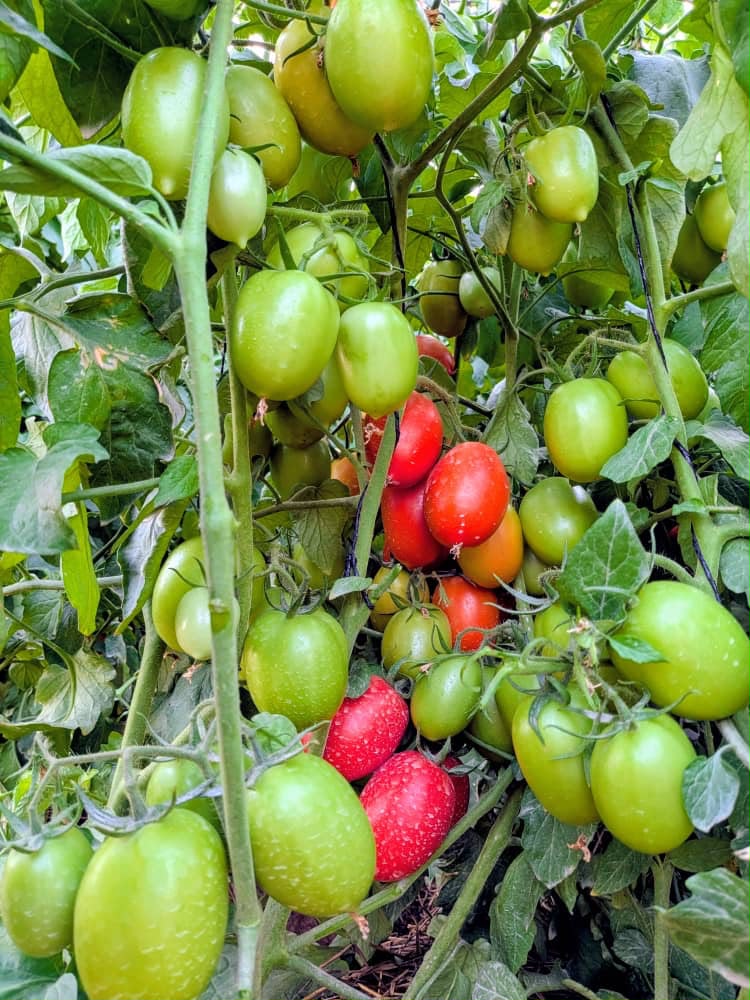
For example, EWS breeds varieties that are tolerant and resistant to bacterial wilt which has been a major challenge for tomato and sweet pepper farmers, varieties that are tolerant to fusarium wilt and viral diseases.
“Varieties that are tolerant to low and high temperatures and varieties that are tolerant and resistant to insect pests. There are also breeding varieties with high shelf life in the market and that are preferred by the consumers,” he noted.
He said East West Seed had supported knowledge transfer to farmers to ensure farmers were well equipped with good agronomic practices for increased productivity and income.
For his part, Mr Epaphras Milambwe, Knowledge Transfer Manager in Tanzania said partnership between Dutch agribusinesses and local farmers had yielded a positive impact at household and national levels. This has resulted in access to improved seeds.
For example, East West Seed has over 240 networks of agro-input suppliers throughout the country that ensures access to quality seeds by vegetable farmers. Seed sales on credit to agro-input dealers offers opportunity for them to grow their business crops and ensure quality seed affordability to farmers.
He emphasised technology and knowledge access to farmers, saying improved technologies and knowledge transfer to farmers had enabled increased productivity and income.
“The use of hybrid seeds not only has increased productivity, but also assurance on food security, market access and sustainable livelihoods,” he explained.
Agricultural Growth of Corridor Tanzania (AGCOT) Project Manager, Mr Abdallah Msambachi said in potato production farmers had limited access to certified seed, inadequate technical knowledge, weak farmer organisations and unreliable markets.
“We thank Dutch companies and development organisations for responding through an integrated value-chain approach that brings to an end to these challenges in the agricultural sector,” said Mr Msambachi.
He said HZPC had supported access to certified, high-quality potato seed while strengthening farmers’ knowledge of good agricultural practices, seed management, crop nutrition, disease control, and productivity improvement and this had helped farmers to improve crop yield and the quality and consistency of their produce.
“Dutch-supported organisations such as Agriterra have complemented this technical support by strengthening farmer organisations, including Isowelo AMCOS and Lukinga AMCOS,” he said.
This support has focused on transparent leadership, financial management, member participation, business planning, and collective marketing. Stronger farmer organisations are better positioned to negotiate with buyers, mobilise services for their members, and sustain commercial relationships.
Mr Msambachi explained further that at market level, companies such as Mapinga Premium Foods had provided structured and more reliable market opportunities and the presence of committed buyers gave farmers greater confidence to invest in quality seed and improved production practices because they had a clearer route to market.
Mr Msambachi said a 2025 Tanzania-Dutch Agribusiness Accelerator (TADAA) partner-outreach survey confirmed that these experiences were not isolated.
He said 15 of the 17 responding Dutch and Dutch-linked organisations reported that they were already working with Tanzanian partners. Joint ventures and partnerships are also the most common forms of investment entry, while most reporting companies employ predominantly Tanzanians to address unemployment.
He went on to say that a memorable example came from a field visit to Lukinga Village in Gairo District in August 2025, undertaken together with Elimika Organisation, HZPC, Mapinga Premium Foods, and Agriterra.
“During the visit, farmers explained that although their area has fertile land and strong potential for potato production, they previously operated with limited technical knowledge, inadequate access to certified seed, weak organisational structures, and uncertain markets,” he noted.
He said based on available programme information and wider Dutch-supported potato seed systems, they estimated that 7,500 farmers and at least 60 organised farmer groups had benefited from collaboration, particularly in Njombe and other potato-producing areas of the Southern Highlands.
“The most clearly documented engagement includes about 60 farmer groups that accessed quality seed potatoes and practical training through HZPC’s demonstration and good agricultural practices programme,”
“Beyond these directly supported groups, the benefits extend to farmers who access Dutch-origin varieties through local seed multiplication and distribution networks, participate in demonstrations and farmer-to-farmer learning, or receive technical and market support through partner organisations,” he expressed.
Mr Msambachi said the estimated number of farmers reached reflected the important contribution that Dutch-supported varieties and seed systems made to quality seed availability in major potato-producing areas such as Njombe. As seed is multiplied and distributed locally, its benefits extend well beyond farmers who purchase directly from Dutch companies.
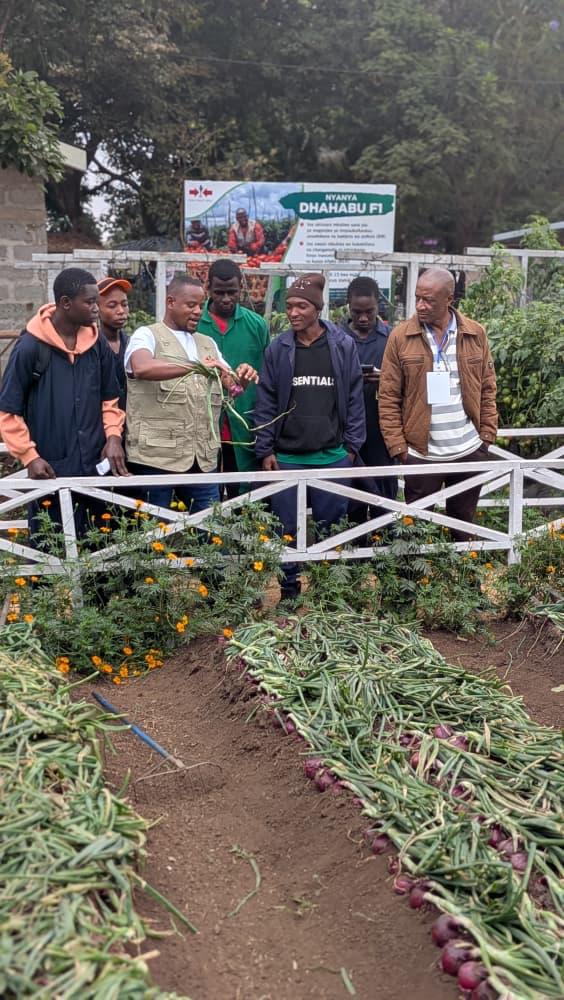
He stressed that collaboration had also strengthened farmer organisations, improved access to technical knowledge, and connected farmers to market opportunities through partners such as Agriterra, Mapinga Premium Foods and Elimika Organisation.
Mr Msambachi pointed out that the broader TADAA outreach identified 30 Dutch and Dutch-linked enterprises in the Southern Highlands, with 15 of the 17 surveyed organisations already working with Tanzanian partners, providing a strong platform for expanding this impact.
“While the estimated figure is not yet a consolidated count of individually registered beneficiaries across all participating organisations, it provides a reasonable indication of the partnership’s current scale. With continued investment in local seed multiplication, farmer training, organisational development and market linkages, collaboration has the potential to reach more than 10,000 farmers in the coming years,” he noted.
The Netherlands Embassy in Tanzania actively promotes access to quality seeds in the country. Tanzania hosts more than 80 Dutch agricultural companies, the majority of which operate in horticulture. Additionally, several major international seed companies have a presence in Tanzania.