



President Samia’s Call For Coconut Revival Continues Getting More Thumbs-Up As Major Nurseries Open with Over 20,000 Seedlings

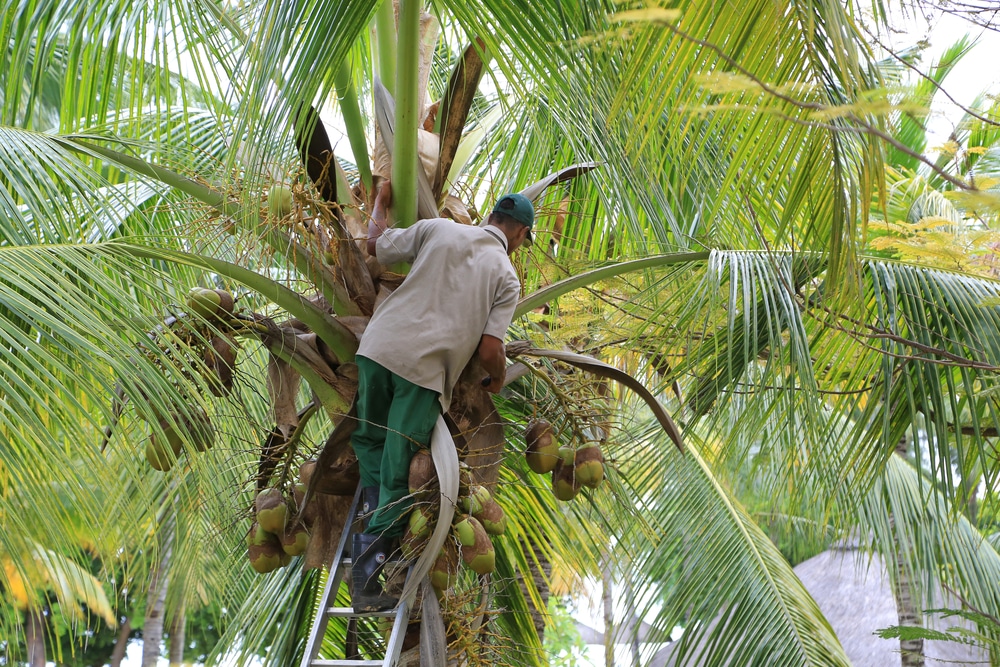
If a single raw coconut can enable a Tanzanian farmer to earn around 1,500/- while one litre of virgin coconut oil (VCO) can fetch up to 50,000/-, then the cultivation of tropical palm trees presents a vital economic niche for farmers across the country to fight poverty and improve their livelihoods.
According to the National Sample Census of Agriculture, 261,033 households are engaged in coconut production across Tanzania.
In Tanzania, the coconut sub-sector is largely dominated by smallholder farmers, who account for about 95 per cent of producers, while medium- and large-scale producers make up only 5 per cent.
Historically, the crop has supported the livelihoods of approximately 600,000 households across Tanzania’s coastal regions and islands.
Currently, the production of this economically important cash crop is concentrated mainly in Tanga, Coast, Dar es Salaam, Lindi, Mtwara and Ruvuma, which are the leading producing regions. Other regions, including Morogoro, Mbeya, particularly Kyela, Kigoma and Mwanza, also contribute to coconut production, albeit at relatively lower levels.
Recognising the economic potential of coconut production, the government of Tanzania has been implementing several initiatives to revive and scale up the sub-sector.
This task has been spearheaded by the Ministry of Agriculture through its relevant institutions, particularly the Mikocheni Centre of the Tanzania Agricultural Research Institute (TARI).
Headquartered in Mikocheni, Dar es Salaam, the centre specialises in vital coconut research and agricultural biotechnology.
Coconut research focuses on continuing the legacy of the National Coconut Development Programme (NCDP), established in 1979/80, to improve coconut varieties, productivity and the entire coconut sub-sector.
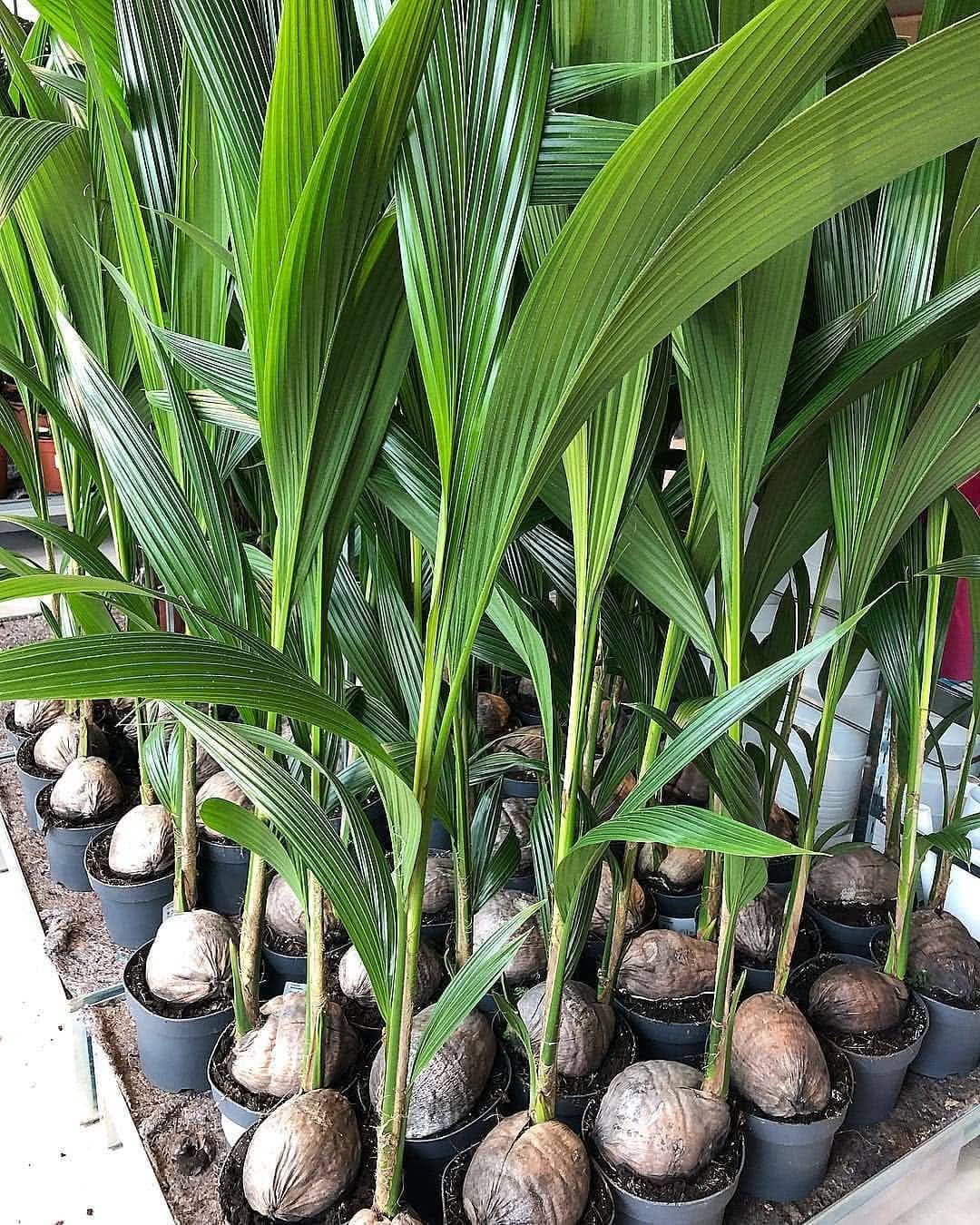
As part of its core responsibilities, the centre has established extensive coconut seedling nurseries in Same, Muheza, Mkuranga and Kisarawe districts.
With each nursery currently maintaining at least 5,000 seedlings of the East African Tall (EAT) coconut variety, the vision is to expand the production potential of the crop.
TARI remains optimistic that, with a total of 20,000 seedlings, farmers in the areas served by the nurseries will have access to sufficient planting materials to establish and expand their coconut plantations.
The agricultural extensional officers in the benefited areas are also receiving key training on better agronomic practices for growing coconut, placing the farmers on a good side to acquire the needed practices.
With the multiplication and distribution of abundant seedlings, the government is mulling to extend coconut production in more regions across the country where it can thrive.
This fresh impetus on Tanzania’s coconut sub- sector is seem increasingly gaining momentum since it is fully at President Samia Suluhu attention.
The Head of State had directed the parent ministry to ensure for the full revival and promotion of the economic cash crop in Tanzania, especially in the leading producer regions of Lindi and Mtwara.
In response, TARI has already produced and distributed over 500,000 improved coconut seedlings in the regions.
Manager of TARI Mikocheni Centre, Dr Evangelista Chiunga, told Zanzibar News that the facility is set to distribute more seedlings to farmers in Lindi and Mtwara so that they can expand their plantations as the planting season approaches.
She said the initiative was promoting improved coconut varieties, particularly the East African Tall (EAT) varieties, which include Vuo, LBS, Madonga and Buza, known for their productivity and suitability for coconut-growing areas.
“Principally, a coconut tree’s economic lifespan can extend to at least 70 years, and it appears that most of the trees in these regions are old. They therefore need to be replaced,” she said.
She noted that TARI Mikocheni, which is responsible for research and development of the crop, is implementing a series of interventions aimed at increasing coconut production by at least 10 per cent by 2030.
According to Dr Chiunga, the centre has so far researched and developed at least four improved coconut varieties that are resistant to major coconut diseases, including the destructive coconut lethal disease.
As part of efforts to further improve production, she said the centre was planning to expand its research activities beyond the traditional coastal coconut-growing areas.
“As part of our envisaged research programme, we are expecting to conduct research in Kigoma, Mwanza, Mbeya and Morogoro regions, which are also areas with potential for growing coconut,” she said.
The manager said the centre was also training farmers on how to utilise old coconut trees for timber instead of burning them, as has traditionally been the case.
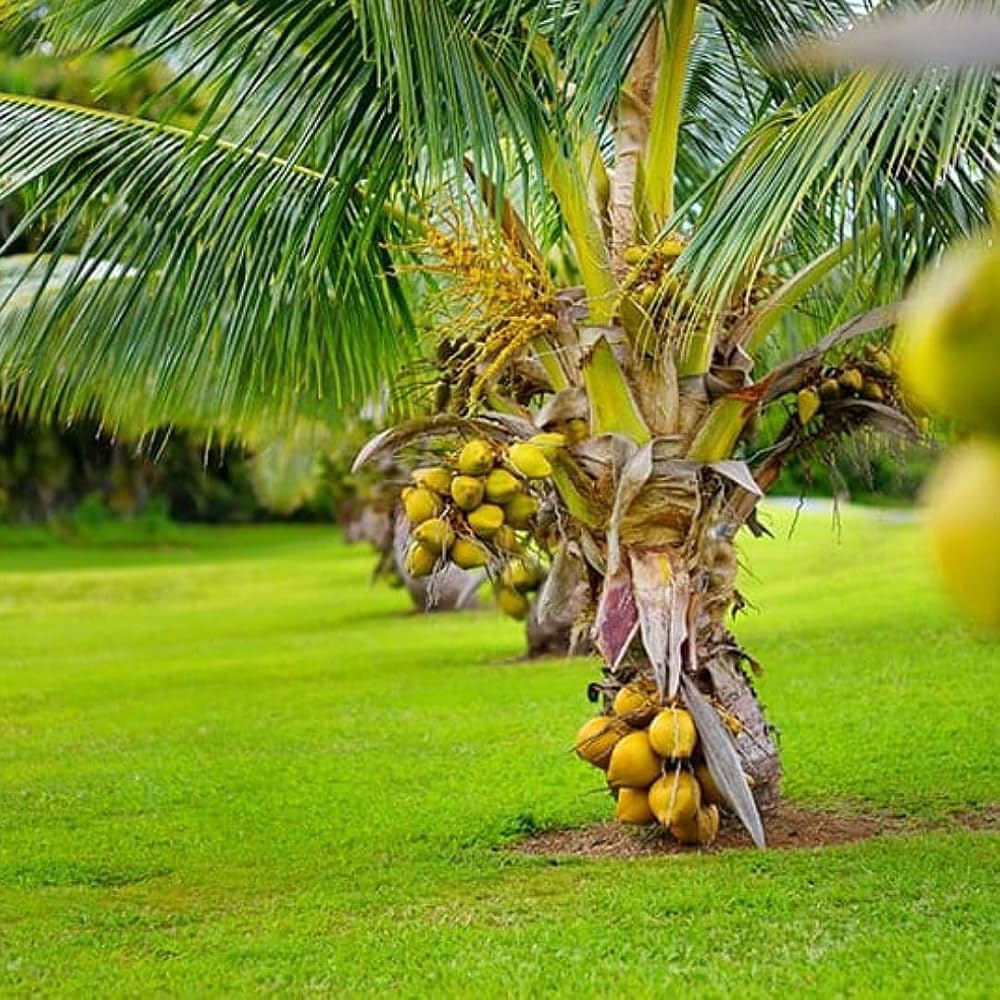
“Coconut trees can produce valuable wood that can be processed into high-quality furniture, which can attract lucrative prices in the market,” she said.
On value addition, Dr Chiunga said experts at the state-owned agricultural research centre were disseminating affordable technologies to enable farmers to process coconuts into virgin coconut oil (VCO) and other products.
“The target is to ensure that by 2030, all coconuts produced by farmers in the country are processed into different high-value products instead of being marketed in raw form,” she said.
She explained that about 20 raw coconuts can produce one litre of virgin coconut oil, meaning that processing can significantly increase the economic returns received by farmers.
“And through processing, farmers can stand a chance to generate a profit of around 30,000/- from the same quantity of coconuts,” Dr Chiunga said.
In further efforts to promote value addition, she said the programme was also empowering farmers to produce coconut fibre and pots for raising seedlings, creating additional income-generating opportunities within the sector.
She added that during the 2023/24 financial year, the government set aside 480 million/- to support the development of the coconut sub-sector.
The funds are being used to facilitate various interventions, including the dissemination of affordable coconut-processing technologies to farmers.