



TALIRI’s Inteventions On Pasture Seeds Registration Impresses Finance Minister, Saying It Will Curtail Land Use Feuds

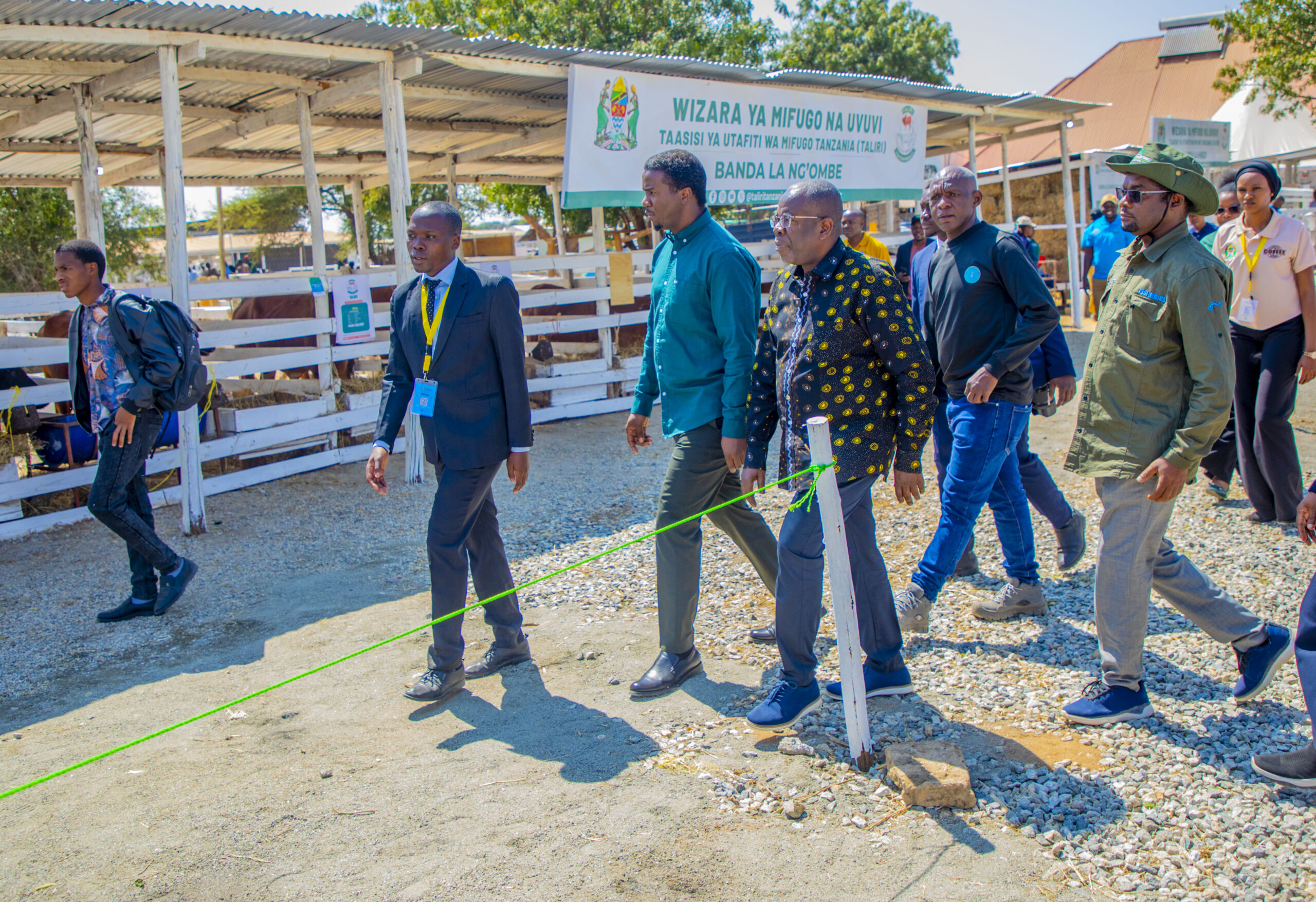
THE Minister of Finance, Ambassador Khamis Mussa Omar, remains optimistic that efforts by the Tanzania Livestock Research Institute (TALIRI) to produce and register new improved pasture seed varieties is likely going to end the longstanding bloodshed fracases between the livestock keepers and farmers across the country.
For years now, Tanzania has been witnessing serious conflicts between the farmers engaging into the two economic sector, fueled by limited grazing land in the country.
In efforts to address the situation, experts at TALIRI, in partnership with private- sector stakeholders, ventured into implementation of an ambitious project, aimed at increasing the production and availability of improved pasture seed varieties to boost the availability of pasture to livestock farmers in Tanzania.
Through the project, Tanzania currently has at least nine certified improved pasture varieties.
Of these, five (Cenchrus ciliaris, Chloris gayana, Medicago sativa, Macroptilium atropueperium and Desmodium intortum) were developed through TALIRI research programmes, while the remaining four (Sugargraze, Nutrifeed, KKS3866 and KKS3864) were developed by private-sector stakeholders.
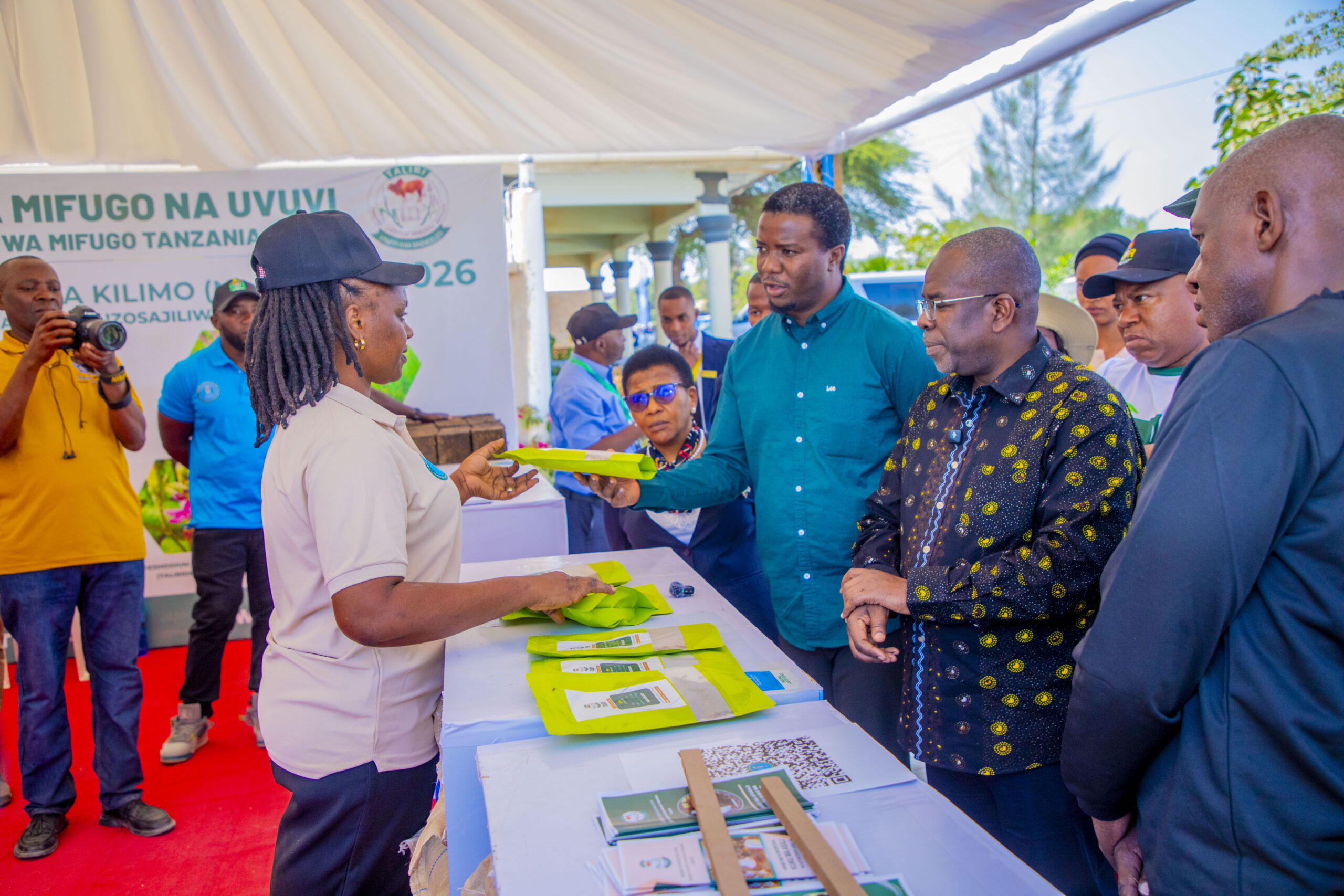
At the ongoing Nanenane Agricultural Internationsl Exhbitions in Dodoma, Ambassador had an opportunity to visit at the TALIRI’s pavilion with an eye to learning about various services and technologies developed, including improved livestock breeds, pasture varieties and pasture seeds, together with technologies for producing supplementary livestock feeds.
” I am impressed with the good manner in which TALIRI is working round the clock to conduct key research and develop technologies for producing sufficient pasture seed varieties. This will not only improve livestock production and raise the incomes of livestock keepers across the country, but it will reduce land feuds between livestock keepers and crops producers,” he expressed.
For example, the Minister said, Juncao grass is very useful as it can produce up to 60 tonnes per acre, saying the development will help increase the availability of livestock feed and reduce conflicts between livestock keepers and other land users.
For his part, speaking during the visit, TALIRI Director General, Prof Erick Komba, informed the the state- owned institute was continuing implementing the pasture developing program to empower various stakeholders in the sector to produce pasture seeds, while TALIRI remained responsible for producing foundation seeds to ensure that seed quality standards were maintained.
He noted that the institute had also increased investment in the development and production of various livestock technologies, which takes into account interventions to expanding pasture production areas, increasing the production of pasture seeds and breeding larger numbers of improved livestock for distribution to livestock keepers across the country.
“The vision is to further improve livestock productivity, enhance food security, raise the incomes of livestock keepers and stimulating economic growth through the livestock sector,” he added.