



Policymakers, researchers and farmers who met at the Landscape Innovation Symposium in Dodoma recently agreed on one point: Tanzania already knows what works in its semi-arid central zone. The task now is to spread it beyond the project villages.
The evidence came from Kongwa and Mpwapwa districts, where more than a decade of work under Africa RISING (2011–2022) and its successor, ResComm (2021–2026), has changed how farmers manage land, crops and livestock.
An estimated US$19 million invested across the two programmes generated about US$146 million in direct benefits, a benefit–cost ratio of 7.8, according to the symposium report. Much of that return came during the scaling phase.
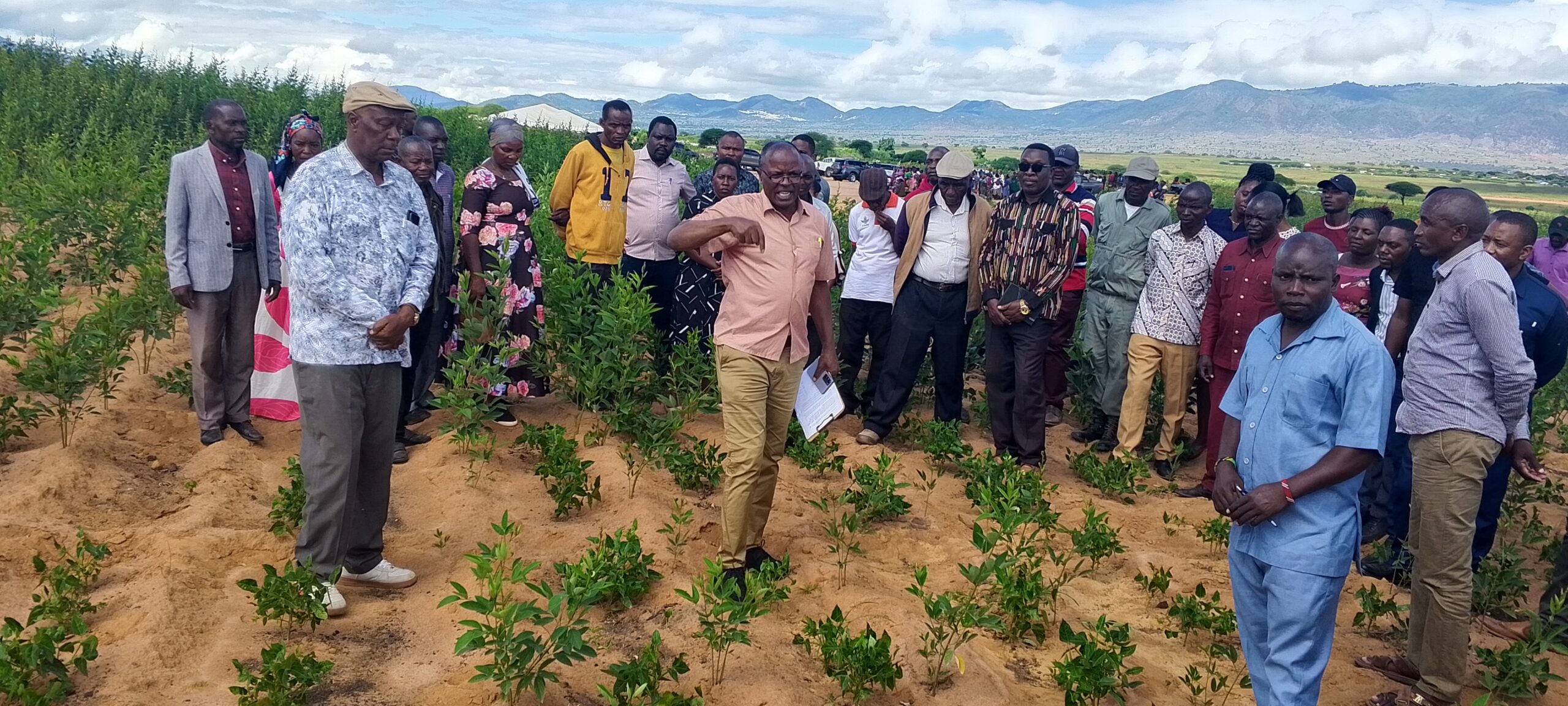
The symposium, themed “Building Resilient Rural Communities Through Sustainable Landscapes and Integrated Crop–Livestock Systems”, drew 65 participants (17 women and 48 men).
They came from the Ministry of Livestock and Fisheries, the Tanzania Agricultural Research Institute (TARI), the Tanzania Livestock Research Institute (TALIRI), district councils, six CGIAR research centres, development partners, the private sector and farming communities.
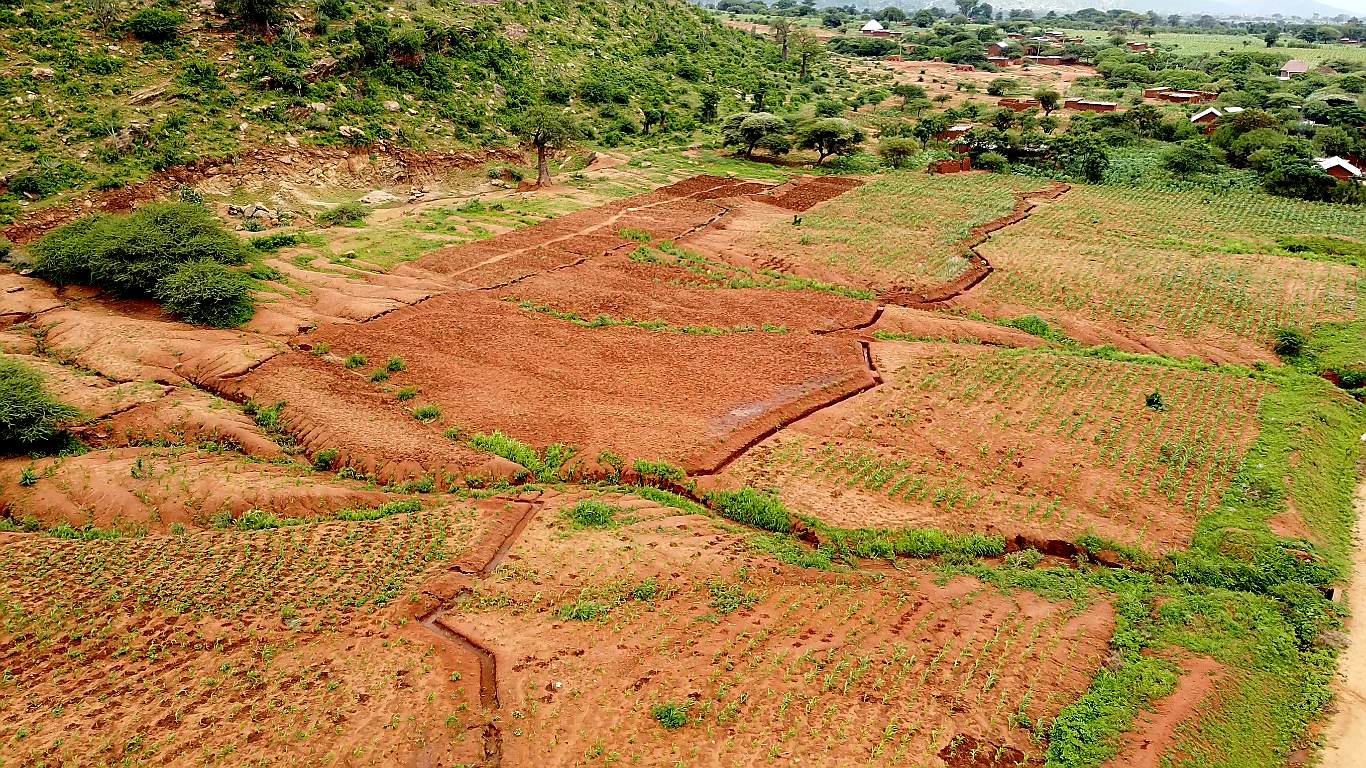
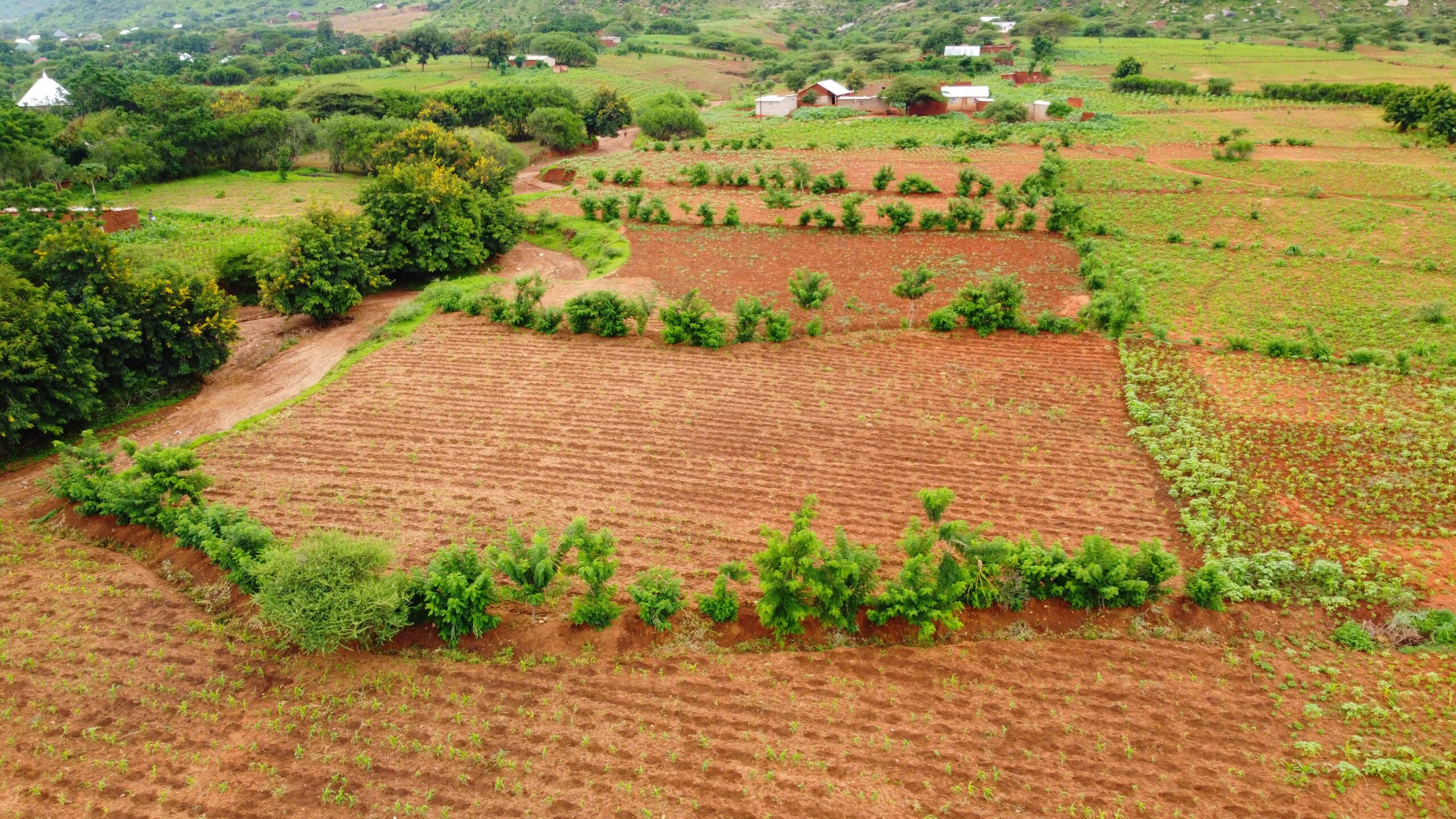
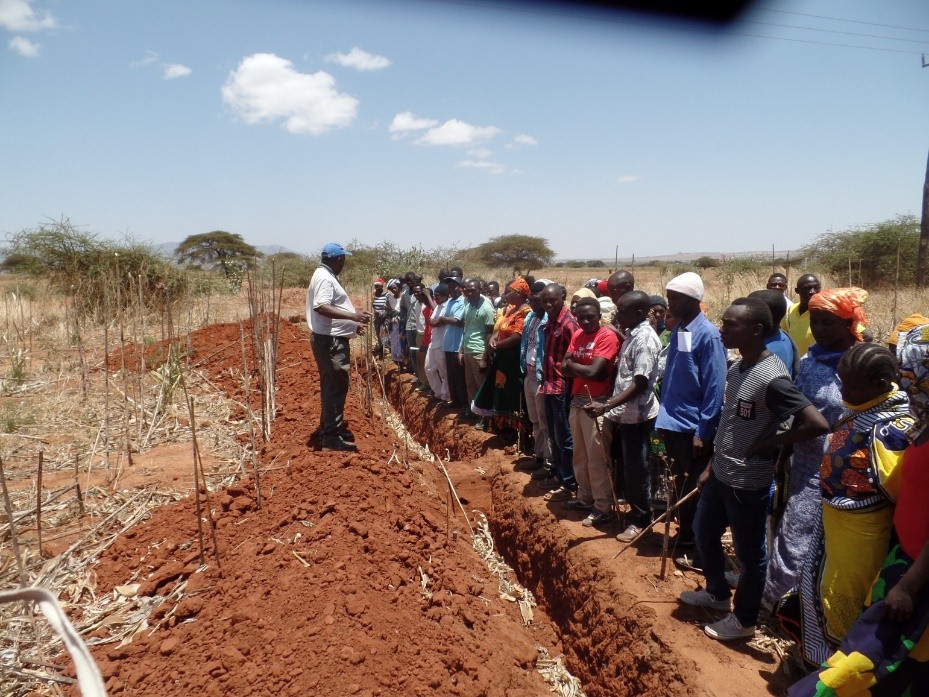
On the second day, delegates visited restored gullies and terraces in Sagara village and fodder and livestock-feeding demonstrations in Mlali village, both in Kongwa.
A Landscape Under Pressure
For generations, livestock keepers in central Tanzania fed their animals on crop residues and natural grasses after harvest.
As rainfall became more erratic and dry spells longer, that system began to fail. Grazing land shrank, pasture quality fell and many herders struggled to keep their animals alive through the dry season.
Kongwa and Mpwapwa, in Dodoma Region, were hit especially hard. Farming there focused almost entirely on food and cash crops, with little land set aside for animal feed.
Milk yields stayed low and animal health suffered. At the same time, soil erosion, falling fertility and invasive species were eating into crop yields.
Africa RISING Lays The Foundation
The Africa Research in Sustainable Intensification for the Next Generation (Africa RISING) programme was funded by the United States Agency for International Development (USAID) under its Feed the Future initiative. In Tanzania it was led by the International Institute of Tropical Agriculture (IITA), working with the International Livestock Research Institute (ILRI), the International Crops Research Institute for the Semi-Arid Tropics (ICRISAT), the International Maize and Wheat Improvement Center (CIMMYT) and national partners.
In the central zone, its research sites included Kongwa and Kiteto districts.
“Africa RISING was a multidisciplinary research-for-development project that focused on the sustainable intensification of mixed farming systems,” said Professor Anthony Whitbread of ILRI.
Farmers were introduced to soil and water techniques such as tied ridges, hardpan breaking and terracing, and to revegetation of degraded land.
Legumes were worked into cropping systems to restore soil fertility. For livestock keepers, demonstration plots and fodder banks showed how to grow improved forages, while training covered feed formulation and better use of crop residues. In Kongwa, farmers reported less soil erosion and higher crop yields.
ResComm Takes The Work Further
ResComm, in full Enabling a resilient and prosperous community through participatory agroecological practices in the semiarid region of central Tanzania, was designed to build on those gains and extend them to Mpwapwa.
Its first phase (2021–2023) was supported by the World Bank-funded Accelerating Impacts of CGIAR Climate Research for Africa (AICCRA) programme, the CGIAR Research Program on Water, Land and Ecosystems, and the Biovision Foundation.
ResComm II was launched in Lengaji village, Kongwa, in April 2024 and runs to the end of 2026. It is funded by the Biovision Foundation and the Liechtenstein Development Service (LED), and led by ILRI with ICRISAT, TARI, TALIRI and Sustainable Agriculture Tanzania (SAT).
Farmers have taken up farmer-managed natural regeneration, rainwater harvesting, conservation agriculture and fanya juu and fanya chini terraces.
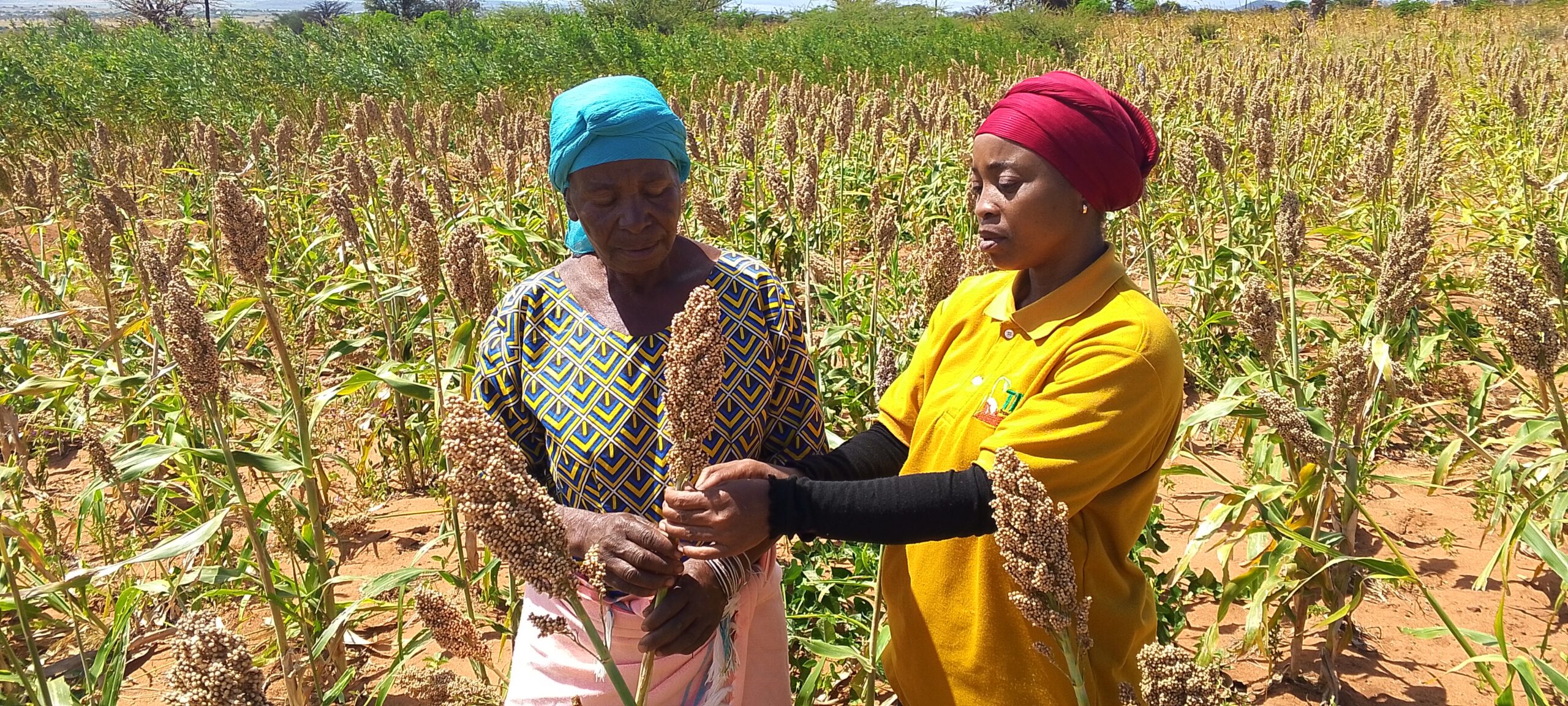
Drought-tolerant varieties such as Macia sorghum, Situka maize and Mali pigeon pea have been introduced, and lead farmers have been trained to produce Quality Declared Seed with support from the Tanzania Official Seed Certification Institute (TOSCI).
The programme has also promoted fodder trees such as Gliricidia sepium and Leucaena pallida, which improve soil and supply dry-season feed, and has piloted a cloud-based advisory service that sends farmers location-specific weather and farming information.
“For many years, farmers relied on traditional seed varieties that produced low yields. The project introduced improved varieties that are better suited to local climatic conditions,” said Peter Ngowi, Senior Scientific Officer for Natural Resource Management at ICRISAT.
Feed Through The Dry Season
The biggest change for herders has come from forage. Farmers have been trained to grow high-quality grasses alongside food crops, including the Brachiaria hybrids Cobra, Cayman and Mulato II, Juncao grass, Sugar Graze and buffel grass (Cenchrus ciliaris). Sugar Graze, a forage sorghum, has done particularly well in semi-arid conditions. Farmers cut, chop and seal it in silo pits to make silage for the dry months.
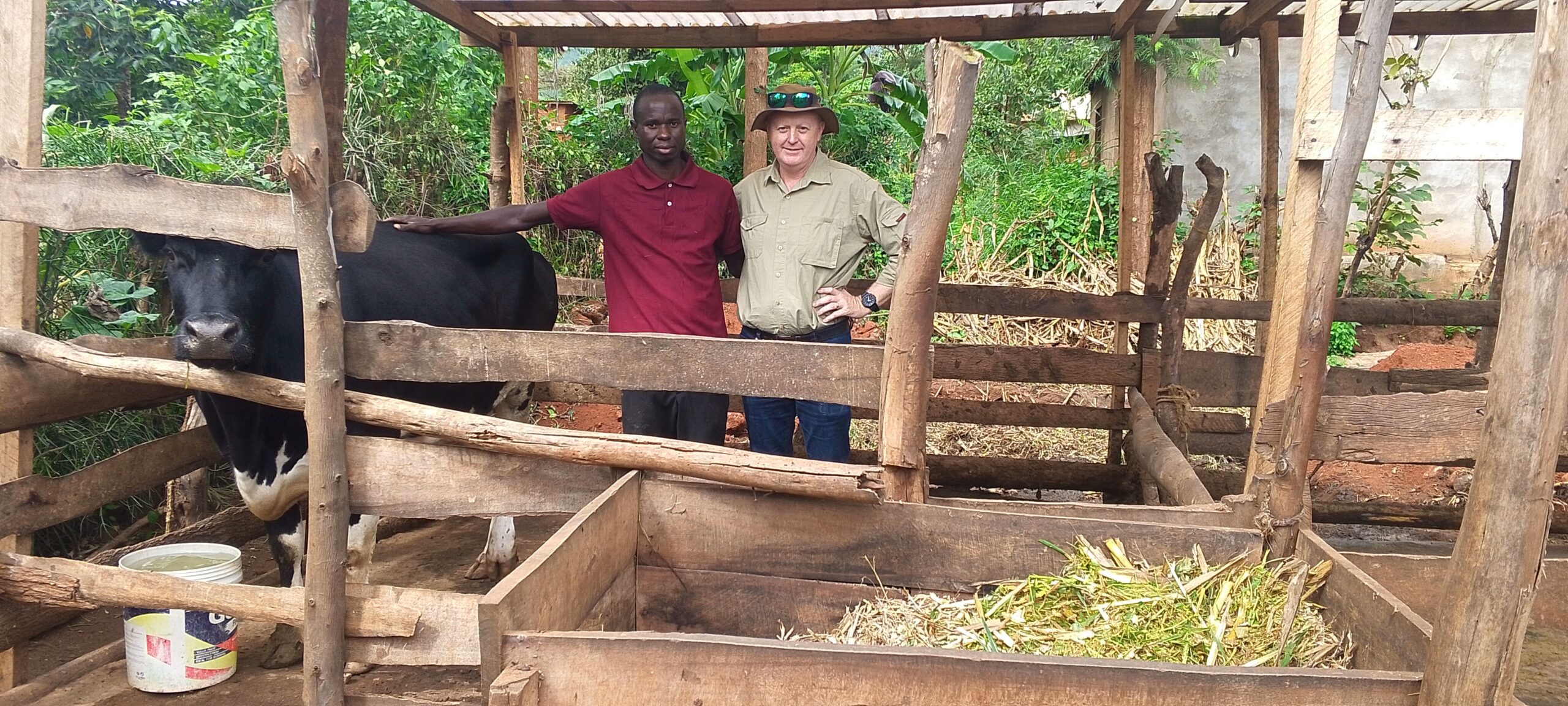
The programme has also supported 54 pastoralist households with improved crossbred dairy cattle.
Ramadhani Ngiriye of Mlali village keeps five cattle. He now grows one acre of Sugar Graze and has made more than five tonnes of silage.
“Before the project, I travelled long distances searching for animal feed. Today, I produce and store enough fodder using silo pits and can feed my cattle throughout the year,” he said.
Some farmers now sell surplus fodder. Eliya Lumambo says reliable feed has lifted his milk output to about ten litres a day.
Young People And Poultry
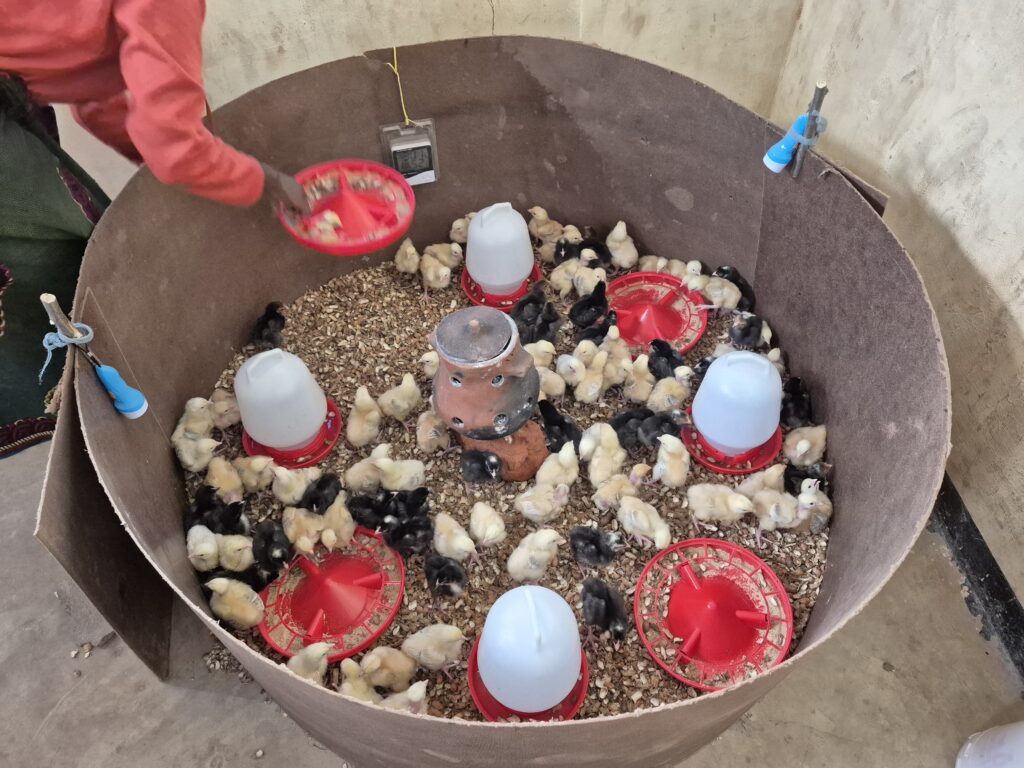
In Kongwa, SAT has trained young people in poultry housing, feed formulation, organic pest control and running a business. About 140 youths are now involved, and 2,800 improved birds have been distributed through youth enterprises.
The project has also linked poultry keepers and seed producers with buyers.
From Pilots To Policy
Addressing participants, Dr Fabian Madele, Deputy Permanent Secretary in the Ministry of Livestock and Fisheries, said the programme had delivered measurable results for both crops and livestock.
He thanked the Biovision Foundation and the Liechtenstein Development Service for their support.
He noted that ILRI and TALIRI had trained livestock keepers in forage conservation, helped set up fodder banks and promoted fodder trees, and that Kongwa District had adopted local by-laws to curb land degradation and manage grazing.
Participants Named Six Barriers To Scaling:
Participants identified weak coordination among agencies, poor access to inputs, finance and markets, and high labour requirements and costs, especially for women and youth, as barriers to scaling. They also highlighted limited private-sector involvement and weak enforcement of by-laws and land-use plans.
They called on government to build integrated landscape approaches into national agriculture and livestock programmes and to copy Kongwa’s participatory by-law model elsewhere. Research institutions were asked to keep Kongwa and Mpwapwa as learning sites and produce investment cases.
Development partners and private firms were urged to finance scaling and expand seed, forage, feed and mechanisation services.
Agreed next steps include district-level coordination platforms, a practical scaling roadmap and a full impact assessment of ResComm, modelled on the one done for Africa RISING.
The symposium closed on a shared view: Tanzania already has the technologies and experience to restore its drylands.
What it needs now is the coordination and long-term commitment to take them to scale. For farmers such as Ngiriye, the case is already made.