



Tanzania Now Targets 500bn/- Dairy Sector Overhaul To Boost Value Addition, Empower Small-Scale Farmers

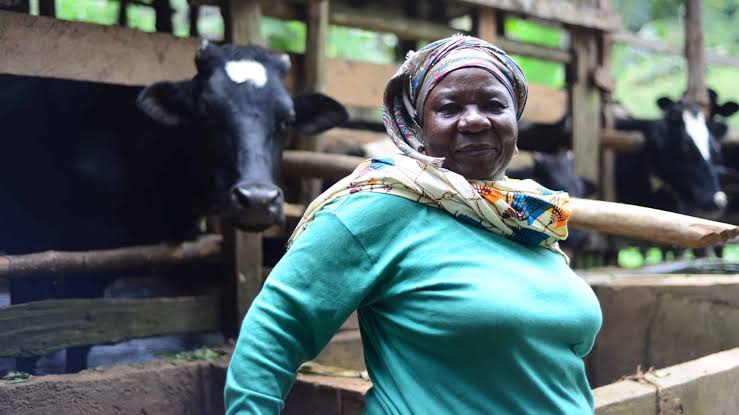
Tanzania’s dairy sector currently has the capacity to produce 4.22 billion litres of milk annually, against national demand estimated at 13 billion litres, leaving a deficit of 8.78 billion litres.
This significant gap between supply and demand presents enormous investment opportunities in the dairy industry to increase production, meet growing consumer demand and enhance the sector’s contribution to the national economy.
Beyond its economic potential, milk consumption also offers numerous health benefits, according to health experts.
However, the persistent deficit of 8.78 billion litres in Tanzania’s milk supply has negative implications for consumers and the country’s nutritional status.
Statistics from the Tanzania Dairy Board (TDB) indicate that milk consumption in the country currently stands at between 70.5 and 71 litres per person annually, significantly below the 200 litres per person per year recommended by the Food and Agriculture Organization (FAO) and the World Health Organization (WHO).
To address this situation, the government has been implementing various strategies, with support from different international development partners.
Among the key initiatives is the Faida Maziwa Project, a €3 million (approximately 7bn/-) initiative implemented by the Tanzania Livestock Research Institute (TALIRI) in collaboration with Ireland’s Agriculture and Food Development Authority (TEAGASC) and Moorepark Research Centre, with funding from the Irish Embassy in Tanzania.
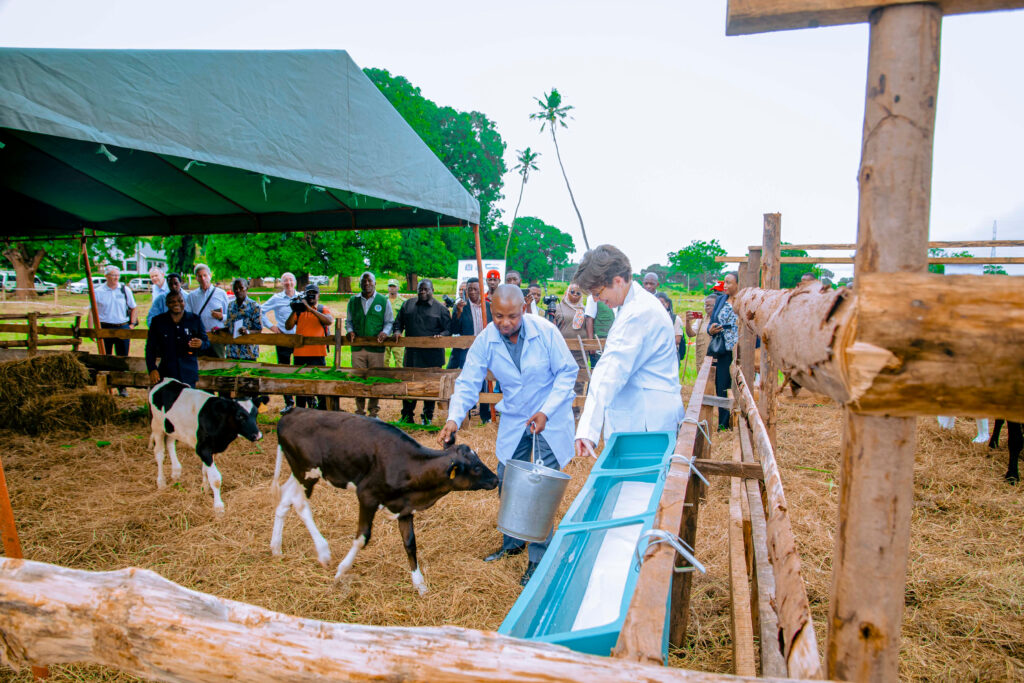
The initiative, among other objectives, seeks to strengthen the entire dairy value chain by equipping Tanzanian dairy experts and farmers with knowledge and skills in improved forage production, grassland research systems and the application of research-based innovations in dairy farming.
Furthermore, it promotes sustainable grassland management, advisory services and farmer education programmes, particularly targeting smallholder dairy farmers.
Since its inception, the project has directly benefited more than 3,000 women and young people in Tanzania’s eastern coastal belt, particularly in Muheza District, Tanga Region.
Another key initiative introduced by the government to boost the performance of the dairy sector is the 174.3-million-US-dollar Climate-Smart Dairy Transformation Project (C-SDTP), which seeks to address the persistent shortage of quality pasture seeds in Tanzania.
The project is also expected to contribute to improved livestock productivity, climate resilience and environmental conservation.
Earlier last week (November 1–7), the government announced another major initiative, committing more than 500bn/- to the Dairy Sector Transformation and Climate Change Project, aimed at expanding the dairy value chain and improving the livelihoods of small-scale livestock farmers.
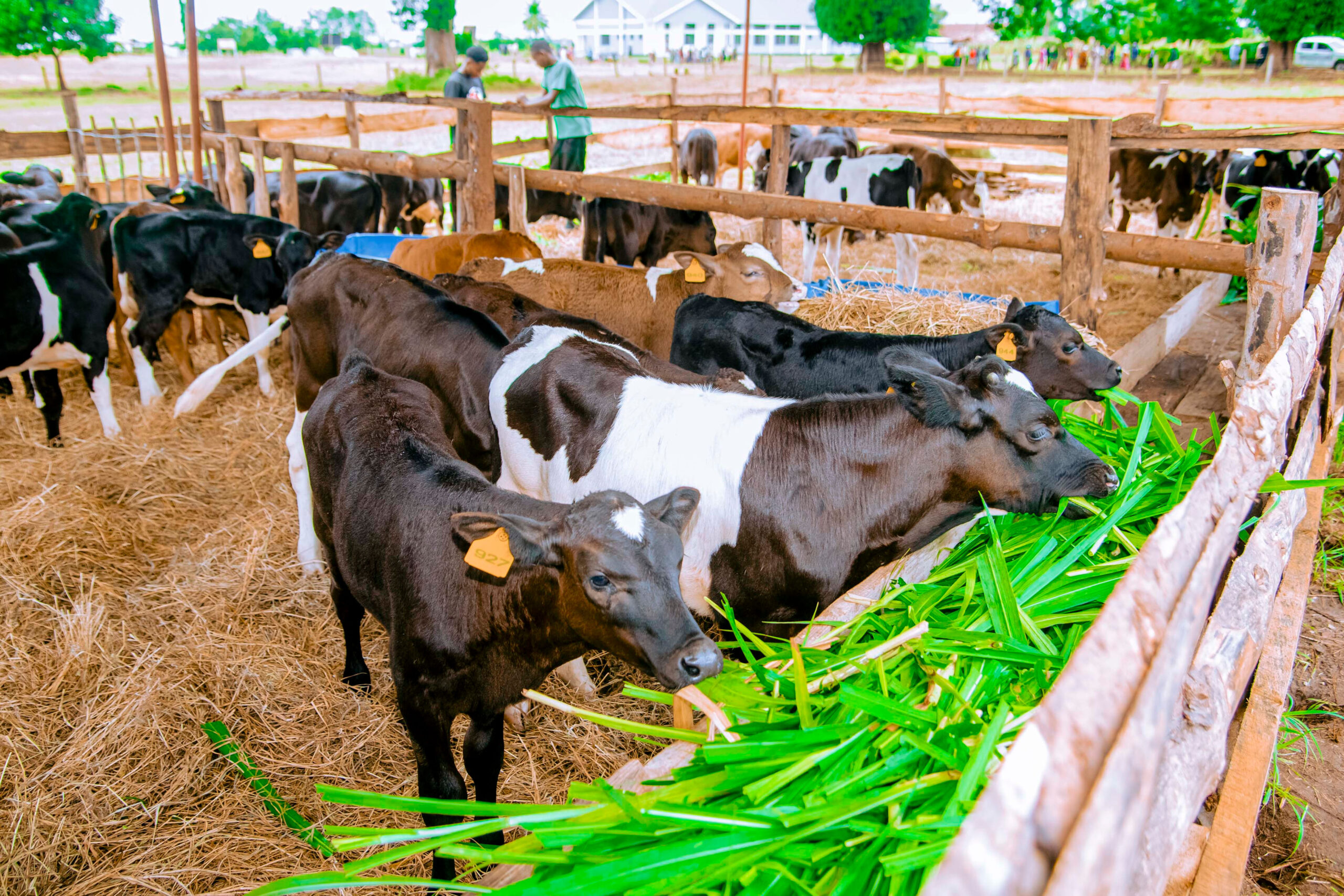
Speaking in Dodoma on November 6, 2026, during a meeting with the Parliamentary Standing Committee on Industries, Trade, Agriculture and Livestock, Deputy Minister for Livestock and Fisheries Ngw’asi Kamani said the investment was intended to economically empower small-scale farmers and promote the dairy industry through the construction of more than 200 milk collection centres.
Mr Kamani said the government had provided motorcycles and vehicles to livestock extension officers in all project implementation areas to enable them to reach small-scale farmers, who will be supplied with dairy cattle, and provide the necessary technical support to improve productivity.
For her part, Committee Chairperson Mariam Ditopile said the project would promote the dairy industry and enable farmers who currently sell milk in water bottles to transform their businesses through increased value addition to milk and dairy products.