



Black Rhino Attracts Increased Tourist Traffic to Northeastern Tanzania’s Mkomazi National Park

In 2021, Mkomazi National Park, which spans Same District in the Kilimanjaro Region and Lushoto District, received 3,000 visitors.
However, within five years, the number of visitors to the park, nestled below the slopes of the Pare and Usambara Mountains, with views of Mount Kilimanjaro to the northwest, increased to 10,000.
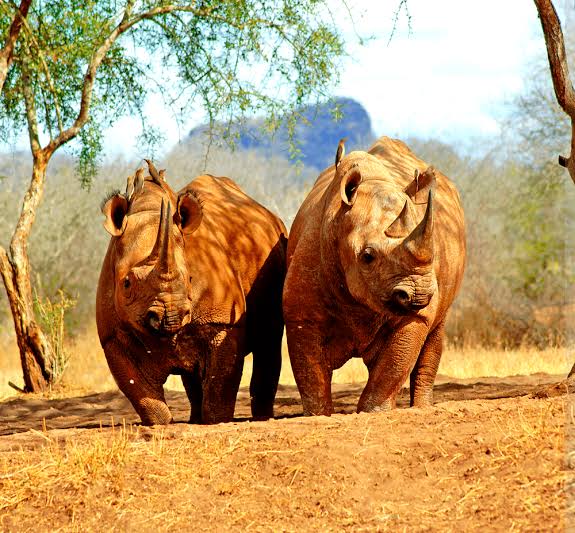
Directly contiguous with Kenya’s Tsavo West National Park, forming part of the larger Greater Tsavo Ecosystem, Mkomazi National Park is renowned for the presence of the black rhino.
The black rhinoceros (Diceros bicornis) is a critically endangered African mammal known for its pointed, hooked upper lip, which it uses to browse on leaves, branches and shrubs.
Briefing on tourism developments at Tanzania’s famous attraction, the Chief Park Warden and Head of Mkomazi National Park, Assistant Commissioner for Conservation (ACC) Ms Eva Mallya, said the increase was largely driven by travellers seeking opportunities to see black rhinos, which are among the park’s major attractions.
She said the black rhino tourism programme was launched in 2021 as part of efforts to increase the population of the species, which faces the risk of extinction.
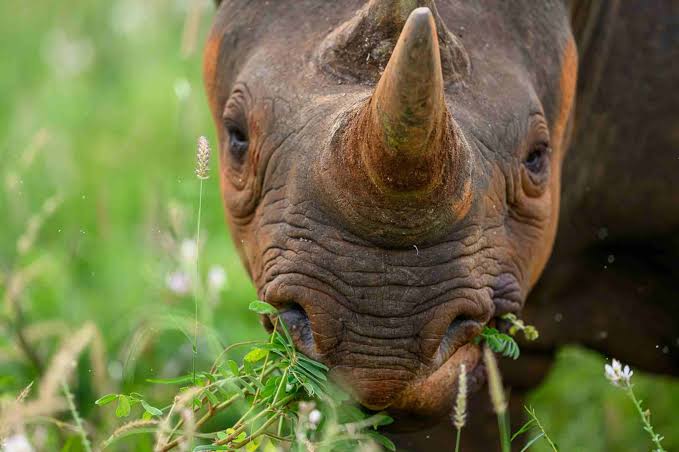
“In addition to the presence of other types of wildlife in MKONAPA, the number of tourists has increased over the past few years, driven largely by public interest in its special black rhino conservation and breeding zone,” she said.
Ms Mallya said the park had promoted the attraction through the slogan, “Come to Mkomazi National Park, you are 99 per cent guaranteed to see a Rhino.”
The campaign highlights visitors’ opportunities to view the animals at close range and take photographs.
Beyond black rhinos, she said, Mkomazi offers a variety of wildlife attractions, including African wild dogs, gerenuks, elephants, lions, leopards, buffaloes and giraffes.
“The park is also home to more than 450 bird species, providing additional opportunities for wildlife enthusiasts and birdwatchers. Visitors can participate in day and night game drives, walking safaris, photography tourism and camping, activities that diversify the park’s tourism experiences,” Ms Mallya said.
The growth in visitor numbers demonstrates the importance of linking wildlife conservation with tourism while providing visitors with opportunities to experience the park’s distinctive biodiversity.