



Tanzania Launches Research Programme To Improve Its Rare, Dual- Purpose Mpwapwa Cattle Breed

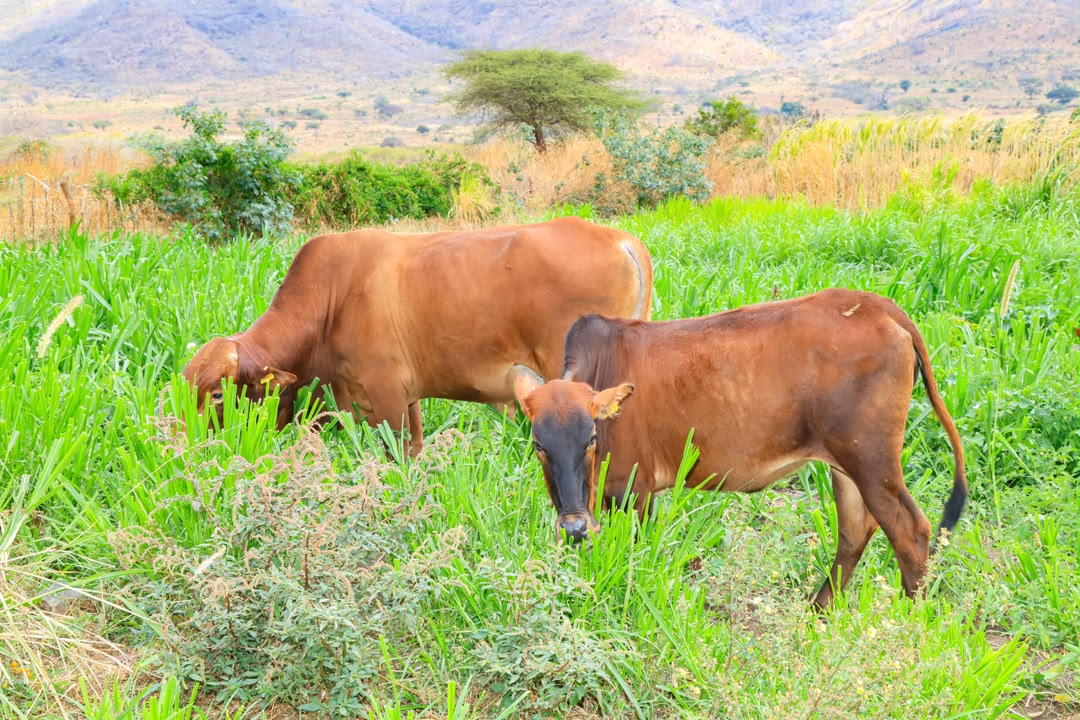
Tanzania is working to make a historic milestone in the country’s livestock industry through initiatives targeting improvements in both the beef and dairy sectors.
Tanzania’s cattle population has reached approximately 40.57 million heads, according to recent 2026 updates from the Ministry of Livestock and Fisheries.
These statistics place Tanzania as the country with the second-largest cattle population in Africa, after Ethiopia, ranking it among the leading cattle-producing countries globally.
In further efforts to heightening performance of the milk and meat hatching sector, the government of Tanzania has initiated a tailor- made program to improve Mpwapwa cattle breed.
The Mpwapwa is a rare, synthetic dual-purpose cattle breed developed in Tanzania for milk and beef production in semi-arid and low- to medium-input farming systems.
The initiative, implemented by the Tanzania Livestock Research Institute (TALIRI) focuses to increase milk production from the current average of five to eight litres per day to as much as 15 litres, with the goal of meeting farmers’ needs and enhancing productivity in the country’s dairy sector.
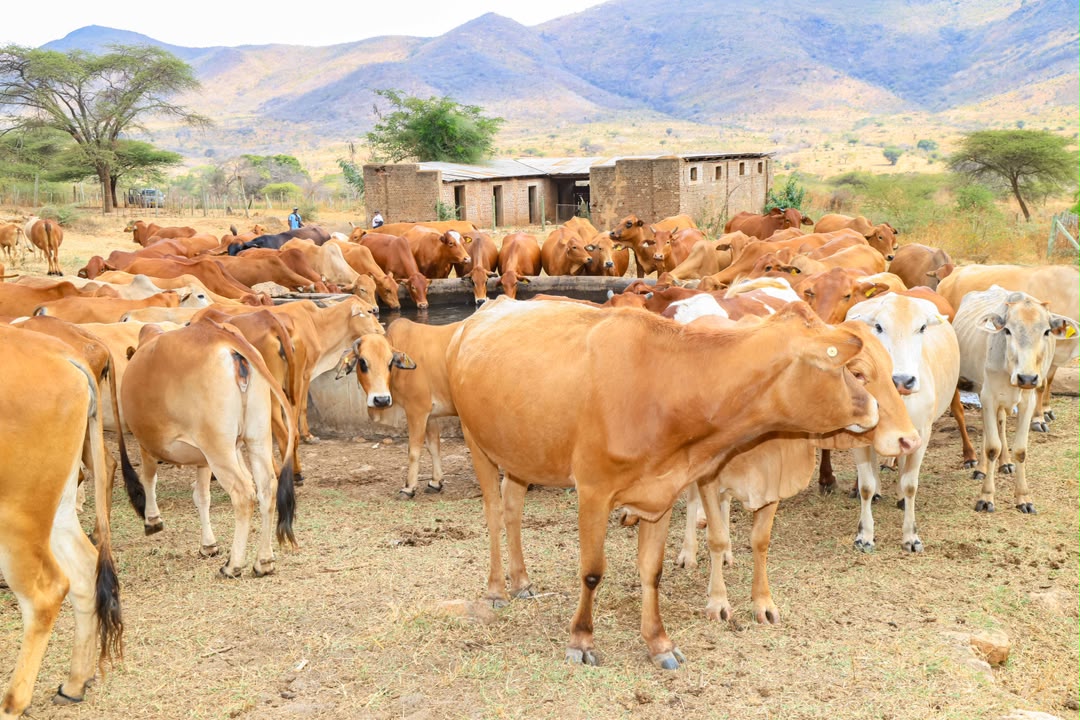
Implementation of the program surfaces in response to the growing public interest, particularly among livestock keepers, in seeing the Mpwapwa cattle breed, developed by TALIRI.
Moreover, the other vision is to increase the Mpwapwa breed milk production while retaining its essential characteristics of drought and disease resistance.
Detailing over the research program, TALIRI Central Zone Director, Dr Mwemezi Kabululu, said the research aims to develop crossbred cattle with a higher milk production capacity than the existing Mpwapwa breed.
He said that, as part of the programme, TALIRI, through its research centre in Mpwapwa, Dodoma Region (TALIRI Mpwapwa), has conducted artificial insemination on Mpwapwa cattle using semen from the Danish Red cattle breed, a dairy cattle breed from Denmark.
According to Dr Kabululu, the programme aims to develop two types of crossbred cattle: one with a higher proportion of Danish Red genetics and the other with a greater proportion of Mpwapwa genetics.
He explained that the strategy is intended to meet the needs of different categories of livestock keepers, taking into account their capacity to care for the animals, particularly in terms of pasture availability, nutrition and farming conditions.
“Preliminary research findings have shown that, in the first generation, we have obtained cattle capable of producing up to 15 litres of milk per day,” Dr Kabululu said.
He added that improving the Mpwapwa cattle breed aims to increase milk production without compromising the fundamental characteristics that informed its development, including drought tolerance, disease resistance and adaptability to livestock production systems used in different parts of the country.
The Mpwapwa cattle breed was developed to meet the needs of livestock keepers operating in drought-prone areas, particularly in Tanzania’s Central Zone.
In addition to withstanding harsh environmental conditions, the breed can be used for both beef and milk production, while its rapid growth enables it to attain considerable body weight within a relatively short period.
Furthermore, the breed produces an average of five to eight litres of milk per day, a level that is relatively high compared with many indigenous cattle breeds, which produce approximately one to two litres daily.
Another important characteristic of the Mpwapwa breed is its relatively low maintenance requirements compared with many modern cattle breeds.
This makes it suitable for traditional livestock production systems, provided that essential animal husbandry services, including adequate nutrition and water, are available.
Through the research programme, TALIRI aims to improve milk production, increase livestock keepers’ incomes and contribute to the country’s milk supply, while continuing to strengthen the application of research technologies that take into account Tanzania’s environmental conditions and the practical needs of its livestock farmers.