




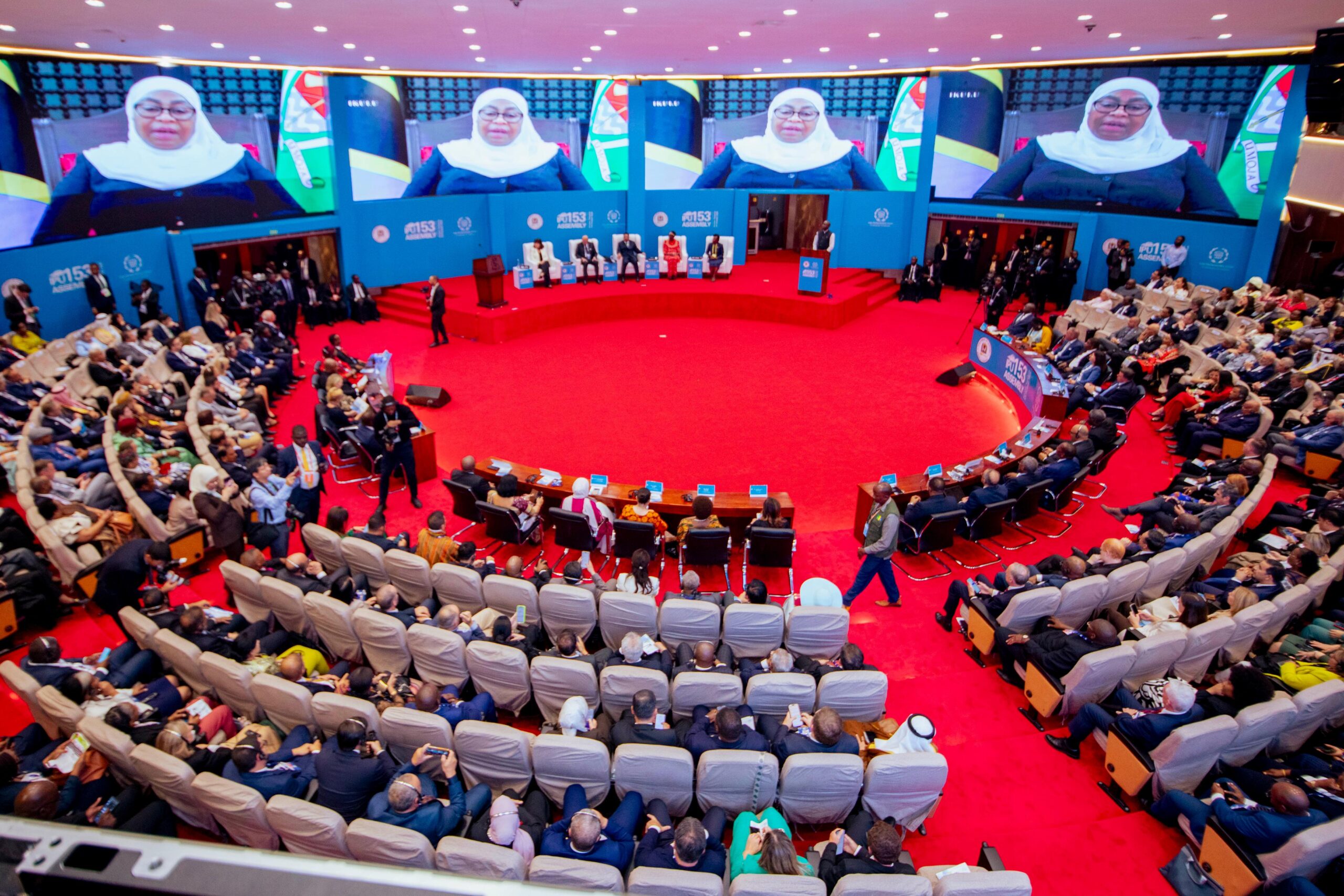
The Inter-Parliamentary Union (IPU) has warned that violence, intimidation and emerging technology-driven forms of abuse are threatening women’s participation in political decision-making, calling for stronger measures to create safer and more inclusive political systems.
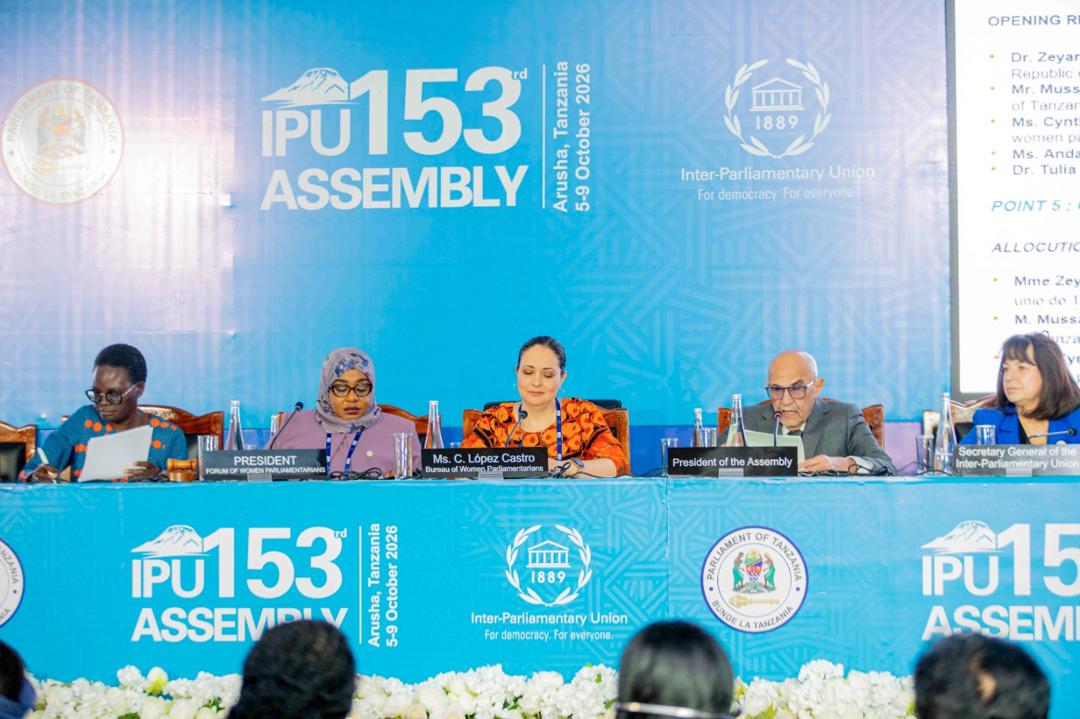
The warning was issued during the Forum of Women Parliamentarians held alongside the ongoing 153rd Inter-Parliamentary Union (IPU) Assembly in Arusha, where IPU President Dr Tulia Ackson and IPU Secretary General Anda Filip urged lawmakers to turn commitments on gender equality into concrete action.
Ms Filip said ending violence against women in politics was essential to achieving equal participation in public life, cautioning that technology was creating new forms of abuse that could undermine women’s political careers and public participation.
She specifically pointed to sexualised deepfakes, which she said could be produced and distributed within minutes, exposing women to increasingly sophisticated forms of online harassment and abuse.
She called for measures to prevent such abuse, ensure harmful content is removed quickly, support survivors and hold perpetrators and digital platforms accountable.
Ms Filip also urged governments and parliaments to strengthen democratic oversight and promote responsible regulation of artificial intelligence as technology continues to evolve.
IPU President Dr Ackson said gender equality should not be measured solely by the number of women occupying parliamentary seats, but by whether women have equal access to political power and can exercise leadership without fear, intimidation, harassment or abuse.
She challenged lawmakers to examine who occupies leadership positions, who receives political opportunities and who is able to speak freely, urging them to confront political and social norms that continue to create unequal opportunities for women and men.
“You are already in a position of power. Act,” she said.
Dr Ackson further urged parliamentarians to take commitments and resolutions adopted at international forums back to their respective legislatures and translate them into laws and practical measures.
She stressed that achieving gender equality requires the involvement of men, noting that meaningful progress cannot be achieved by women alone.
Dr Ackson also called for greater inclusion of young women, women from marginalised communities and women with disabilities in political decision-making processes.
National Assembly Speaker Mussa Hassan Zungu said women currently account for 39.5 per cent of Tanzania’s Parliament, but acknowledged that numerical representation alone was not enough to guarantee meaningful participation in governance.
“Good governance requires the equal participation of women,” he said.
The discussions in Arusha come amid growing calls for political institutions to move beyond increasing the number of women in elected positions and address the structural, social and technological barriers that continue to limit women’s effective participation in public life.