



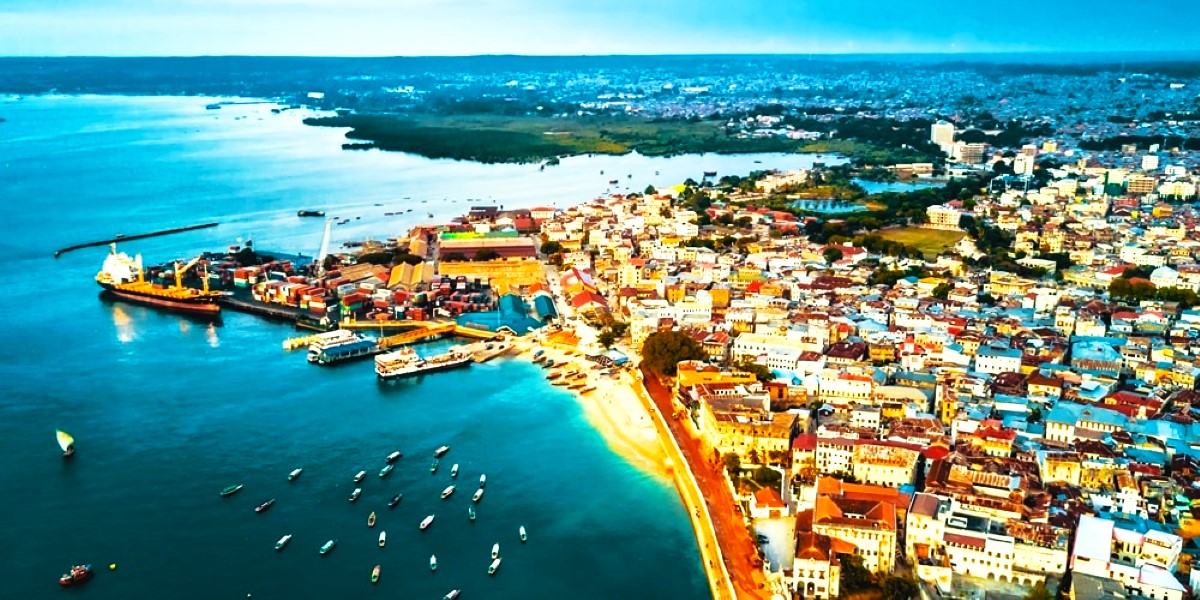
Authorities in Zanzibar have issues behavioral guidelines and dress codes to rule on the clove islands during the forthcoming 30 days of Islamic Ramadhan fasting season.
The list of ‘Dos’ and ‘Don’ts,’ in the isles was issued in Zanzibar just as the annual fasting season for Muslims kicks off between Tuesday, the 17th and Wednesday the 18th of February 2026.
The 30 fasting days will culminate with the Eid El Fitr holidays, expected to be observed between Friday, the 20th and Saturday, the 21st of March 2026 depending on the sighting of the moon.
Meanwhile the code of conduct directives during the Ramadhan month includes respectable dressing in public, which means skimpy and revealing attires such as the two-piece swimsuit for women (Bikinis) are prohibited on the Islands, throughout the fasting season.
The Zanzibar Commission for Tourism (ZCT) recently released an official notice informing all stakeholders in the Island’s tourism industry that the Holy Month of Ramadan is a sacred period and that both locals, guests and foreign visitors need to adjust to the situation accordingly.
“Ramadhan is a holy month observed by the majority Muslim community in Zanzibar, marked by fasting, prayer, reflection, and respect for religious and cultural values,” reads part of the statement from the Ministry.
“To ensure social harmony and responsible tourism during Ramadan 2026, all tourism businesses, operators, and visitors are requested to observe a number of guidelines, including closing public restaurants and other street food outlets during daytime,” the directive stated.
It means that all restaurants and food outlets outside hotel premises must remain closed during daylight hours and reopen after sunset (Iftar).
On the other hand, Food and beverage services within big hotels and similar establishments should be limited to only to the guests in the properties and provided within the premises only.
Essentially, eating, drinking, or smoking in public during the day is restricted throughout the 30 days of fasting.
Meanwhile modest dress is expected in public areas and in connection with that, beachwear or revealing clothing should be restricted to beaches and within the hotel compounds.
The Zanzibar Commission for Tourism has directed the tour operators and hoteliers on the Unguja and Pemba Islands to inform their respective staff and guests about the new developments and display the official notice from the ministry where appropriate.
At least 98 percent of the Zanzibar Population is Muslim.