



Tanganyika District Citizens Reap Carbon Trading Benefits To Fund Community Development Projects

Efforts by the Tanzanian government to generate economic benefits from the carbon trading sector continue to yield impressive results, as an increasing number of citizens venture into the sector and reap its benefits.
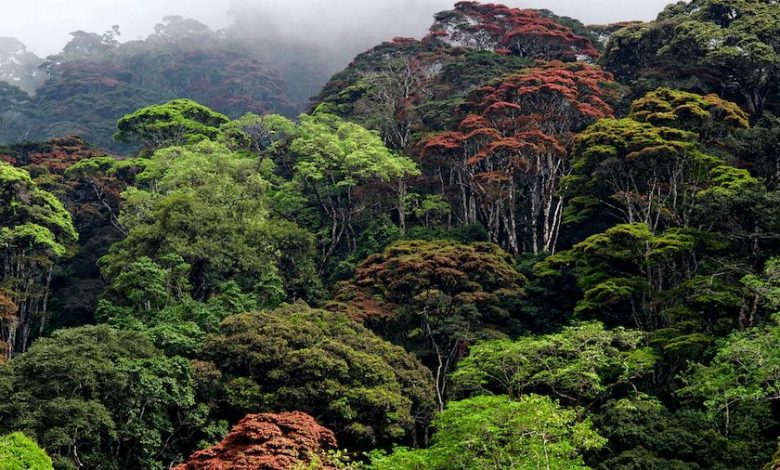
Tanzania is endowed with approximately 48.1 million hectares of forests, offering vast opportunities for carbon trading through conservation projects, efforts to reduce deforestation, tree planting and the restoration of degraded areas.
In Tanganyika District, located in the Katavi Region of western Tanzania, citizens are successfully engaging in carbon trading, with proceeds from the environmentally based business helping to finance the construction of a modern dispensary in the Kutuma area.
During a briefing after paying a special visit to inspect progress on the construction of the health facility, the Minister of State in the Vice-President’s Office (Union and Environment), Mr Hamad Masauni, said the government continues to create an enabling environment and put in place policies to encourage more Tanzanians to venture into the sector and benefit from its opportunities.
He outlined the strategies being implemented by the government to promote citizens’ participation in carbon trading.
These include raising public awareness, reviewing carbon trading regulations and policies, and strengthening the effective monitoring of the sector.
“The target is to attract more women and young people to participate in carbon trading through forest conservation, helping to support interventions aimed at reducing deforestation, planting trees and restoring degraded areas,” he said.
The minister noted that the ongoing strategies focus on strengthening the performance of carbon trading in Tanzania, thereby improving the livelihoods of Tanzanians committed to environmental conservation.
In their testimonies, some residents of the rapidly developing district said carbon trading was enabling them to meet their basic needs and mobilise financial resources to contribute to various socioeconomic development projects in their communities.
During the 2023/2024 financial year, Tanzania generated approximately 48 billion/- from four operational carbon projects.
Currently, the country is working towards the final stages of registering and operationalising a total of 82 carbon trading projects.
This important step highlights the country’s determination to tap into the economic opportunities available in the global environmental sector.
According to the Tanzania Forest Services Agency (TFS) Conservation Commissioner, Prof. Dos Santos Silayo, the carbon trading sector presents Tanzania with a valuable opportunity to integrate forest conservation, climate change mitigation and revenue generation within a single framework.
He observed that carbon trading does not mean selling forests; rather, it involves harnessing the ability of forests to absorb and store carbon dioxide from the atmosphere.
“A carbon credit is a unit of measurement that represents the amount of carbon dioxide emissions reduced or removed by a project,” he said.
He added that Tanzania should seize the opportunities presented by carbon trading by strengthening its capacity to assess proposed projects and agreements.
This would ensure that investors acquire rights relating only to carbon credits, while other resources available in the project areas remain protected in accordance with the law.
Apart from the opportunities available, he emphasised the need for Tanzania to consider opportunity costs, particularly when the use of land is changed to accommodate a carbon trading project.
He also highlighted the importance of controlling carbon leakage, whereby activities restricted in one area may be shifted to another, potentially continuing to contribute to forest degradation.
ABOUT CARBON TRADING PROJECTS IN TANGANYIKA DISTRICT
Tanganyika District in the Katavi Region of western Tanzania is one of the country’s most prominent and successful hubs for community-based carbon trading.
Key Projects & Partners
Ntakata Mountains Project: A flagship forest conservation initiative spanning over 200,000 to 300,000 hectares of miombo woodland and village forest reserves.
Carbon Tanzania: The primary social enterprise and private developer partnering with local village governments to measure emissions, protect forests, and market carbon credits.
Participating Villages: Local communities across multiple wards—including villages like Mpembe, Mwese, Katuma, Lugonesi, Kagunga, and Lwega—protect their local forests under long-term agreements (such as 30-year contracts).
Economic & Community Impact
Revenues Generated: The district and its participating villages have earned billions of Tanzanian shillings from carbon offsets—bringing in over TZS 14 billion in single-year periods (such as 2024), with cumulative earnings passing TZS 22.5 billion since the projects began.
Local Development: Carbon revenues flow directly back to the communities, funding the construction of local schools, health facilities, and providing community welfare and temporary employment opportunities.
Expansion Goals: The Tanganyika District Council has continued to scale its strategy, targeting even higher annual revenues (tens of billions of TZS) as national regulations under the National Carbon Monitoring Centre (NCMC) streamline the green market.