



Tanzania is now creating 150,000 Jobs for Youth Through Agribusiness and Livestock Enterprises

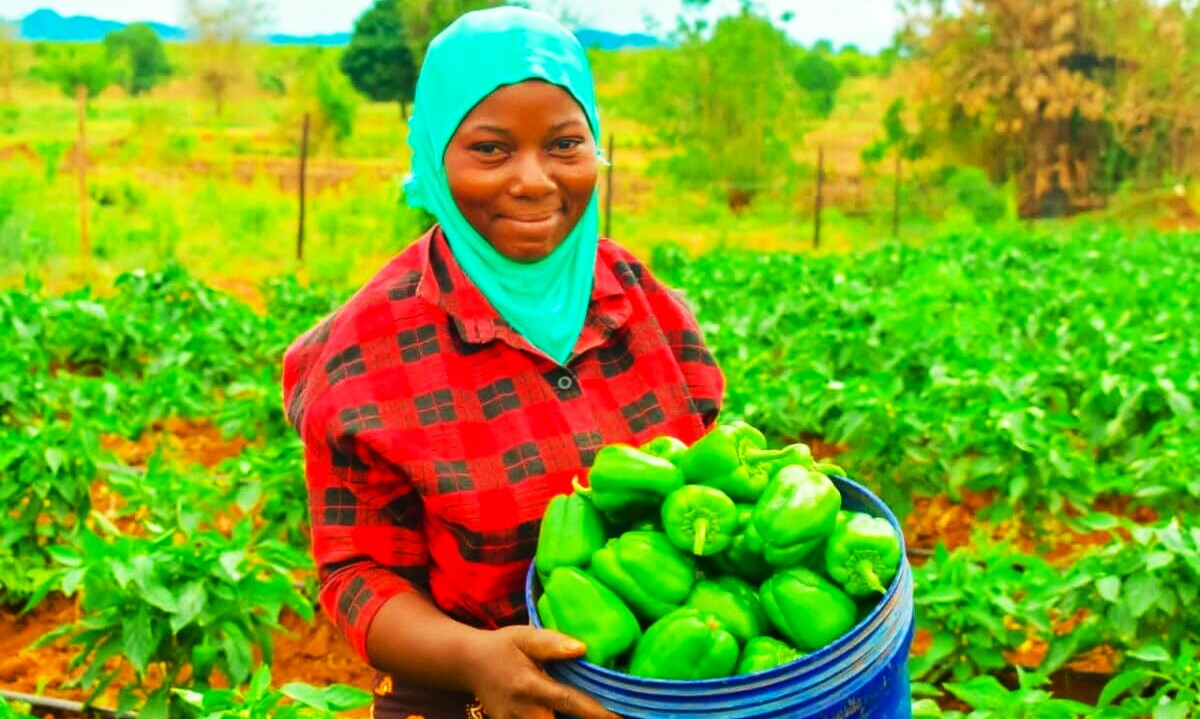
A total of 150,000 young people across Tanzania are set to be empowered with key skills and financial support to venture into agribusiness enterprises.
An ambitious project initiated by the Government of Tanzania with financial support from the African Development Bank (AfDB), worth US$129.71 million, aims to train and mentor about 11,000 young people through livestock business incubation and enterprise development programmes.
The Building a Better Tomorrow (BBT Project I) is a timely initiative that will also facilitate the establishment of more than 6,000 youth-owned agribusiness enterprises, creating an estimated 150,000 direct jobs across the agriculture and livestock sectors.
The programme has been designed to unlock employment opportunities in the agriculture, livestock and fisheries sectors in Tanzania while strengthening food security and accelerating the country’s economic growth.
According to the BBT Project Monitoring and Evaluation Specialist, Tumsime Mutta, the initiative was inspired by President Samia Suluhu Hassan’s vision of enabling young Tanzanians to tap into the vast opportunities available across the livestock value chain.
He noted that the programme will also develop approximately 43,500 acres of commercial cluster farms, supported by modern irrigation systems, rural access roads, youth accommodation facilities and climate-smart agricultural technologies to enhance productivity and resilience to climate change.
“The government has designed this initiative with the vision of transforming the agriculture and livestock sectors from subsistence activities into commercially viable businesses capable of creating sustainable employment and improving household incomes,” he said.
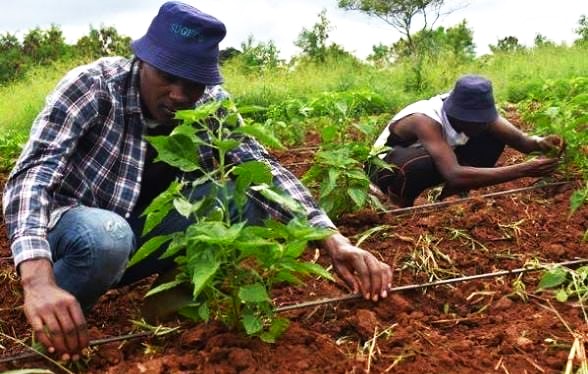
He identified other key development partners involved in the project’s implementation as the World Bank (WB), the International Fund for Agricultural Development (IFAD), AGRA, as well as commercial banks and private sector stakeholders.
As outlined in the project’s design, it will provide young entrepreneurs with access to affordable financing, strengthen their capacity to prepare bankable investment proposals, and connect them with investors, financial institutions and reliable markets through increased private sector participation.
Currently being implemented in the Dodoma and Mbeya regions, the project primarily targets unemployed youth, as well as those already engaged in livestock enterprises but constrained by limited access to capital and business development support.