




By Damas Makangale, Dar es Salaam
Africa must move beyond the stereotype that nuclear technology is primarily associated with warfare and recognise its potential to drive poverty reduction, improve healthcare, provide clean water, expand access to reliable electricity and accelerate socio-economic development, participants at the Russia–Africa Women’s Nuclear Forum 2026 have been told.
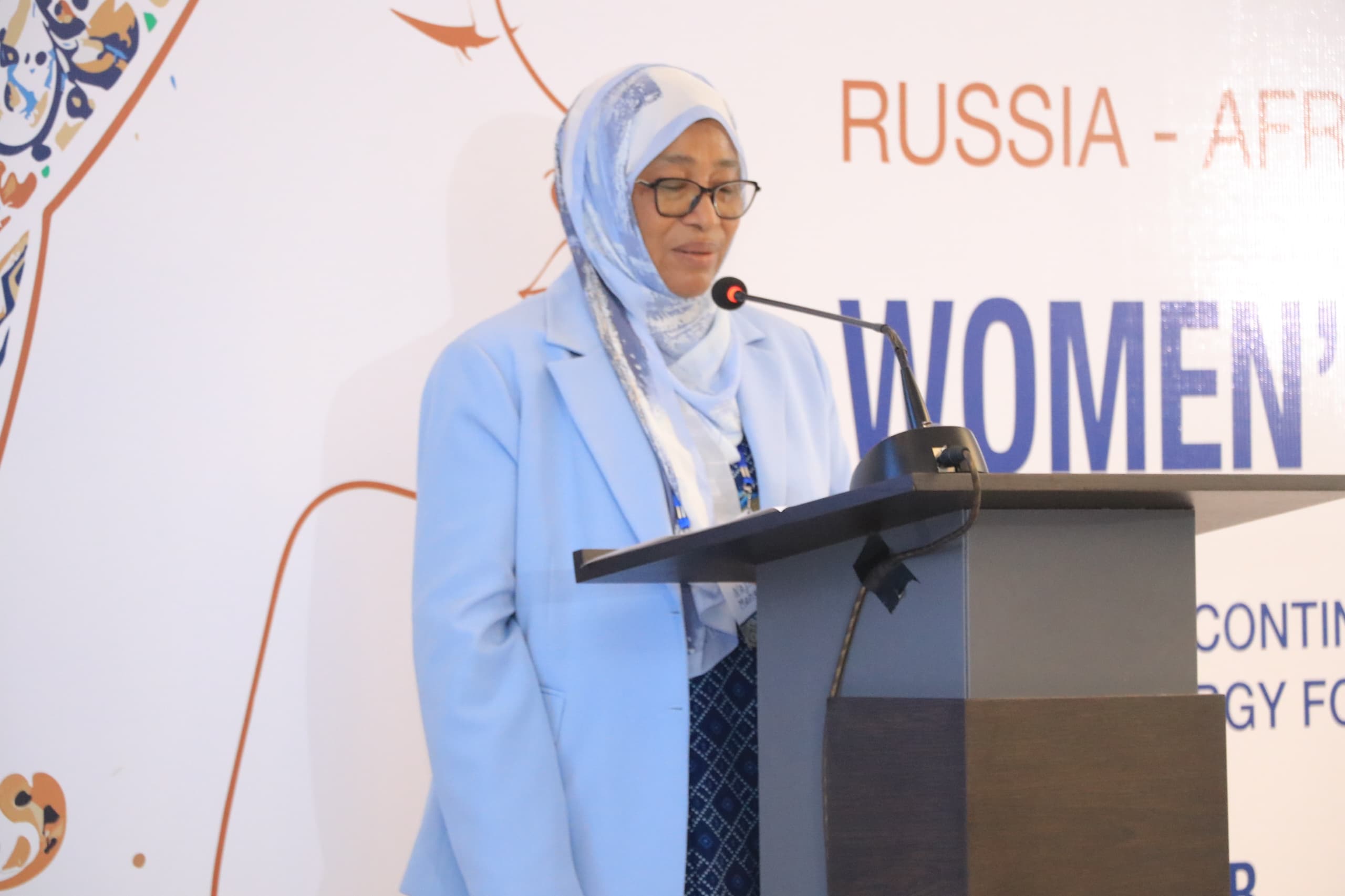
Speaking on behalf of the Permanent Secretary in the Ministry of Education, Science and Technology, Professor Carolyne Nombo, the Ministry’s Assistant Director of Science and Technology, Dr Harun Makandi, said nuclear technology offered significant opportunities to address the continent’s social and economic challenges.
He said nuclear science and technology should be viewed as instruments of national development rather than being associated exclusively with military applications or perceived hazards.
“It is the right time for scientists, policymakers, nuclear engineers and international development partners to share knowledge, best practices and experience to foster the development of nuclear technologies and their application in Africa,” Dr Makandi said.
He urged participants to ensure that the one-day forum went beyond discussions by translating the knowledge and skills exchanged into practical solutions at local, regional and international levels.
Dr Makandi said the forum aligned with Tanzania’s Development Vision 2050, which seeks to advance the country’s development ambitions by bridging the gap between scientific knowledge, policy and practical implementation.
He added that bringing together nuclear scientists, industry professionals and development partners would help challenge longstanding misconceptions about nuclear technology and strengthen its role in technological advancement and poverty reduction.
Women’s participation key to nuclear development
For her part, the Director General of the Tanzania Atomic Energy Commission (TAEC) and President of Women in Nuclear Tanzania, Professor Najat Mohammed, said the future of the energy sector depended not only on technological advancement and infrastructure but also on developing the human capital needed to sustain progress.
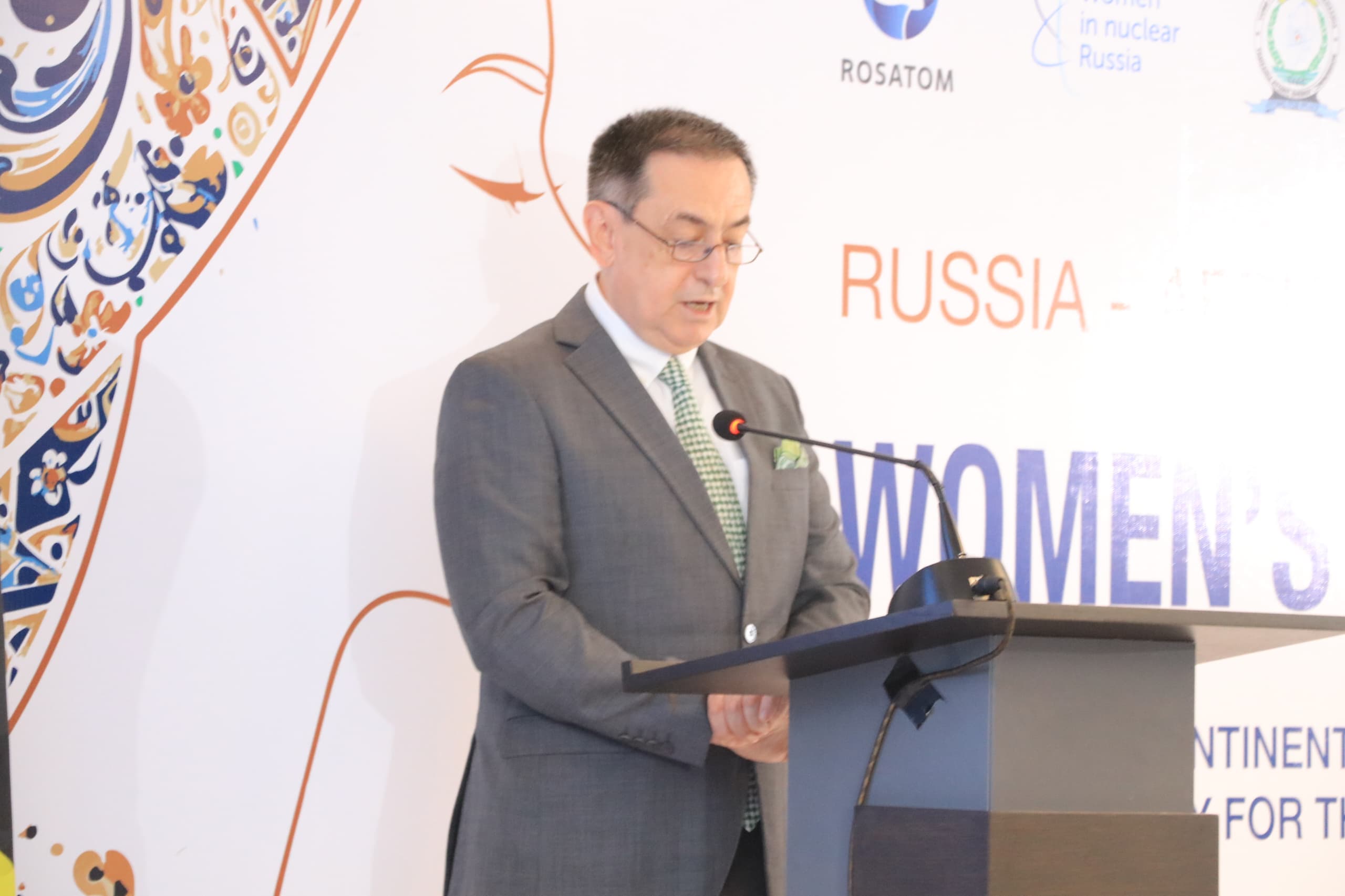
“Today, women make an important contribution to economies around the world and are becoming a driving force behind technological progress,” she said.
“Therefore, our main task is to create opportunities for women to develop and succeed in technology and innovation.”
Professor Mohammed said women were already contributing to nuclear projects, nuclear and radiation safety, healthcare, professional education and public policy.
She noted that Tanzania was continuing to develop its energy infrastructure, industrial capacity and high-technology sectors while pursuing its national goal of achieving universal access to electricity by 2030.
The country is also exploring the potential use of nuclear energy while expanding nuclear medicine, radiation technology and scientific research. These developments, she said, were creating growing demand for engineers, physicists, researchers and specialists in radiation safety and nuclear technology.
“Training such professionals takes time. Therefore, investment in education and professional development must go hand in hand with the development of technological infrastructure,” she said.
Professor Mohammed stressed the importance of ensuring that women participated throughout the process, from acquiring technical education to working in scientific and industrial institutions and contributing to decision-making.
Mkuju River project to strengthen local expertise
Professor Mohammed cited the Mkuju River uranium project, implemented by Mantra Tanzania, part of the Rosatom State Corporation’s Uranium One Group, as an example of Tanzania’s efforts to develop national technological capabilities.
She said the project, based on the Nyota uranium deposit, had an estimated mineral resource base of 58,500 tonnes of uranium and was expected to produce up to 3,000 tonnes of uranium product annually during commercial operations.
“In 2025, a pilot facility began operating at the project. In 2026, pilot uranium ore mining and processing activities are underway, alongside the completion of the design of the main production complex,” she said.
According to Professor Mohammed, the Mkuju River project is among Tanzania’s priorities for promoting sustainable socio-economic and technological development in the country’s southeastern region.
She also highlighted the contribution of Women in Nuclear Tanzania (WiN Tanzania), a professional network established with the support of TAEC to promote women’s participation in the nuclear sector.
At its launch in 2025, the network brought together approximately 70 women from different professional backgrounds. Its membership has since grown to 160, she said.
“Our goal is not only to increase the number of women working in technological fields, but also to create conditions for their professional growth, knowledge exchange, leadership development and advancement to decision-making positions,” Professor Mohammed said.
Russia–Africa cooperation
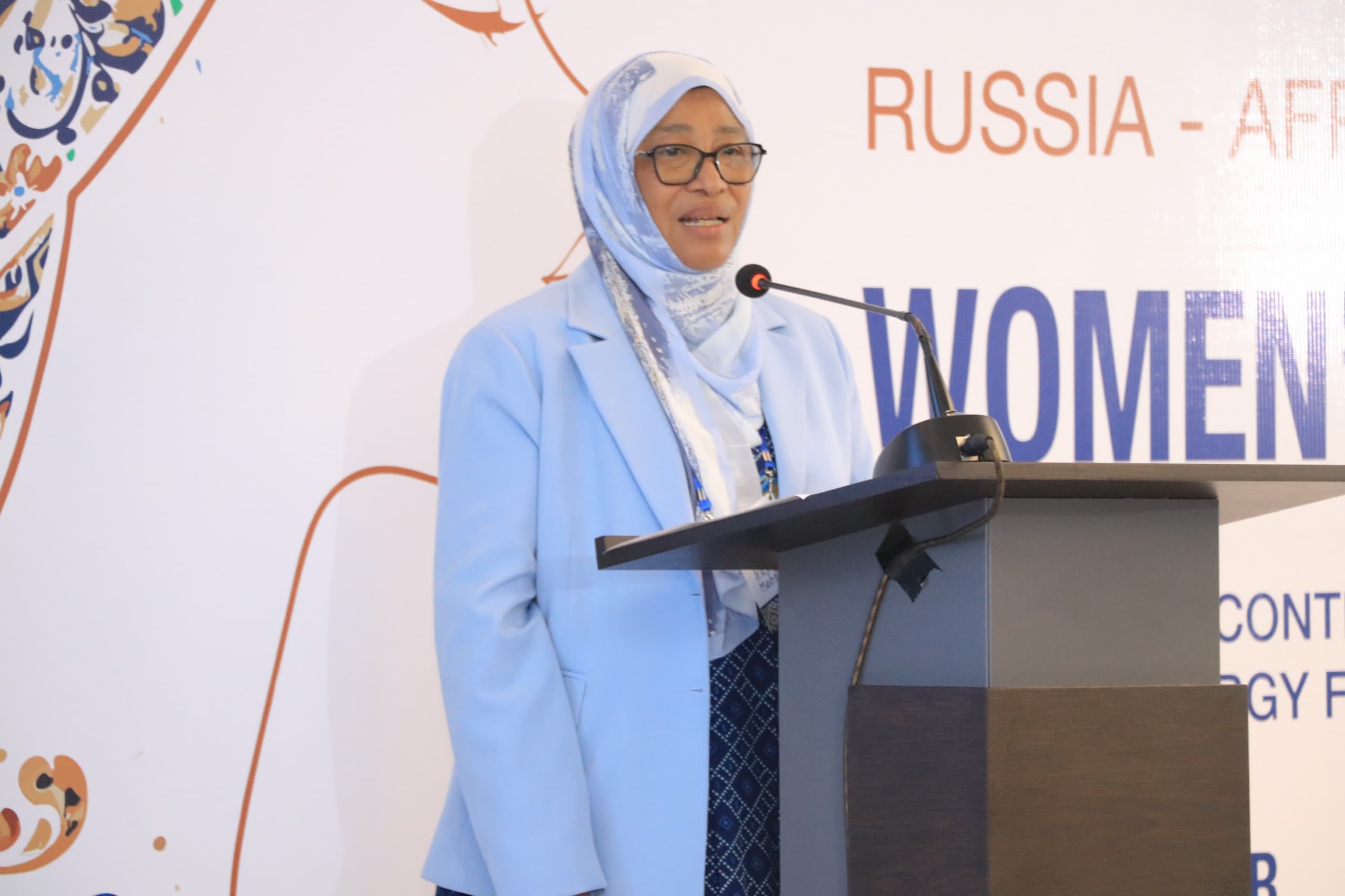
Earlier, the Ambassador Extraordinary and Plenipotentiary of the Russian Federation to Tanzania, Andrey Avetisyan, said stronger cooperation between Russia and African countries was important for developing nuclear science and technology to address social and economic challenges.
He said sharing skills, experience and knowledge between Russian and African scientists could help advance solutions in healthcare, agriculture and other critical development sectors.
Meanwhile, the President of Women in Nuclear Uganda and specialist at the Atomic Energy Council, Ruth Asaba, emphasised the importance of investing in young girls to prepare the next generation of nuclear engineers and scientists who could contribute to Africa’s prosperity.
She said the forum represented an important step towards supporting Africa’s industrialisation ambitions, including efforts to address challenges related to employment, healthcare, infrastructure and agriculture.
Held under the theme “Dialogue of Continents: Nuclear Energy for the Future,” the international forum brought together representatives from eight countries: Tanzania, Russia, Egypt, Uganda, Zambia, the Democratic Republic of the Congo, Ethiopia and South Africa.
The gathering provided a platform for participants to exchange expertise, strengthen professional networks and explore how nuclear science and technology could contribute to sustainable development while promoting greater participation of women in the sector.