



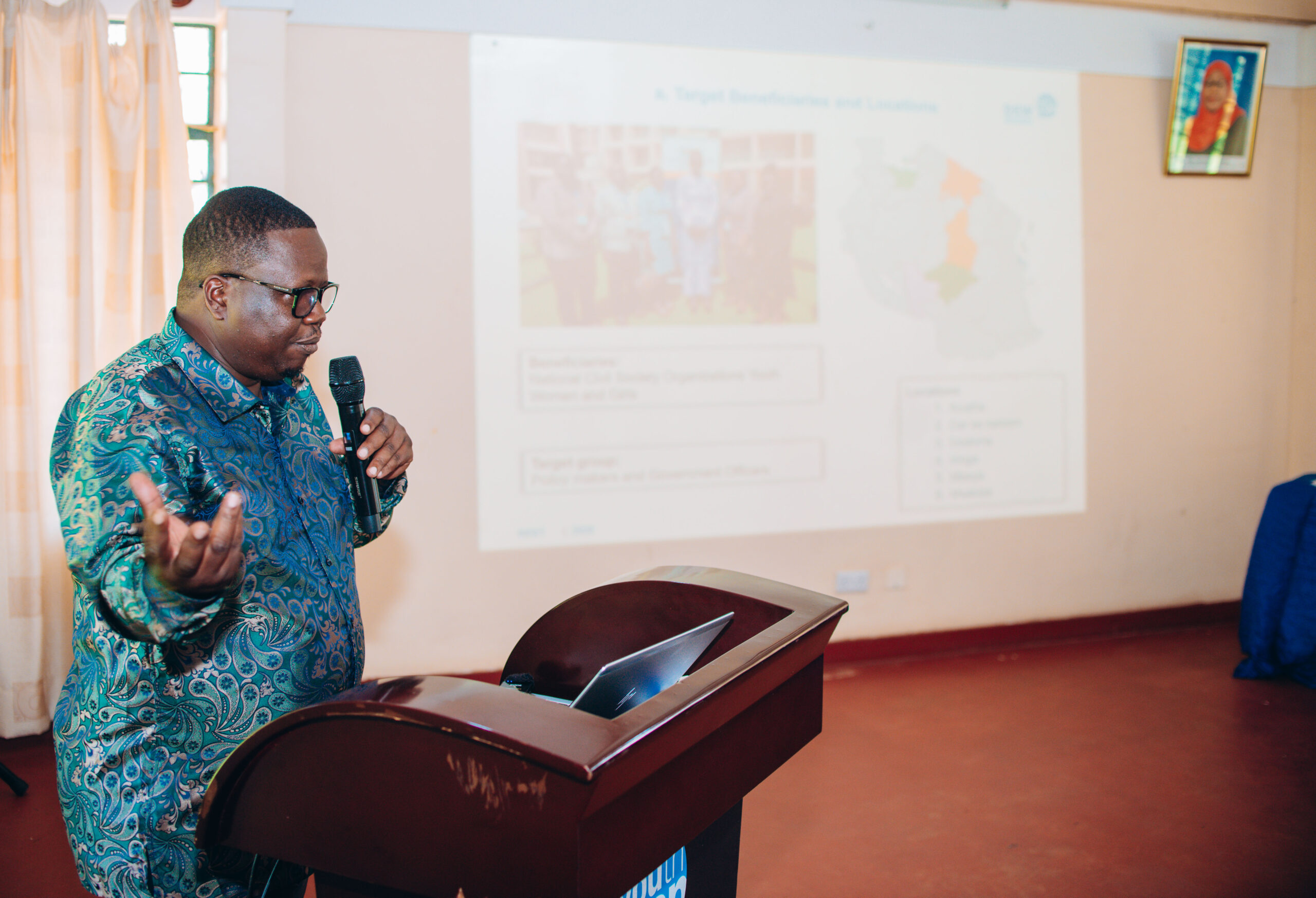
NON-Governmental organisations (NGOs) operating in Tanzania to complement government efforts in community empowerment have been challenged to diversify their funding sources amid dwindling financial support from international donors.
To sustain their programmes and continue providing services to communities after donor-funded interventions come to an end, NGO leaders have been urged to become more creative and innovative in mobilising resources from diverse sources.
The call was made by DSW Tanzania Country Director, Mr Peter Owaga, during the Reproductive Equity Strategy in Tanzania (REST) Project Annual NGO Convention, held in Arusha.
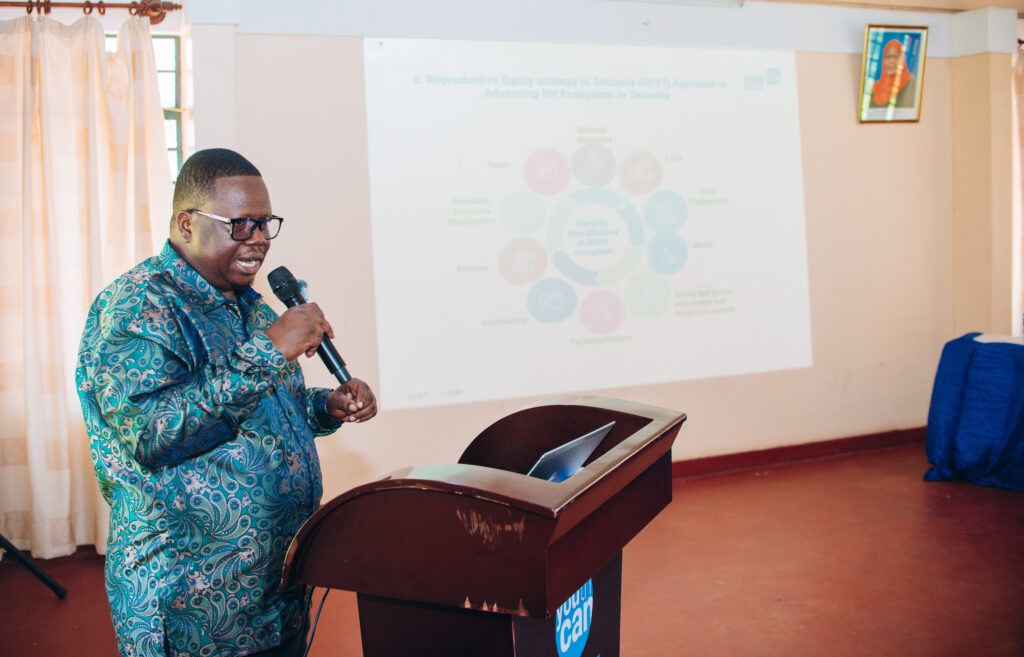
He observed that declining funding for key community empowerment initiatives across the country was threatening the ability of many NGOs to achieve their targets, sustain their programmes and maintain services to communities beyond the lifespan of individual projects.
Against this backdrop, he said DSW Tanzania, through the REST project, was building the capacity of community-focused NGOs to adopt effective funding diversification strategies and ensure their initiatives remained sustainable beyond the end of donor support.
“In Tanzania, NGOs play an important role in complementing government efforts to expand access to essential social services, particularly through initiatives aimed at empowering young people, women and girls,” he said.
“However, limited resource mobilisation capacity continues to constrain the performance and long-term sustainability of many local organisations,” he added.
Owaga explained that the project had focused on strengthening NGO systems, particularly governance, financial management, project implementation, strategic planning and resource mobilisation, to improve institutional performance and ensure long-term sustainability.
He also underscored the importance of cooperation and experience-sharing among local NGOs, saying such collaboration could help organisations broaden their reach, mobilise resources more effectively and improve service delivery to their respective communities.
Speaking at the convention, the Director of Parenting and Family Affairs in the Ministry of Community Development, Gender, Women and Special Groups, Ms Emidaeli Kamugisha, commended DSW Tanzania for collaborating with the government to implement programmes that contribute directly to improving the lives of adolescents.
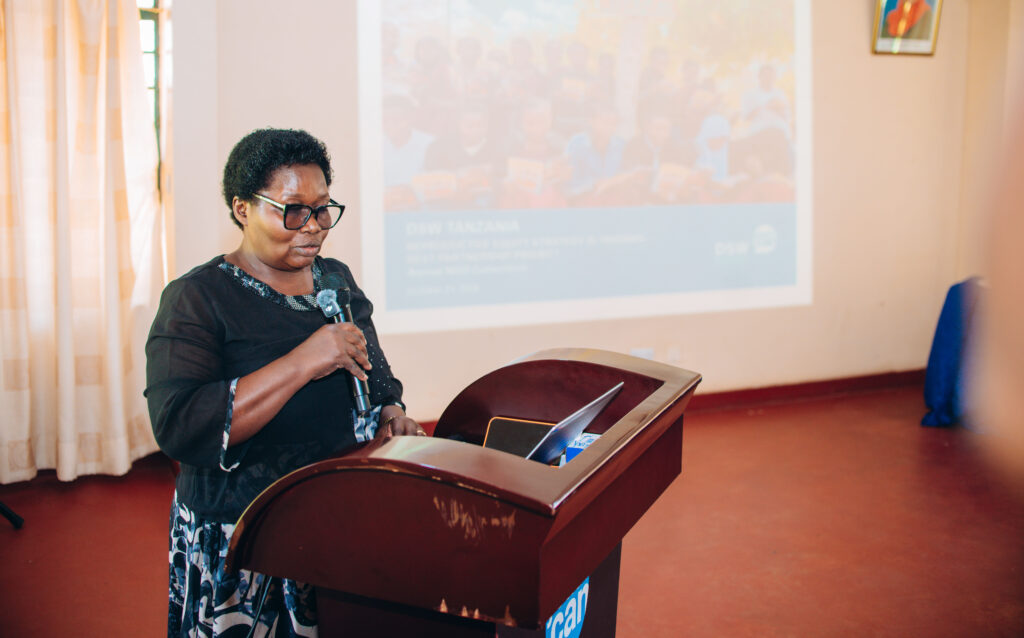
She said initiatives such as REST had become important in supporting national efforts to address challenges facing adolescents and prepare them to transition into adulthood as productive members of their families and society.
Kamugisha explained that the Ministry coordinated the National Adolescent and Youth Health and Well-being Agenda (NAIA-AHW) for four years, from April 2021 to June 2025, working with sectoral ministries, government institutions, United Nations agencies, NGOs, civil society organisations, faith-based organisations and the private sector.
“The government recognises the contribution of DSW Tanzania and its partners in supporting the national agenda through efforts to promote gender equality, improve access to reproductive health information and services, strengthen the capacity of implementing organisations and increase young people’s participation in issues affecting them,” she said.
DSW Tanzania Senior Advocacy and Communications Coordinator, Ms Shamsa Khalfan, said the project also sought to strengthen networks among local stakeholders advocating policies and health systems that respond to the needs of women, girls and young people.
She said the initiative had already reached more than 15,000 people, while promoting positive attitudes towards health, raising awareness of sexual and reproductive health services and supporting efforts to prevent gender-based violence, teenage pregnancies and other challenges affecting young people’s well-being and future aspirations.
Meanwhile, REST Project Manager at Voice of Youth Tanzania (VOYOTA), Ms Lilian Mungure, said the initiative had strengthened her organisation’s leadership and management capacity, equipping its leaders and staff with essential skills to implement programmes and achieve targeted community outcomes.
She explained that VOYOTA was implementing interventions to combat female genital mutilation (FGM) and gender-based violence in three wards inhabited by pastoralist communities in Monduli District, Arusha Region.
“The project has supported training for service providers on delivering youth-friendly services while empowering youth champions to work with their counterparts in pastoralist communities to raise awareness and promote positive change,” she said.
Mungure cited a decline in FGM prevalence in Monduli District from 49 per cent before the intervention to 44 per cent during implementation, attributing the progress to sustained awareness campaigns and community engagement.
She added that continued engagement with community leaders had helped raise awareness of the harmful effects of FGM and encouraged efforts to discourage the practice.
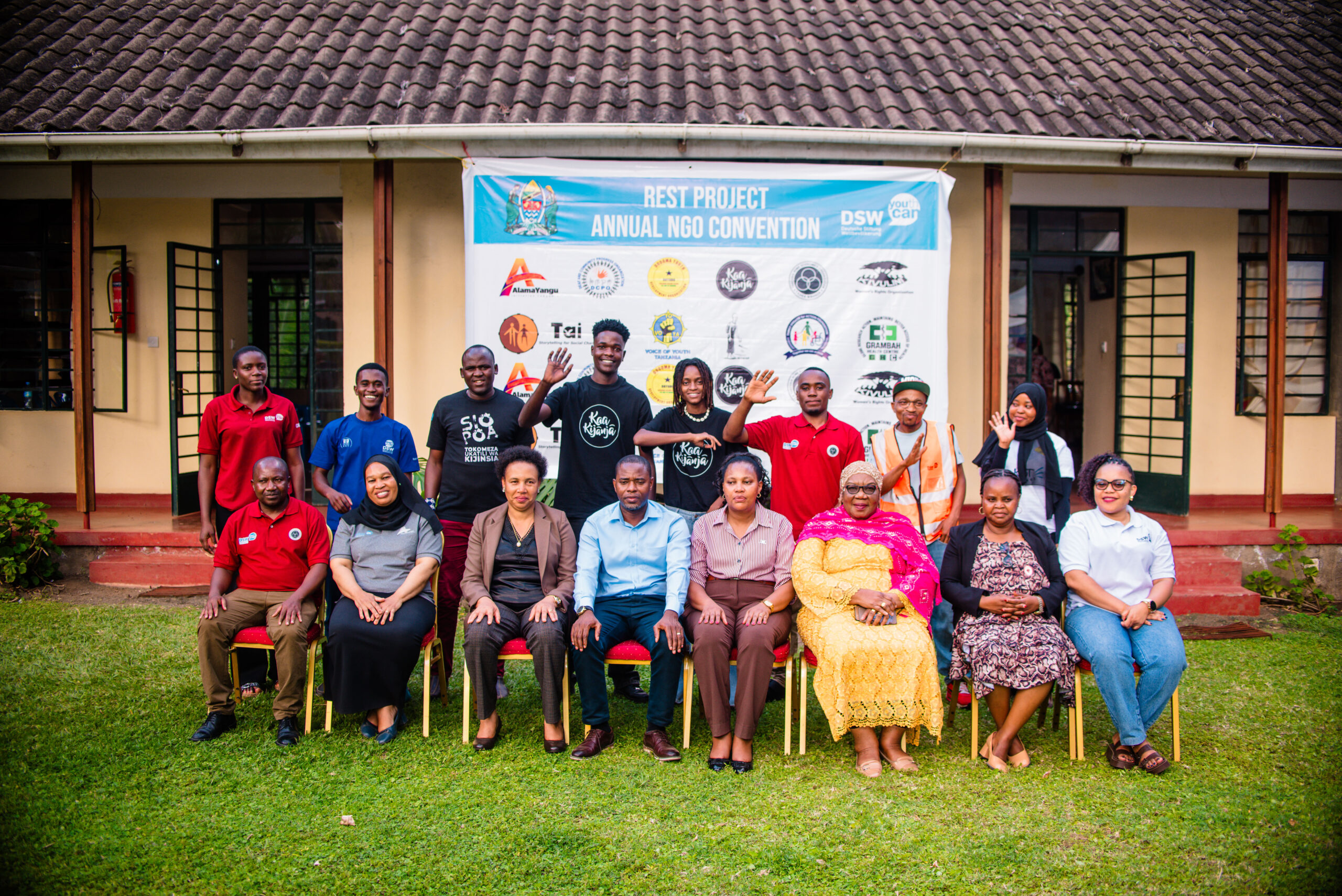
DSW Tanzania is implementing the REST project in collaboration with participating NGOs, including Kivuli Women Rights Organisation, Grambah Health Charity Organisation, Kaa Kijanja, Voice of Youth Tanzania (VOYOTA), Dodoma Youth Development Organisation (DOYODO), Family Engage for Action Foundation (FAEAF), Women Wake Up (WOWAP), Alama Yangu Initiative Tanzania, Tanzania Home Economics Organization (TAHEA) and TAI Tanzania.
The project demonstrates the importance of strengthening local organisations not only to deliver community-focused programmes but also to develop the institutional capacity and diversified funding strategies needed to sustain their achievements.
As donor funding becomes increasingly uncertain, resource diversification and stronger partnerships remain essential to ensuring that services supporting young people, women and girls continue to reach communities, according to Owaga.