



Tropical Agricultural Institute Hatches New Improved Cassava Kernels To Improve Production Of Tuber Crop In Tanzania

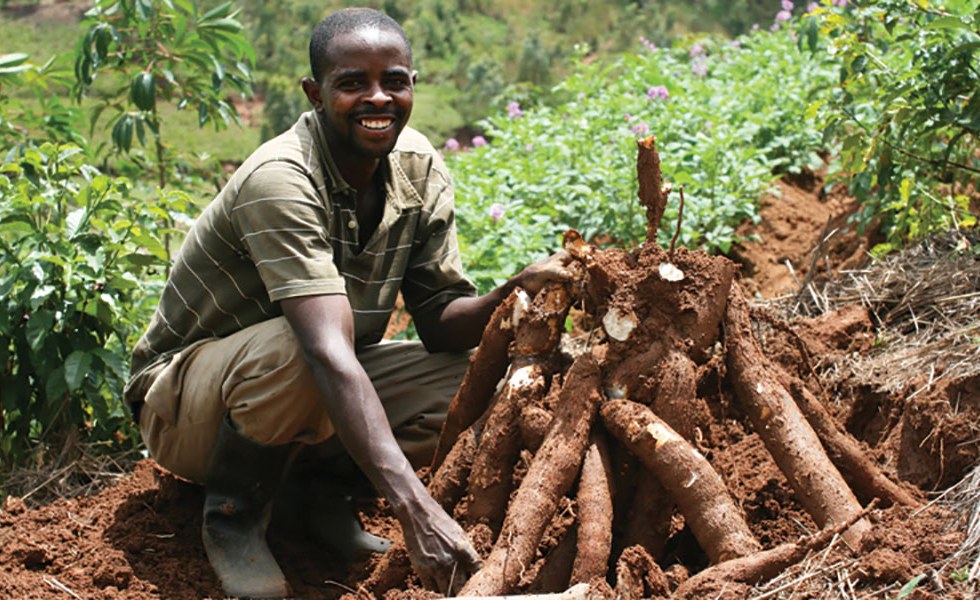
AGRICULTURAL researchers have continued efforts to research and produce improved cassava seed varieties, the development that has realised fruitful results several times.
In the timely initiative, crop breeders at the International Institute for Tropical Agriculture (IITA) are working in sync with their counterparts from the Tanzania Agricultural Research Institute (TARI) to develop improved varieties to support production of the tuber crop in Tanzania.
Cassava is the third- most important staple food in Tanzania, but farmers engaging in the sector are crippled by numerous challenges, including low crop yields and heavy losses due to severe plant diseases, poor access to clean planting materials, changing weather patterns, and weak transport and market access.
Talking about the initiative, Ms Bertha Laswai, an IITA Research Technician, said the ongoing seed -breeding programme has already managed to hatch two new improved cassava varieties. Making these varieties accessible by smallholder farmers is envisaged to improved crop productivity, food and nutrition security and community livelihoods.
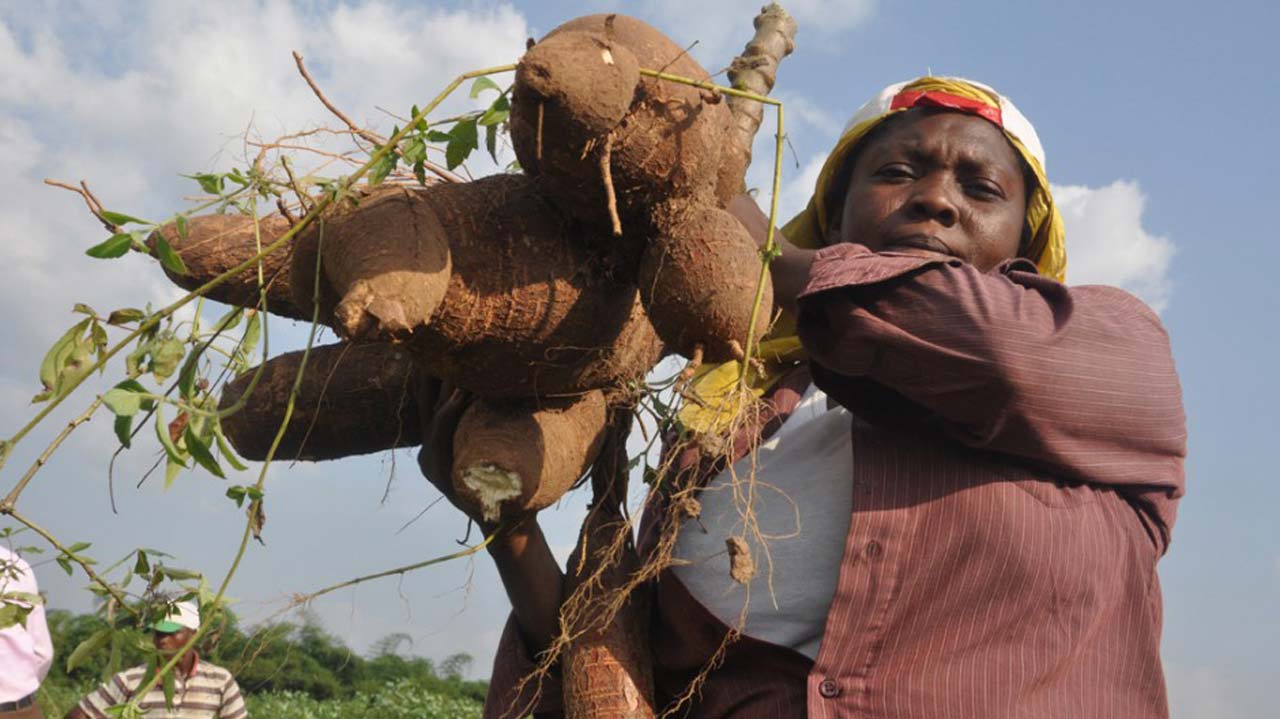
“The new improved cassava varieties that we have introduced to the farmers are KIMBILIO and KIPATO,” she expressed.
Laswai added that the introduced varieties are high- yielding, drought-tolerant and highly resistant to key viral diseases such as cassava brown streak disease (CBSD) and cassava mosaic disease (CMD). These varieties add to Tanzania’s 25 released improved varieties that are available in the market.
She detailed that farmers can harvest up to 62 tonnes per hectare using KIMBILIO variety, whereby KIPATO variety has yielding potential of 48.2 tonnes per hectare.
“The seeds are technically produced through tissue culture, and we have established vast farms for the production of pre- basic seeds in isolated areas in Bagamoyo, Kwembe and the Lake Zone to assure farmers receive sufficient seeds,” she communicated.
Moreover, she said that as per the project’ arrangement, TARI remains responsible for ensuring seed cuttings reach farmers across the country.
“IITA is not mandated to market seeds to farmers and, therefore, our role in the project falls under the category of conducting research and producing pre-basic seeds,” she expressed.
Dr. Juma Yabeja, a researcher and seed system expert from IITA informed that the cassava development initiative has established a commercial cassava seed system operated by a network of around 700 cassava seed entrepreneurs (CSEs) across the country.
He said the useful programme commenced during 2012 focused on capacitating some farmers with necessary knowledge to produce cassava seeds.
“For instance, we partnered with MEDA and the Tanzania Official Seed Certification Institute (TOSCI) to impart farmers with seed- producing skills,” he said, adding that after the training clinic, the beneficiary farmers were distributed with seeds in readiness for multiplication.
He said TOSCI was responsible for regular inspections on the seed farms to ensure the needed quality.
Yabeja said the trial project triggered a vast demand for the kernels among most farmers, especially after testing to use the varieties and prove them worthy in all dimensions.
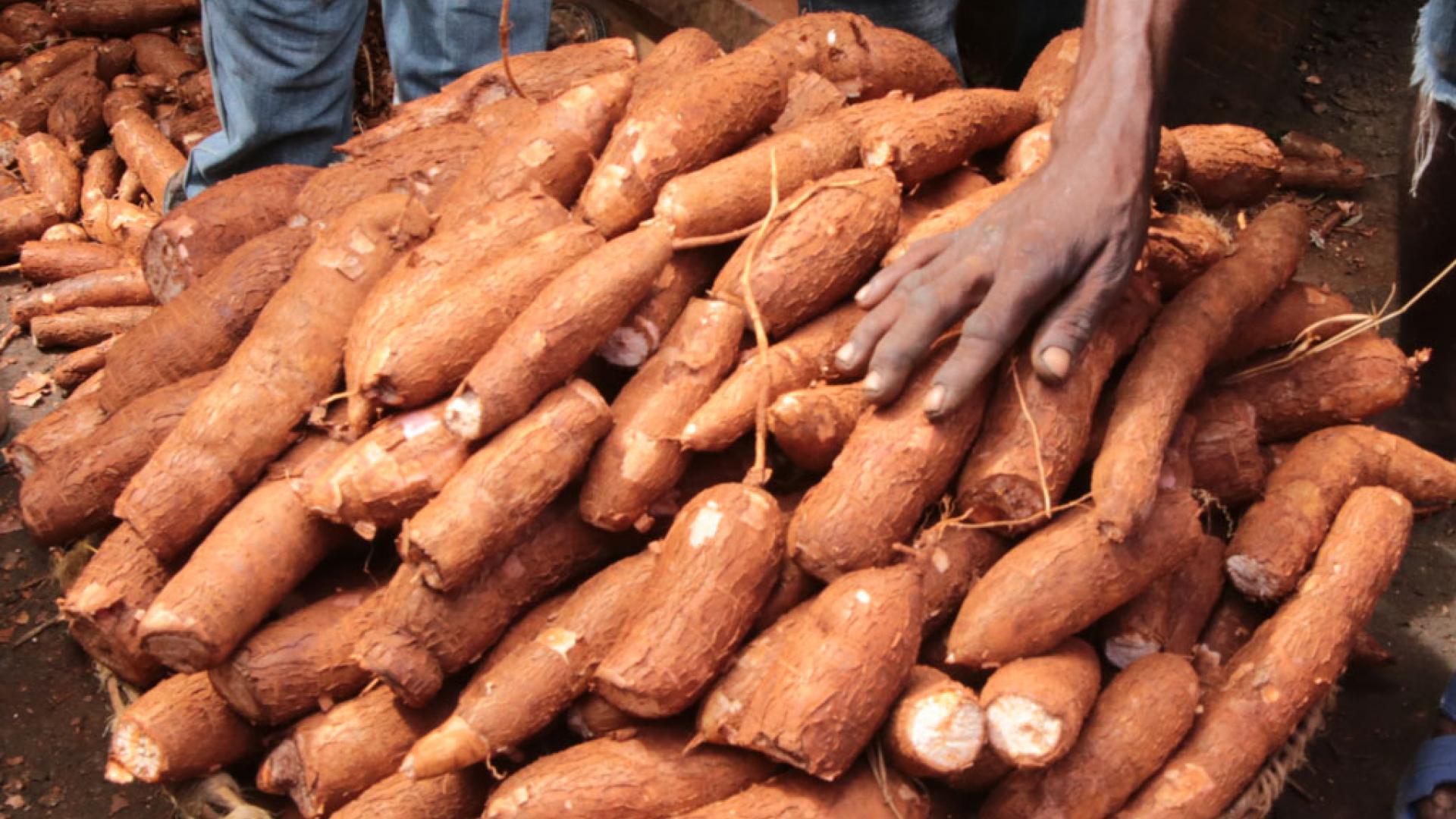
“With the varieties, farmers came aware to understand that they can reduce farming cost and time, while harvesting bumper “ he noted.
Yabeja added that at the start of the upcoming rain season, many CSEs will access the planting material of both Kimbilio and Kipato for mass production and delivery to farmers for farmers to realize the immense potential of the two varieties.
Moreover, Dr. Yabeja highlighted that through the project “Program for Seed System Innovation for Vegetative Propagated Crops in Africa (PROSSIVA)” Precise Solutions, is currently working to make a linkage of cassava processors, cassava root producers and cassava seed producers to make sure that actors are well connected for assured market-oriented seed system.