



Quality Seeds, Dutch Technical Know-How Power Up Tanzania’s Horticulture and Potato Farming

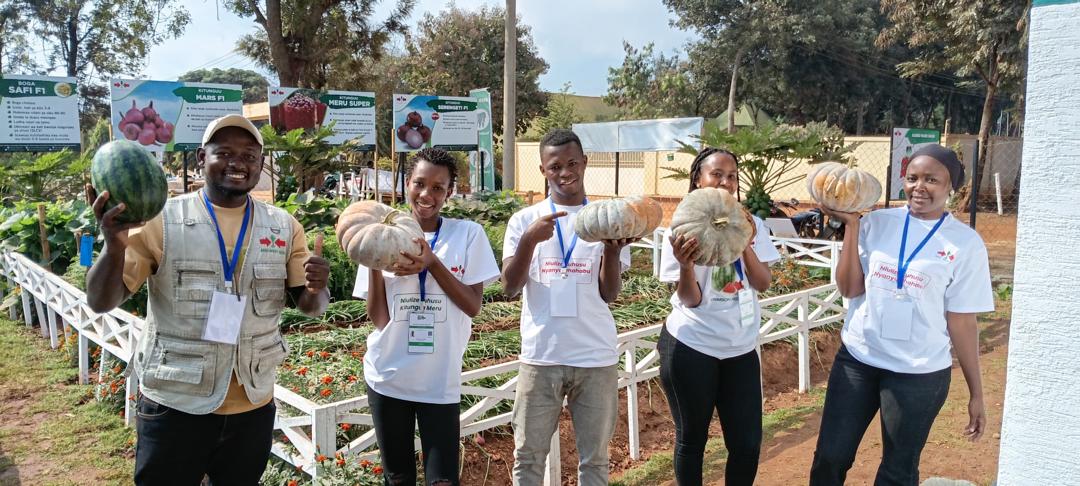
Staff Writer: Tanzania’s farmers and agribusiness partners have applauded growing support that is helping potato and horticulture producers unlock stronger yields through quality seed systems and practical technical know-how. Under partnerships that connect research, seed supply, and farmer training, growers say the shift is changing what is possible on the ground from better crop performance to more reliable produce quality.
Speaking in recent interviews on potato farming, Agricultural Growth of Corridor Tanzania (AGCOT) Project Manager Mr. Abdallah Msambachi said farmers have faced long-standing challenges, including limited access to certified seed, gaps in technical knowledge, weak farmer organisations, and unstable markets.
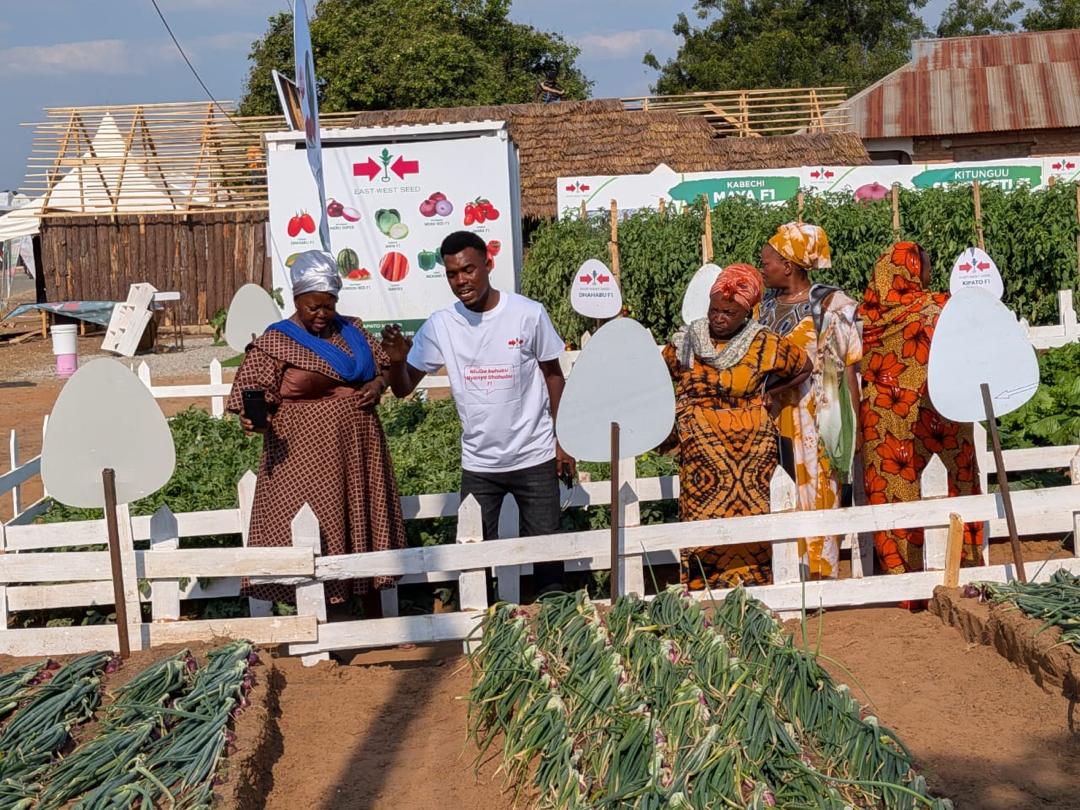
He noted that support from value-chain partners has addressed these issues in an integrated way, focusing on both improved seed and the skills needed to manage it effectively.
He highlighted the role of HZPC, a prominent Dutch company operating in Tanzania, in expanding access to certified high-quality potato seed while also strengthening farmers’ knowledge in areas such as seed management, crop care, disease control, and productivity improvement.
Farmers say this combination is helping them produce more consistently and raise both the quantity and quality of what reaches the market.
Agritterra, A Dutch NGO was commended for strengthening farmer groups to improve leadership, financial management, participation, business planning, and collective marketing.
With stronger organizations, farmers are better positioned to negotiate with buyers and sustain commercial relationships.
At the market level, partnerships with companies such as Mapinga Premium Foods have provided more structured and dependable opportunities.
Farmers say this has increased confidence to invest in quality seed and improved farming practices because they can see a clearer path to selling their produce.
Stakeholders also pointed to memorable field experience from Lukinga Village in Gairo District in August 2025, where farmers explained that while their area has fertile land and potential for potato production, they previously struggled with limited technical knowledge, inadequate certified seed, weak organisational structures, and uncertain markets.
The difference, they say, has come from targeted support that connects learning and seed quality to real market demand.
As Tanzania marks Nane Nane Agricultural Exhibition Week, stories from farmers and partners continue to underline the impact of innovation in seed systems for sustainable growth especially in horticulture and potato production where quality seed and applied expertise can turn farming potential into measurable results.
On the horticulture side, East West Seed Tanzania, Regional Business Head for Africa, Mr Robert Kimonge, said access to improved seeds with affordable prices to farmers had improved the lives of millions of farmers in the country through increased productivity and household income.
“Technology, innovation and knowledge dissemination to local partners contribute to the growth of horticulture in Tanzania and pave the way for dialogue on seed policy review with key stakeholders to foster a conducive environment for seed business in the country,” he explained.
Mr Kimonge noted that a joint training programme of students at Horti Tengeru and Arusha Technical College had equipped them with practical knowledge and skills on horticultural crop production and enabled them to utilise local market employment opportunities.
“Dutch companies involved in this programme were able to recruit the right candidates out of this programme sponsored by the Netherlands Enterprise Agency (RVO), coordinated by Hanze University and implemented by Dutch companies based in Tanzania,” he said.
Mr Patrick Machemba, who is General Manager from East West Seed Tanzania, said relationship and networking among Dutch companies based in Tanzania had improved as a result of the joint training programme at Horti Tengeru and Arusha Technical College.
“Training institutes were supported by experts from Dutch companies based in Tanzania to help students and tutors on specific aspects in horticultural crop production, hence strengthening the relationship between the government of Tanzania and Dutch companies,” he said.
“Collaboration between the Dutch Embassy and Dutch companies based in Tanzania has helped stakeholders to look into agricultural policies that hinder horticulture in Tanzania and the Dutch Embassy has facilitated such collaboration and enabled the government of Tanzania to take action,” he underscored.
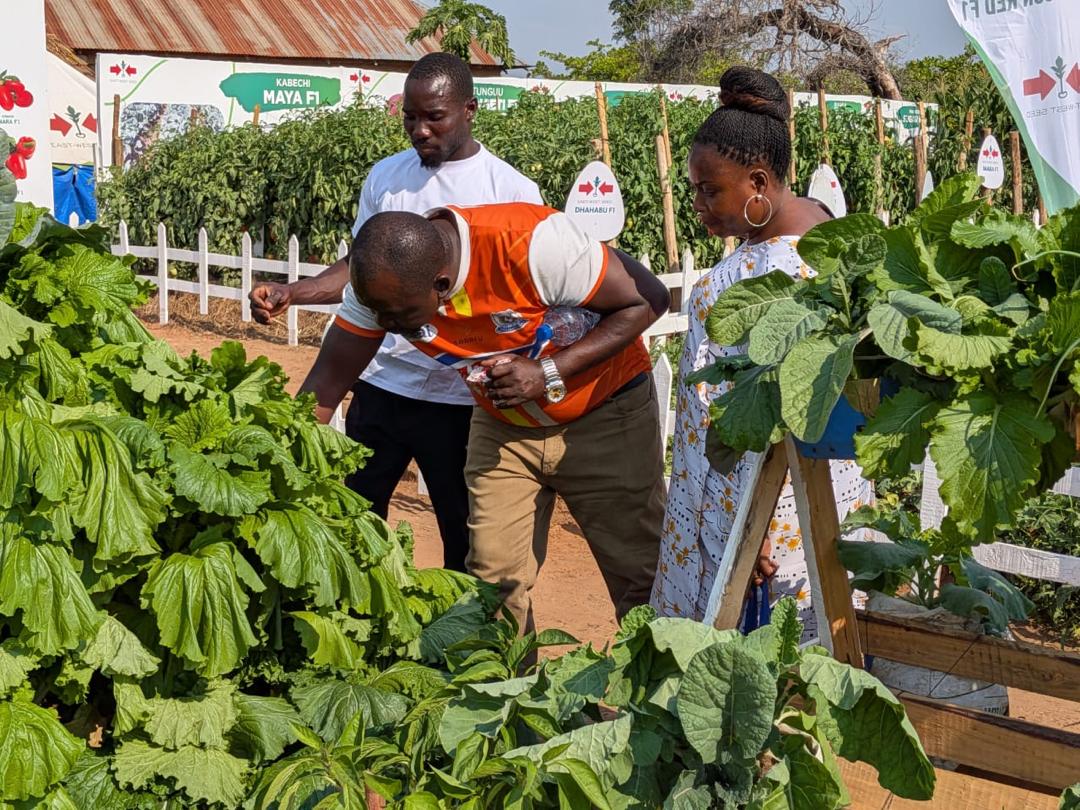 Mr Epaphras Milambwe, Knowledge Transfer Manager Tanzania East West Seed said he had been taking different initiatives to address farmers’ challenges that impacted farmers’ crop yield potential. Some of the initiatives and measures undertaken include breeding varieties that withstand biotic and abiotic challenges. For example, EWS breeds varieties that are tolerant and resistant to bacterial wilt which has been a major challenge.
For tomato and sweet pepper farmers, varieties that are tolerant to fusarium wilt and viral diseases, varieties that are tolerant to low and high temperatures and varieties that are tolerant and resistant to insect pests. There are also breeding varieties with high shelf life in the market and that are preferred by the consumers.
Mr Milambwe noted what they were doing serving millions of vegetable farmers in Tanzania. For instance, East West Seed has contributed to the improvement of the lives of vegetable farmers through improved quality seeds and at least 2 million vegetable farmers in Tanzania are served by East West Seed Tanzania with quality vegetable seeds and good agronomic practices.
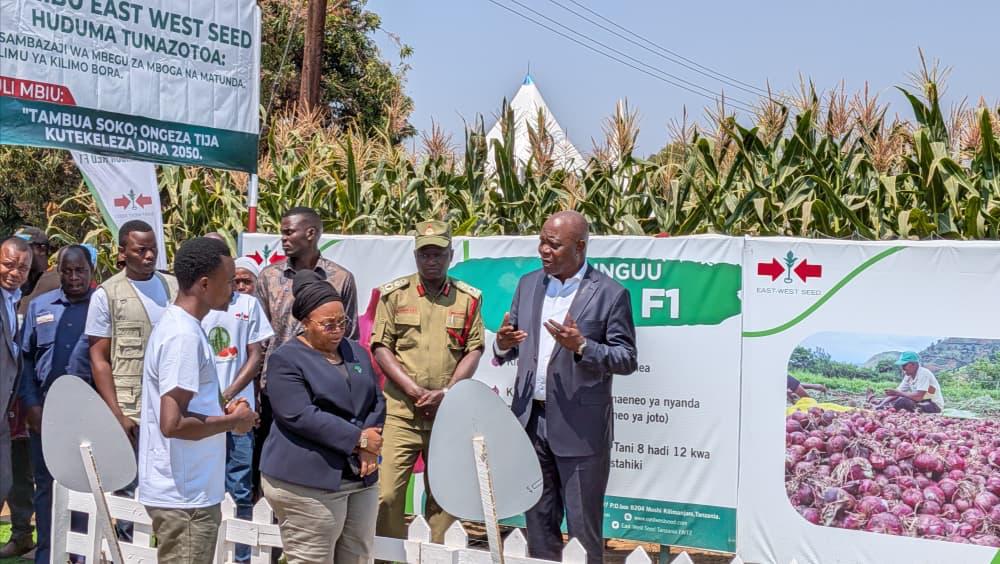
As Tanzania marks Nane Nane Agricultural Exhibition Week, the Department of Agriculture of the Dutch Embassy highlights an important story and testimonies of partnership: the economic and agricultural impact of Dutch agribusiness activities in Tanzania, with a special focus on seed systems for sustainable local production, particularly horticulture seeds and potato seeds.
Over more than 40 years, Tanzania and the Netherlands have collaborated in the agricultural sector.
Today, this partnership has enabled over 100 companies and organisations working across different agricultural fields to share knowledge and innovation, research and technology and provide market access positioning the Netherlands as a gateway to Europe of which some of these companies have participated in Nane Nane across the country.
HZPC, a leading Dutch multinational in seed potato breeding, is highly active in Tanzania. Through public-private partnerships, they work to introduce high-yield, disease-resistant Dutch potato varieties. Their efforts empower local farmers, significantly improving agricultural productivity and climate resilience across the country.