



Tanzania Calls For Greater Accountability In Observance Of Laws, International Conventions In Extractive Sector

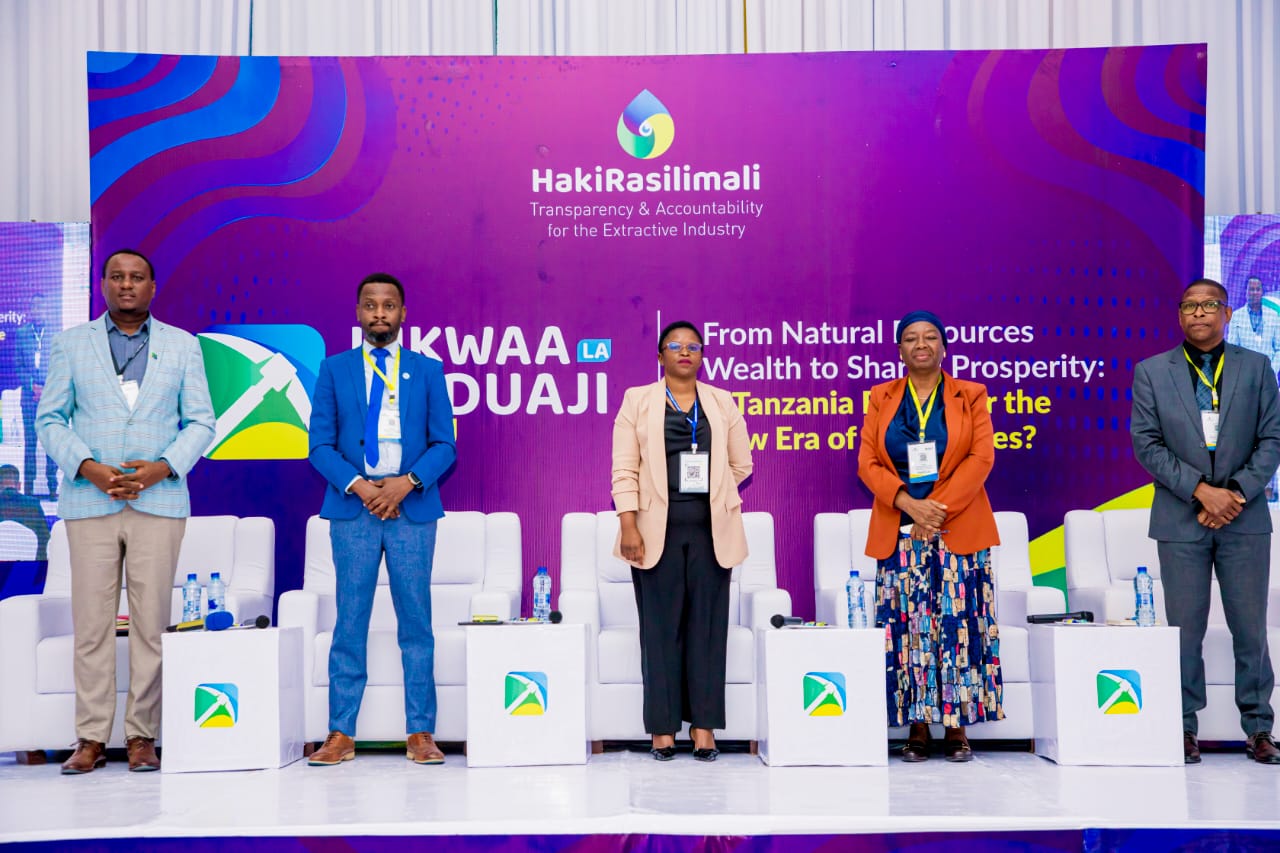
To ensure that the extractive sector continues to make a significant contribution to the Tanzanian economy, stakeholders have called for effective enforcement of laws and regulations governing the sector, particularly those related to human rights.
Speaking at the opening of the 11th Extractive Sector Forum 2026, held on November 12, 2026, in Dodoma, officials from the Commission for Human Rights and Good Governance stressed the need for the government to be more vigilant in enforcing laws governing the sector.
They urged the government, private sector and other stakeholders in the extractive sector to uphold laws, human rights and international conventions to ensure that investments in the sector promote sustainable development and deliver benefits to citizens.
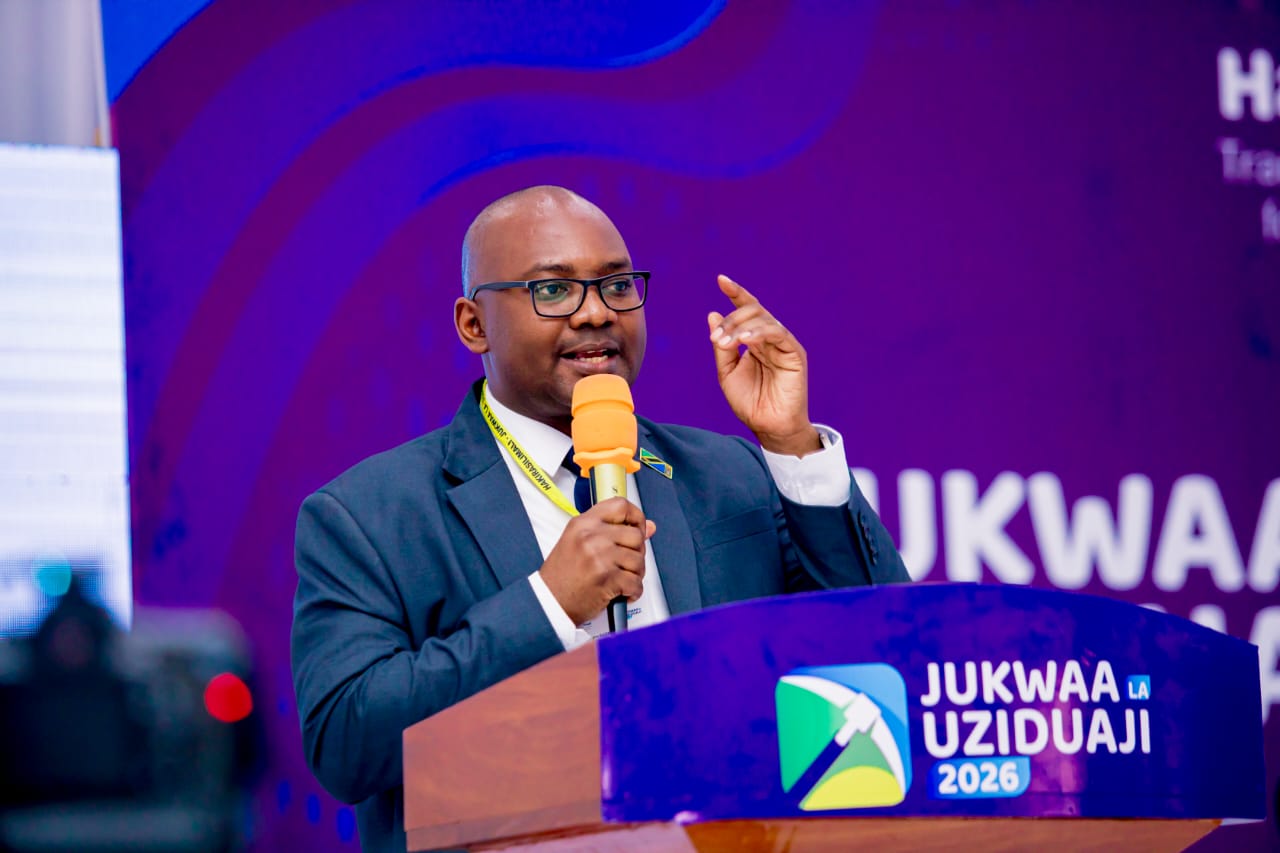
The Chairperson of the Commission for Human Rights and Good Governance, Advocate Dunford Mpelumbe, said conducting extractive activities without observing the law and respecting human rights could negatively affect communities living in areas where projects are implemented.
He said it was prudent to involve citizens in investment-related matters, including decisions that could affect their lives, and ensure they receive fair compensation whenever their interests are affected.
Advocate Mpelumbe also emphasised the need for effective mechanisms to resolve disputes that may arise from activities in the sector.
“The issuance of licences, contracts, tax payments and other decisions relating to the extractive sector should be guided by the principles of transparency and accountability, in accordance with the Constitution, national laws and international conventions signed and ratified by Tanzania,” he said.
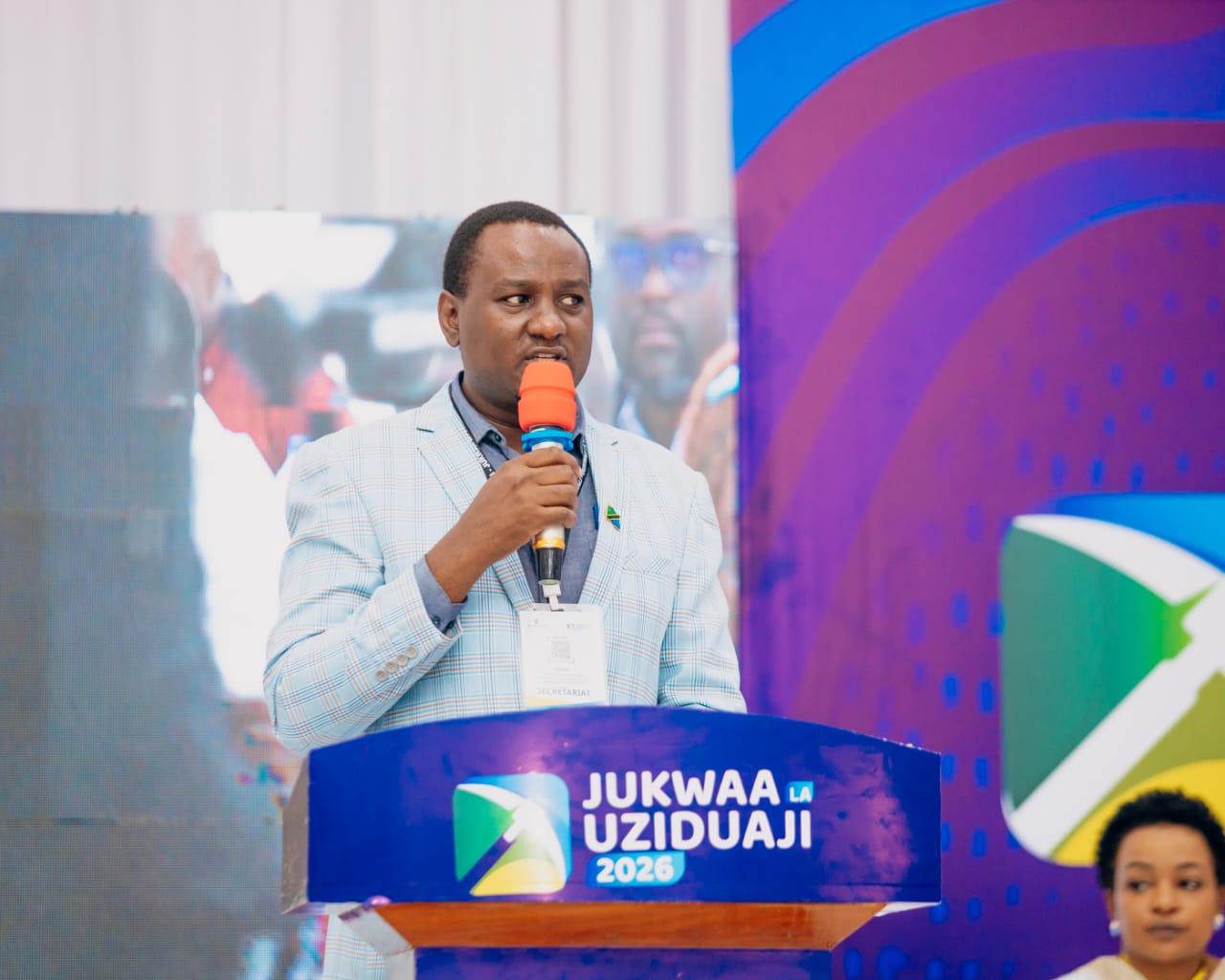
For his part, HakiRasilimali Executive Director, Mr Nicholas Lekule, said investments in the extractive sector should add value to the country’s natural resources, promote industrialisation, develop skills and technology, create decent employment opportunities and strengthen local participation across the value chain.
He noted that, alongside delivering economic benefits, such investments should prioritise the protection of human rights, workers’ safety, environmental conservation and the interests of communities surrounding extractive project areas.
Meanwhile, small-scale miners have called on the government to create an enabling environment for them to access capital and modern equipment to facilitate mining operations, increase production and improve safety at mining sites.
Mosi Saidi, from Geita, said a lack of capital was preventing many miners from expanding and improving their operations despite holding valid licences.
Faraji Ndanje, another small-scale miner from Lindi, said the use of poor-quality equipment made mining operations more difficult due to heavy reliance on manual labour.
Mr Stambuli Athumani, a mining sector stakeholder, added that outdated equipment could increase accidents at mining sites and reduce production.
He urged the government to introduce affordable loans for small-scale miners, similar to the 10 per cent loans provided by local government authorities to youth groups.