



Mnazi Bay Gas Discovery Puts Tanzania On Course To Strengthen Energy Security And Economic Growth

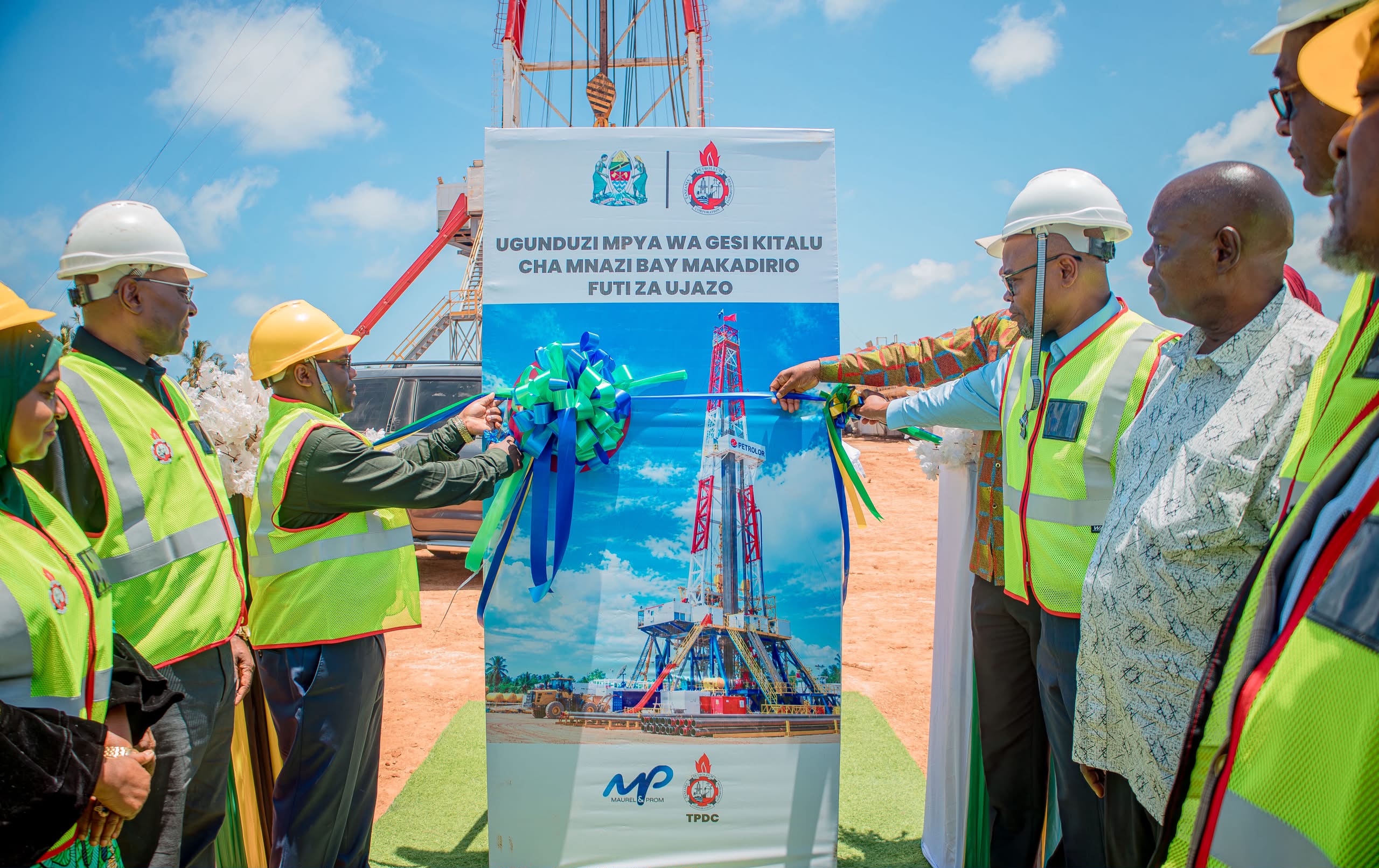
Tanzania continues to strengthen its position among Africa’s major energy resource countries following the discovery of substantial natural gas deposits in the southeastern Mtwara Region.
The new natural gas discovery is estimated at 223 billion cubic feet in the Mnazi Bay Block in Mtwara Region, following the drilling of the Kasa-1X ST2 exploration well.
Tanzania’s Minister for Energy, Dr Juma Zuberi Homera, has officially announced the significant economic development, describing it as a major milestone in strengthening energy security, increasing natural gas production and accelerating national economic growth.
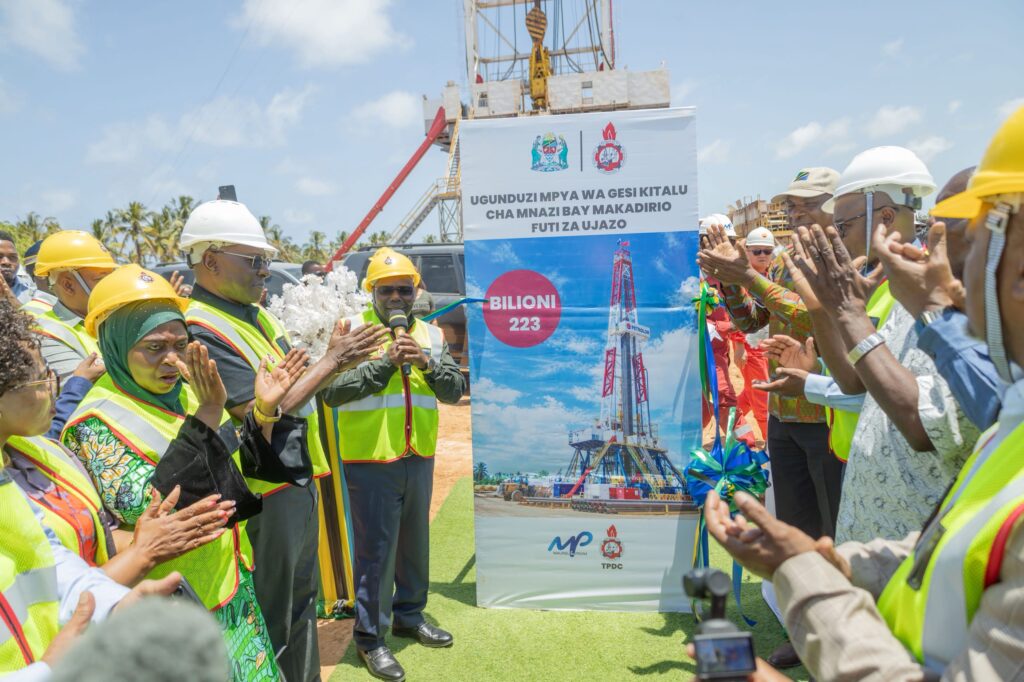
The discovery was made by the Tanzania Petroleum Development Corporation (TPDC) in partnership with Maurel & Prom (M&P), marking the country’s first new natural gas discovery in more than a decade, following the last reported discovery in 2015.
Speaking at a ceremony to announce the discovery in Mtwara, Dr Homera said the discovery had come at a time when energy demand was rising due to industrial expansion and other economic activities, making it increasingly important for Tanzania to secure a reliable supply of clean, safe and affordable energy.
The minister noted that the Kasa-1X ST2 well was expected to produce approximately 30 million cubic feet of natural gas per day for at least 10 years.
He added that two other wells, MB-5 and MS-2, drilled in the Mnazi Bay Block, had increased production by more than 65 million cubic feet per day.
Furthermore, Dr Homera explained that more than 80 per cent of the natural gas produced from the Mnazi Bay Block was used to generate electricity through Tanzania Electric Supply Company (TANESCO) power plants located in Mtwara and Dar es Salaam.
According to him, the increase in natural gas production was expected to strengthen Tanzania’s energy security and reduce reliance on imported energy sources, whose prices and availability are affected by fluctuations in international markets and geopolitical conflicts.
“Domestic gas production would help ensure a more dependable energy supply to support industrial development and other productive economic activities,” he said.
He added that the significant discovery was expected to increase government revenue through profit-sharing arrangements under the Petroleum Sharing Agreement (PSA), TPDC’s earnings as a partner in the project, and various tax payments.
“Economic activities associated with the project are also expected to generate additional revenue for local government authorities in the Mtwara Region, reduce energy costs for industries and households, and stimulate industrial growth across the country,” Dr Homera said.
The minister further noted that natural gas could serve as a feedstock for producing petrochemical products, including plastics and fertilisers.
He said developing these value-added industries could increase the economic benefits derived from Tanzania’s natural resources while supporting other productive sectors.
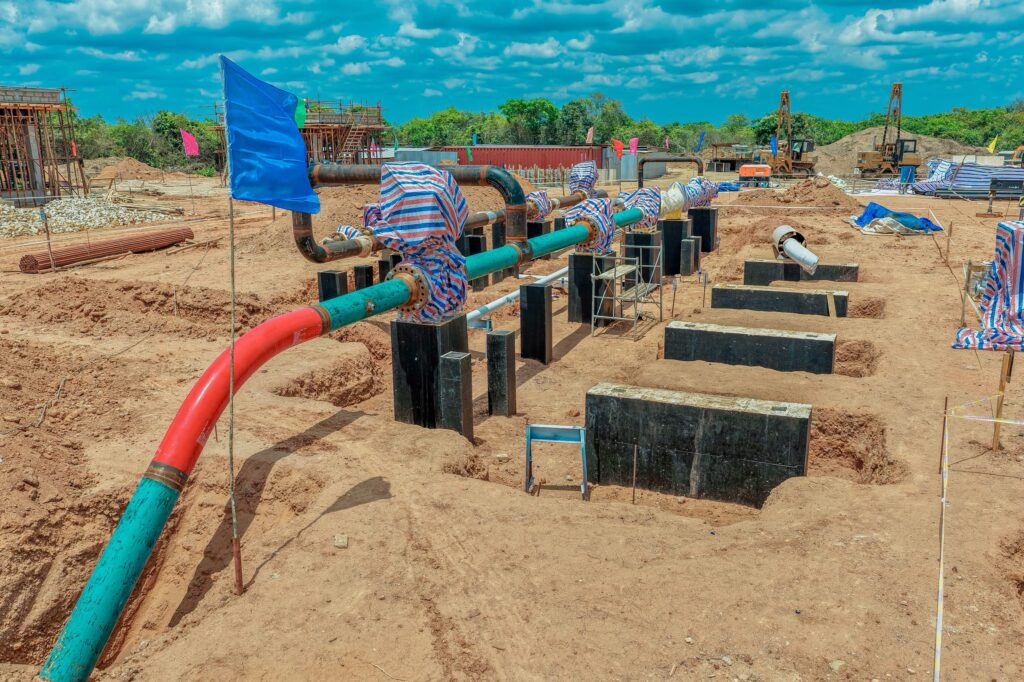
Speaking about the government’s participation in the Mnazi Bay Block, Dr Homera said TPDC previously held a 20 per cent stake before increasing its participation to 40 per cent in 2024 through the acquisition of additional shares.
He said the increased stake had strengthened the government’s involvement in strategic decisions concerning the development of the block while expanding opportunities for Tanzania to benefit from natural gas production revenues.
“This discovery is also expected to strengthen investor confidence and attract additional capital from both domestic and international investors,” he noted.
He said TPDC had entered into discussions with four investors planning to develop small-scale liquefied natural gas (LNG) projects, three of which were expected to be implemented in the Mtwara Region.
According to him, the projects were expected to create employment opportunities, expand the use of natural gas and facilitate its adoption as an alternative fuel for vehicles, replacing petrol and diesel.
He said the initiatives would also help diversify domestic gas utilisation and create new investment opportunities across the energy value chain.
Dr Homera said approximately 200 Tanzanians had secured employment in various project-related activities through locally owned companies, while 35 contracts worth more than TSh 20 billion had been awarded to local businesses.
He further revealed that Tanzanians accounted for 95 per cent of employees involved in gas production and processing activities, while the Madimba Gas Processing Plant was operated entirely by Tanzanians.
He said these achievements demonstrated the growing participation of local professionals and businesses in the oil and gas sector.
He added that the initiatives were helping facilitate skills transfer and build national capacity in natural resource exploration, production and processing.
The minister also said communities in Mtwara and neighbouring areas continued to benefit from social development projects implemented by TPDC in collaboration with Maurel & Prom.
The initiatives include projects in education, healthcare, environmental conservation, women’s empowerment and scholarships for students.
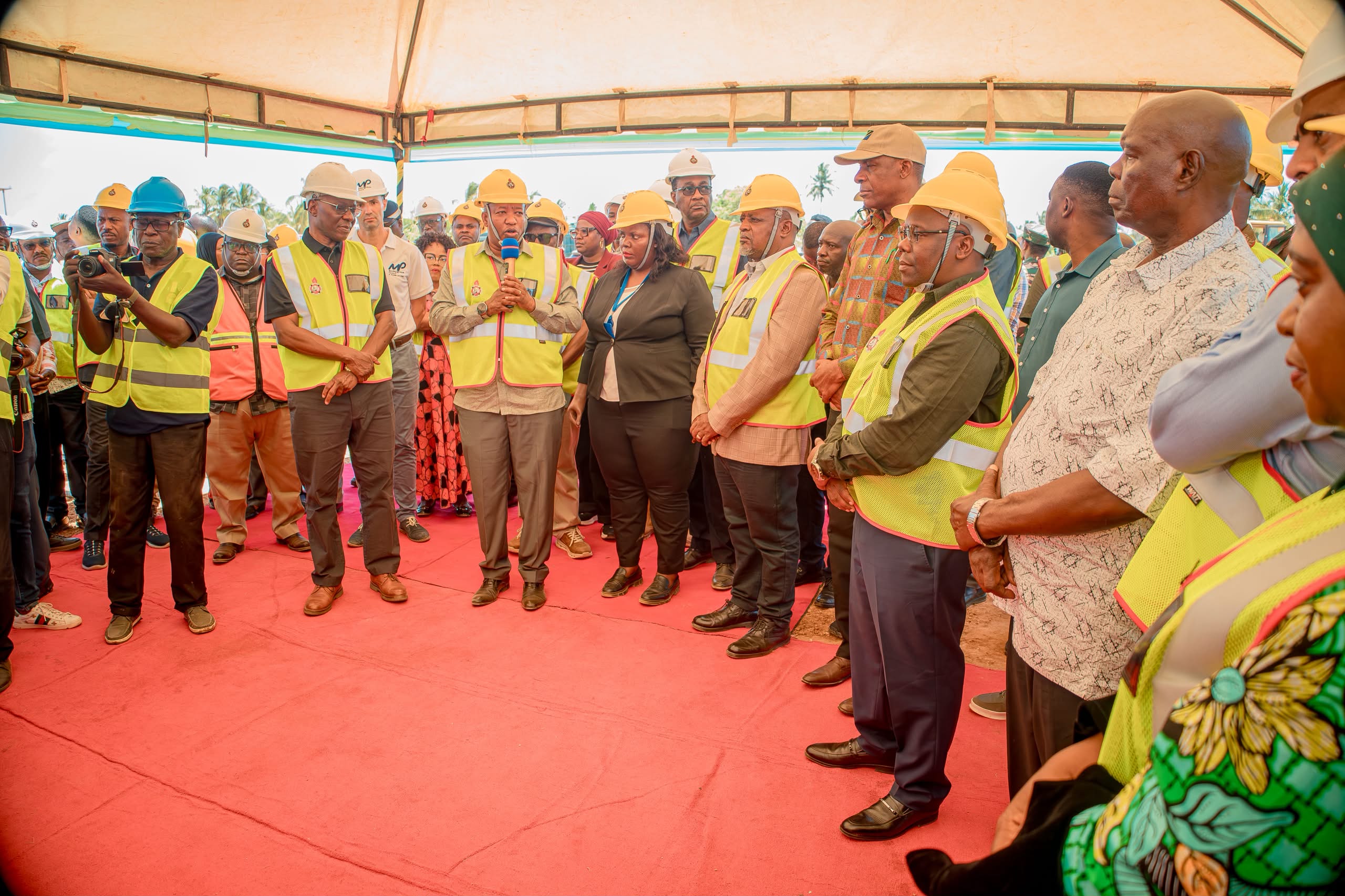
He, however, commended TPDC, Maurel & Prom and all experts involved in drilling the Kasa-1X ST2 exploration well and achieving the discovery.
The minister stressed the importance of continuing to develop Tanzania’s oil and natural gas resources in a manner that delivers sustainable economic and social benefits to the nation.