




By Friday Simbaya, Kilolo
Rural women in Tanzania are strengthening their collective efforts to defend their land rights, preserve indigenous seeds and promote sustainable farming practices as they seek to improve their livelihoods and household food security.
Through the Tanzania Rural Women Assembly (TRWA), women from different communities are sharing knowledge, exchanging experiences and advocating for their rights while seeking greater participation in decisions affecting their economic and social well-being.
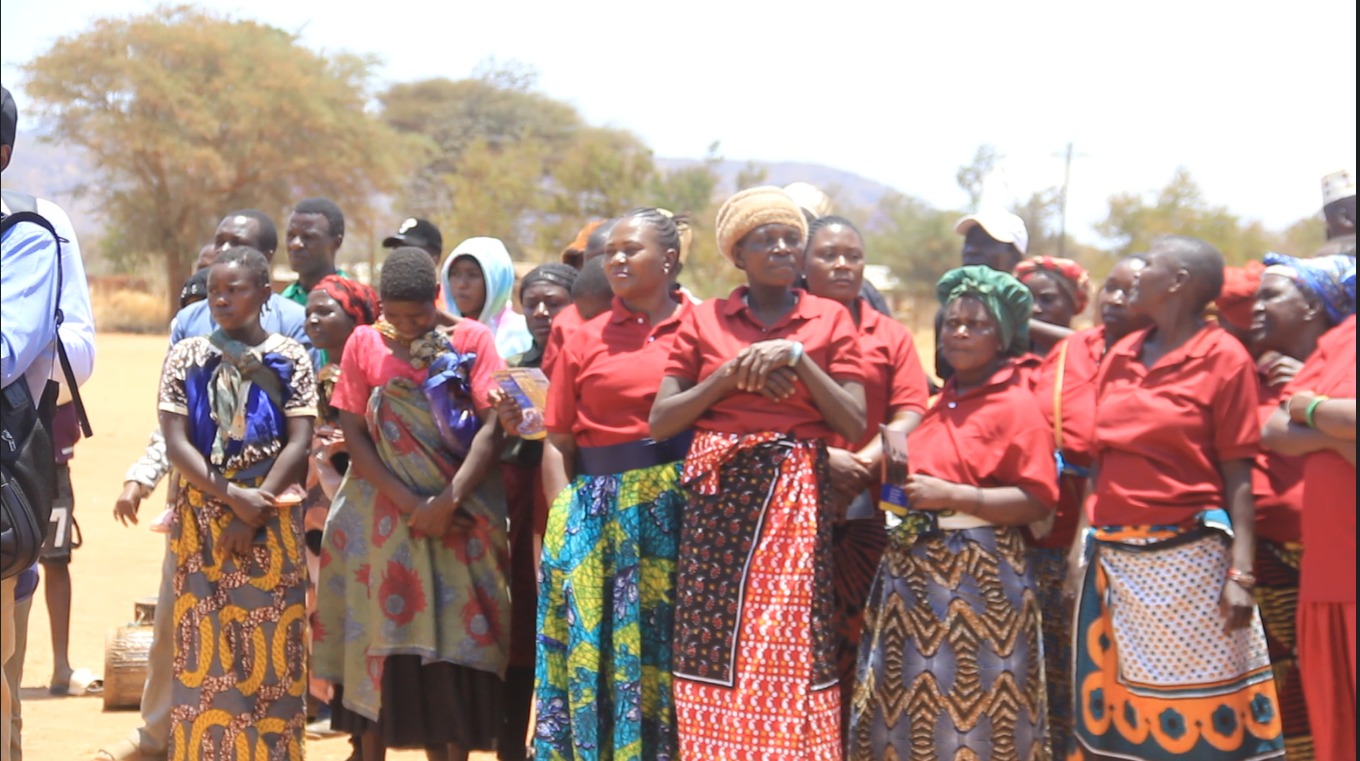
The initiative was highlighted during celebrations marking International Day of Rural Women in Vitono Village, Uhambingeto Ward, Kilolo District, Iringa Region, where about 700 participants, including government officials, civil society organisations, farmers and members of rural women’s forums, gathered to recognise women’s contributions to rural development.
The event provided a platform for discussing challenges facing rural women, exploring opportunities for economic empowerment and strengthening partnerships to promote sustainable agriculture and environmental conservation.
TRWA sent 30 representatives from rural women’s forums in Iringa Region to participate in the celebrations, share experiences and learn from other stakeholders.
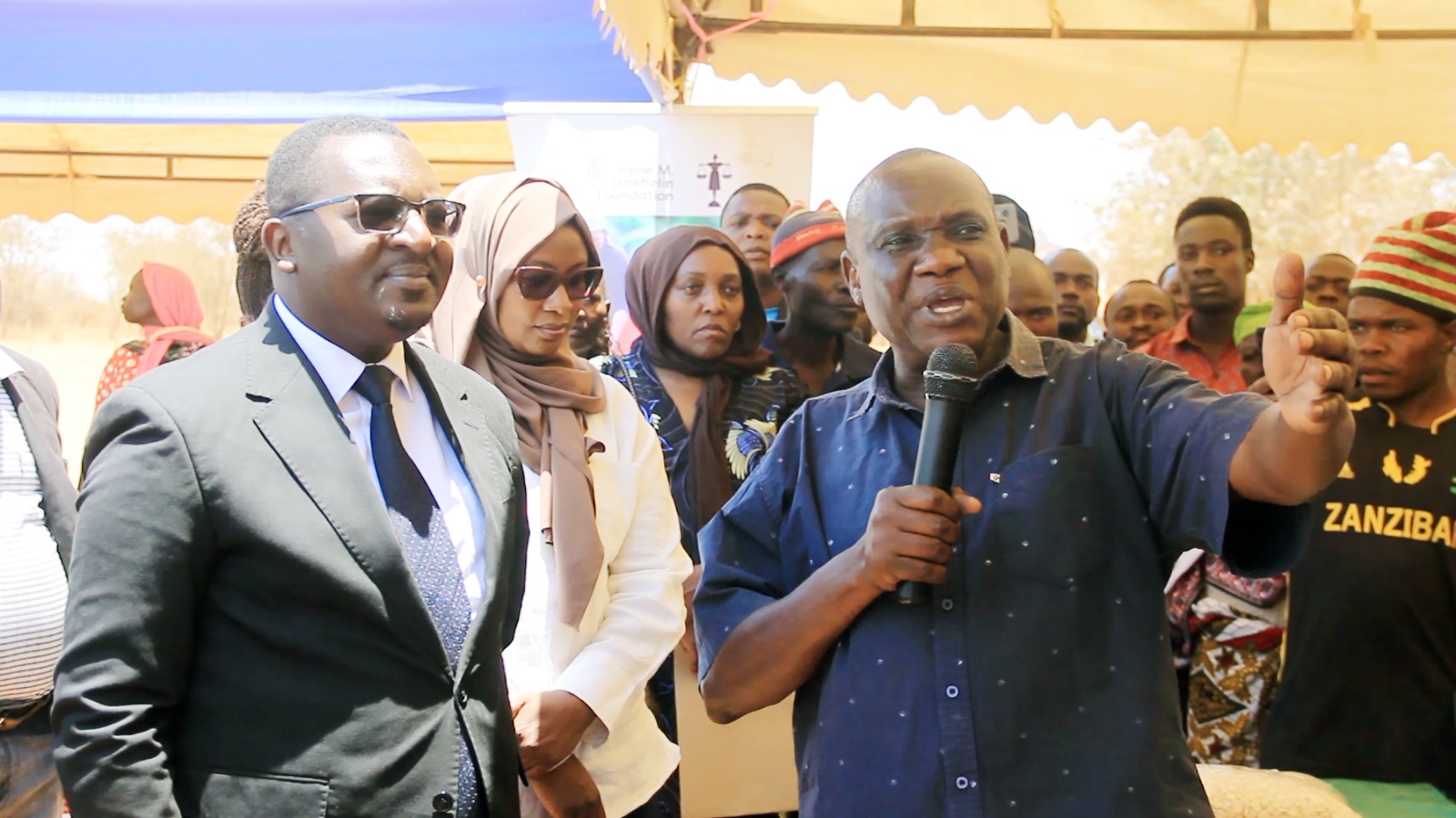
Iringa Regional Commissioner Kheri James urged women to protect and make productive use of land, describing it as an important resource that could transform their economic circumstances.
Speaking during the celebrations, Mr James encouraged women to take advantage of available land opportunities to generate income and improve their livelihoods rather than allowing others to benefit disproportionately from the resource.
He emphasised the importance of women actively participating in economic activities and making productive use of the resources available in their communities.
Landesa representative, Mr Masalu Luhula, speaking on behalf of organisations working to empower women, also urged rural women to seize available opportunities and make better use of land for economic development.
He encouraged women to take a more active role in initiatives that could strengthen their livelihoods and enable them to benefit from their rights and available resources.
Meanwhile, Iringa Regional Community Development Officer Saida Mgeni highlighted the challenges rural women face in accessing clean cooking energy.
She encouraged women in Vitono and surrounding communities to explore business opportunities in the clean cooking energy sector, including establishing shops selling cooking gas.
Ms Mgeni said such enterprises could help women generate income while supporting the transition from less safe cooking fuels to cleaner alternatives.
A regional movement for rural women’s rights
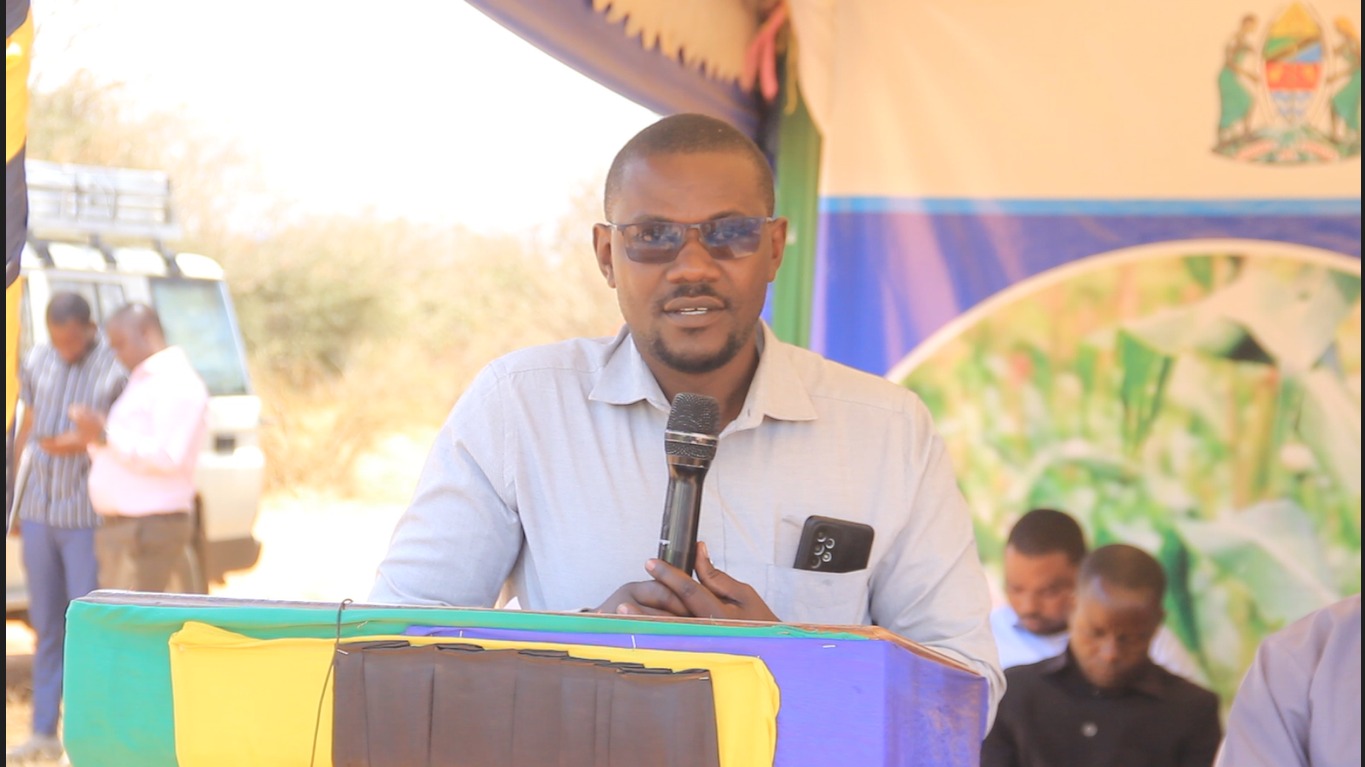
Speaking during the celebrations, TRWA leader Glory Mdindile said the initiative was part of a regional network connecting rural women’s movements in 10 Southern African Development Community (SADC) countries.
The countries are Namibia, Madagascar, Zimbabwe, Zambia, Malawi, Lesotho, Mozambique, South Africa, Eswatini and Tanzania.
She said the network enabled rural women to unite in advocating for their rights, exchanging knowledge and drawing attention to challenges affecting their livelihoods.
“In Tanzania, the forum operates through the non-governmental organisation MIICO, which is headquartered in Mbeya Region and works with smallholder farmers in the southern regions of the country,” Ms Mdindile said.
She explained that MIICO co-ordinated the forum’s activities in Tanzania and provided technical support, while efforts continued to expand its membership and reach more rural women.
According to Ms Mdindile, any rural woman can join the forum, which has expanded across the Southern Highlands.
Through meetings, conferences and international commemorations, the platform enables women to discuss shared challenges, exchange practical knowledge and strengthen their advocacy for social and economic rights.
Agroecology at the centre of sustainable farming
Ms Mdindile said the forum’s priorities included promoting agroecology, advocating for women’s land rights, preserving indigenous seeds, addressing climate change and combating gender-based violence.
She explained that agroecology offered opportunities to develop sustainable food production systems by combining ecological principles with locally available resources and traditional farming knowledge.
The approach encourages farmers to use organic fertilisers and natural pesticides, helping them make better use of available resources while supporting environmentally sustainable agricultural practices.
Preserving indigenous seeds is another priority, with the forum encouraging women to exchange traditional seed varieties and protect the knowledge associated with them.
The initiative also advocates for legal and cultural frameworks that safeguard indigenous seeds and recognise their importance to local food systems.
On land rights, TRWA campaigns for women to have greater access to, ownership of and control over land, enabling them to participate more fully in agricultural production and strengthen their household economies.
The forum also encourages women to respond to climate change through tree planting, environmental conservation and other community-based initiatives.
In addition, it raises awareness of gender-based violence and its effects on women’s safety, dignity and ability to participate in development activities.
These efforts are intended to strengthen women’s economic independence while promoting sustainable farming and resilient rural communities.
Forum equips women with agricultural knowledge
For some participants, the forum has become an important source of practical knowledge about farming, livestock keeping and household nutrition.
Agata Mkayula, a beneficiary from Iringa Region, said participating in the initiative had broadened her understanding of agroecology, animal husbandry and ways to improve family nutrition.
Through training sessions and exchanges with other women, she had learnt about using organic fertilisers, preparing natural pesticides and applying appropriate livestock management practices.
Ms Mkayula said she previously had limited knowledge of different livestock species and their contribution to household food security and nutrition.
However, her participation in the forum had helped her understand the benefits of keeping chickens, goats, rabbits and other animals as sources of food and potential income.
“Previously, I thought meat was only obtained from butcheries, but through this forum I have learnt about different types of livestock and their importance in improving family nutrition,” she said.
She added that the forum had also created opportunities for women to visit different places and meet their counterparts from other countries, including South Africa, to exchange experiences on farming, indigenous seeds and strategies for meeting household food needs.
According to Ms Mkayula, these exchanges had enabled participants to learn new agricultural practices and share their knowledge with other women in their communities.
“Through this forum, we have exchanged experiences. You may find that I know something about livestock medicines, while another woman knows something I do not. When we meet, we learn from one another,” she said.
Ms Mkayula commended the forum for providing women and young people with opportunities to acquire knowledge, exchange experiences and participate in development initiatives.
She said such collaboration was essential in helping women develop practical skills and apply them to improve their farming and livestock-keeping activities.
Expanding opportunities for rural women
As TRWA seeks to expand its reach across Tanzania, its members hope to connect more rural women with opportunities for learning, advocacy and economic empowerment.
The forum’s approach brings together land rights advocacy, indigenous seed preservation, sustainable agriculture, environmental protection and efforts to address gender-based violence.
For rural women, these issues are closely connected. Secure access to land can strengthen their ability to invest in farming, while preserving indigenous seeds and adopting sustainable agricultural practices can support food production and help communities respond to changing climatic conditions.
Knowledge-sharing platforms also enable women to learn from one another, apply new farming techniques and identify opportunities to diversify household income.
The gathering in Vitono highlighted the importance of collective action and collaboration in advancing rural women’s interests.
However, sustained progress will depend on continued efforts to strengthen women’s access to land, expand economic opportunities, improve access to clean cooking energy and protect women from gender-based violence.
Empowering rural women is therefore not only a matter of promoting individual rights but also an important step towards strengthening household food security, improving rural livelihoods and building more resilient communities across Tanzania.