



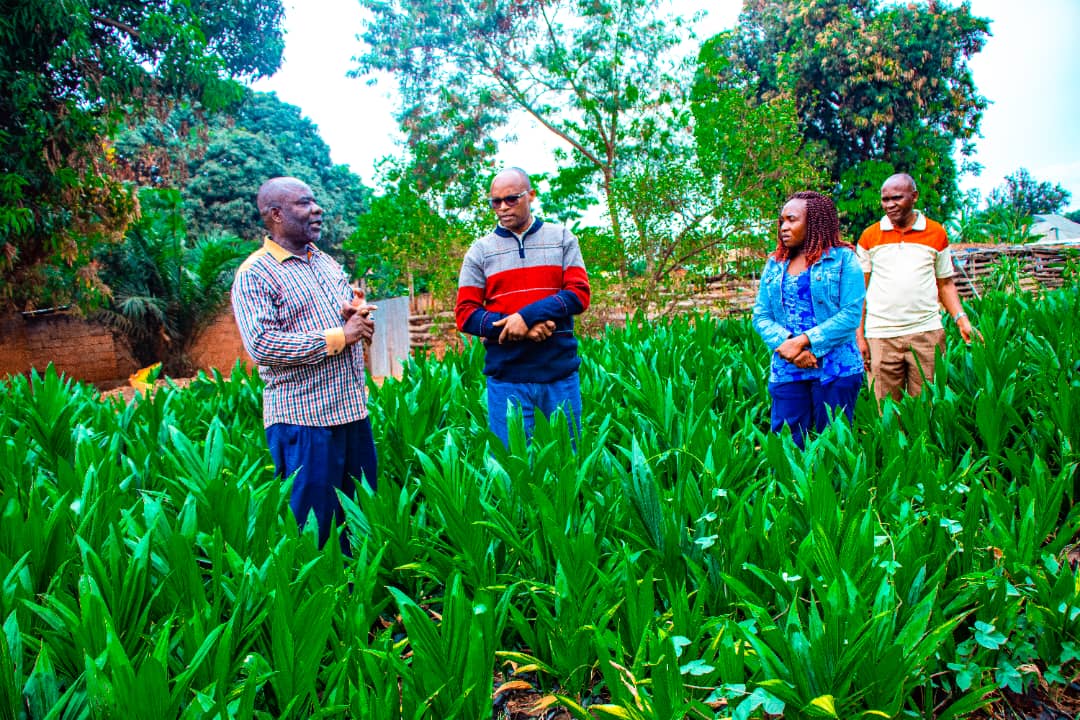
Tanzania is stepping up interventions to improve its global ranking in oil palm production while expanding the availability of raw materials for edible oil production in the country.
Currently, the country ranks approximately 38th globally in palm oil production, with annual output estimates ranging from 5,600 to 24,600 tonnes, which is relatively low compared with major producers such as Indonesia and Malaysia, according to data from the Food and Agriculture Organization (FAO).
Domestic production of this key economic crop is estimated at between 5,600 and 24,696 tonnes, meeting only a small fraction of the country’s total edible oil demand.
To improve the sector’s performance, the Government of Tanzania, through the Ministry of Agriculture, has been implementing a set of strategies.
These strategies focus on increasing the production of improved seedlings and providing essential training to farmers to equip them with recommended agronomic practices.
As part of the ongoing efforts, the Agricultural Seed Agency (ASA) has entered into a contract with Yangu Macho Group Ltd for the production of 500,000 seedlings.

Under the signed agreement, the Kigoma-based company will produce improved Tenera seedlings, a high-yielding variety renowned for its capacity to produce edible oil and other essential raw materials for processing.
Speaking shortly after a brief signing ceremony, ASA Production Director, Dr Justin Ringo, said the development reflects ongoing efforts by the state-owned seed multiplication agency to expand its seed production capacity.
He noted that increased production would enable the agency to expand seed distribution to oil palm farmers, a development expected to boost oil palm production, a key source of raw materials for edible oil manufacturing in Tanzania.
“The company we have entered into a contract with is among the major stakeholders in Tanzania’s oil palm sector. We therefore remain optimistic that it will fulfil the contract by producing high-quality seedlings,” he said.
Furthermore, he said ASA was working around the clock to ensure that Tenera oil palm varieties produced in Tanzania meet the recommended quality standards.
He added that ASA had planned to produce a total of 600,000 Tenera seedlings during the 2026/27 season through various private-sector seed-producing companies working with the agency.
For his part, Yangu Macho Group Ltd Manager, Mr Jumapili Mpoki, thanked ASA for selecting the company to implement the contract.
“We will implement this contract professionally to ensure that the seedlings produced meet all the required quality standards in terms of growth potential and oil yield,” he assured.
According to statistics from the Tanzania Agricultural Research Institute (TARI), Kihinga Centre, the national research centre for oil palm in Tanzania, the country has so far produced 4,870,000 Tenera oil palm seedlings, of which 3,910,000 have been planted across 27,343 hectares.
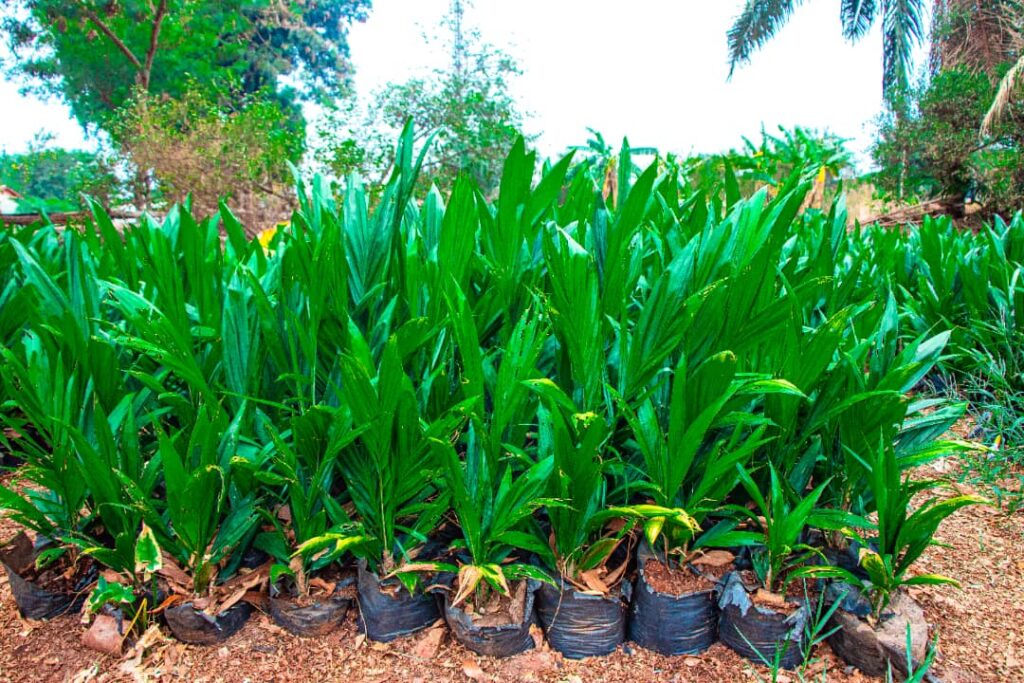
The centre’s director, Dr Fison Kagimbo, said the seedlings had been distributed to 39 local government authorities, including eight in Kigoma Region and 31 outside the region.
“We are currently implementing an assignment from the Ministry of Agriculture to produce 2,000,000 Tenera oil palm seedlings by December 2027,” he said.
He added that, under the initiative, the pollination process had been completed and the centre had begun harvesting mature seed bunches for processing before the seeds are planted in nurseries.
He said farmers using improved Tenera seeds could obtain between five and six tonnes of oil per hectare, at least five times the yield from the local Dura variety, which produces only about one tonne of oil per hectare.
He further noted that approximately 500,000 hectares of land in Tanzania were suitable for oil palm cultivation.