




By Damas Makangale, Dar es Salaam
In many developing countries, including Tanzania, nuclear technology is often associated primarily with warfare and the destructive power of nuclear weapons. This perception has contributed to limited public understanding of nuclear technology’s potential to improve people’s livelihoods and support socioeconomic development.
However, nuclear science and technology have applications far beyond military use, offering opportunities in healthcare, agriculture, industrial development, scientific research and energy production.
As African countries explore the potential of nuclear technology and uranium resources, experts say greater public awareness, investment in education and skills development are essential for maximising its benefits.
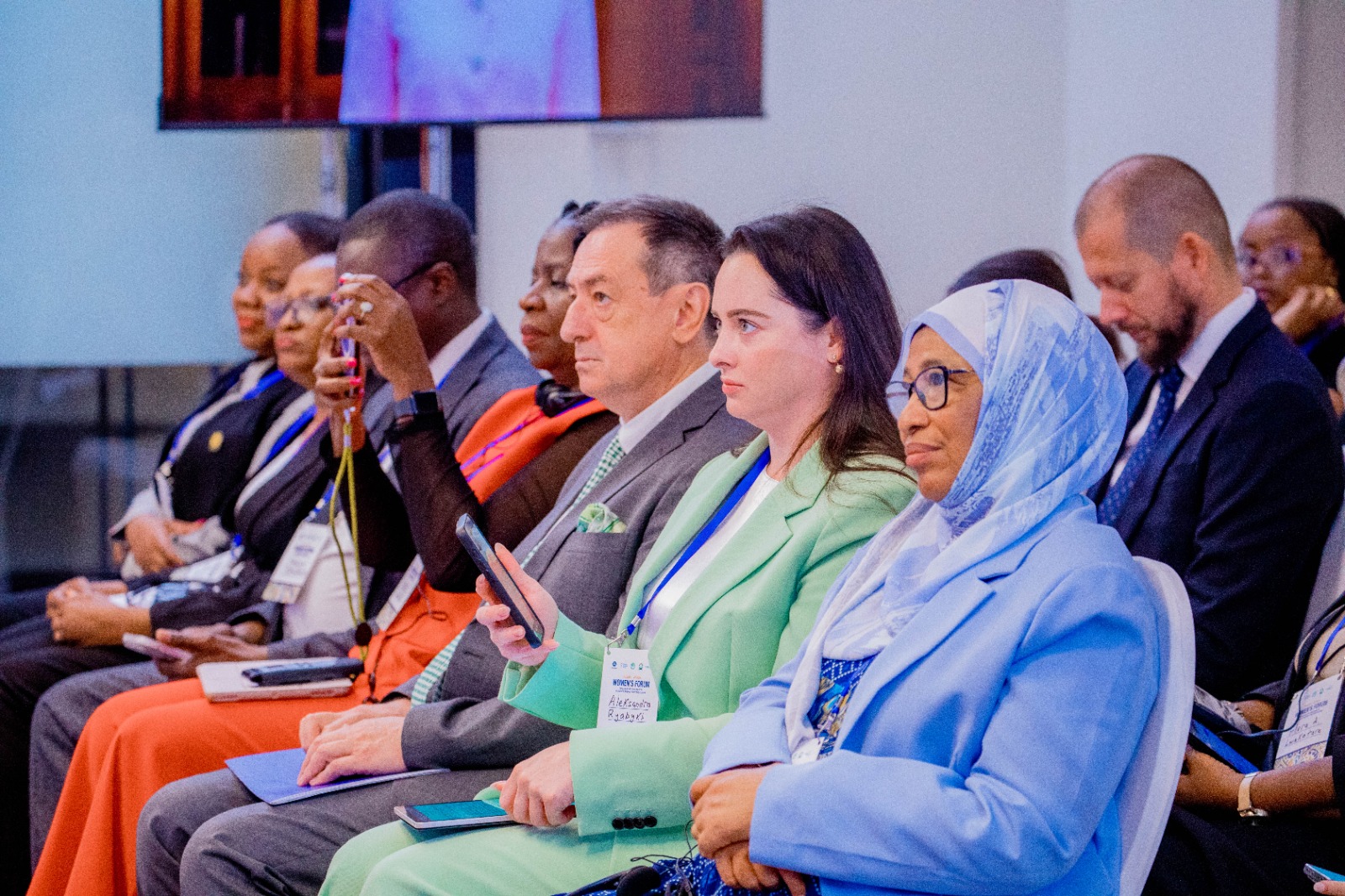
These issues featured prominently at the Russia-Africa Women’s Nuclear Forum 2026 held in Dar es Salaam last week under the theme “Dialogue of Continents: Nuclear Energy for the Future.”
The forum was organised by Women in Nuclear Tanzania (WiN Tanzania) and the Association of Women in Nuclear Russia, with support from the Tanzania Atomic Energy Commission (TAEC), WiN Africa, Rosatom State Corporation, the Council of the Eurasian Women’s Forum and the International Council for the Support and Development of Women in Industry and Technology (ICWITI).
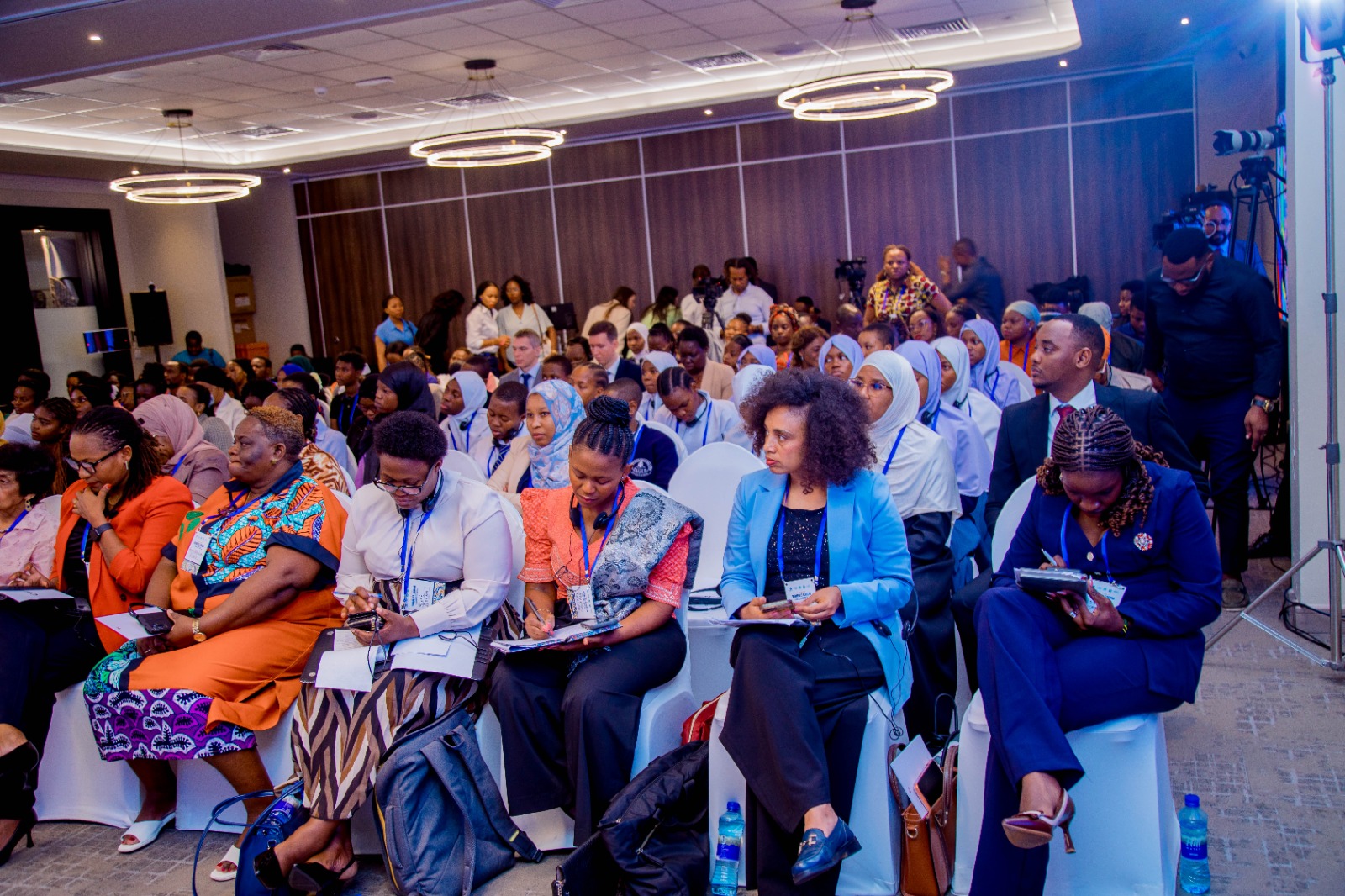
Participants from Tanzania, Russia, Egypt, Uganda, Zambia, the Democratic Republic of the Congo (DRC), Ethiopia and South Africa discussed opportunities for advancing nuclear science and technology, while promoting women’s participation.
For Tanzania, one of the priorities is to strengthen public awareness and develop a skilled workforce through education, particularly by encouraging girls to pursue science subjects from primary and secondary school through university.
Speaking at the opening of the forum, TAEC Director General and WiN Tanzania President, Prof Najat Mohammed, said the country was developing a professional environment aimed at increasing women’s participation in nuclear science, energy, medicine and technology.
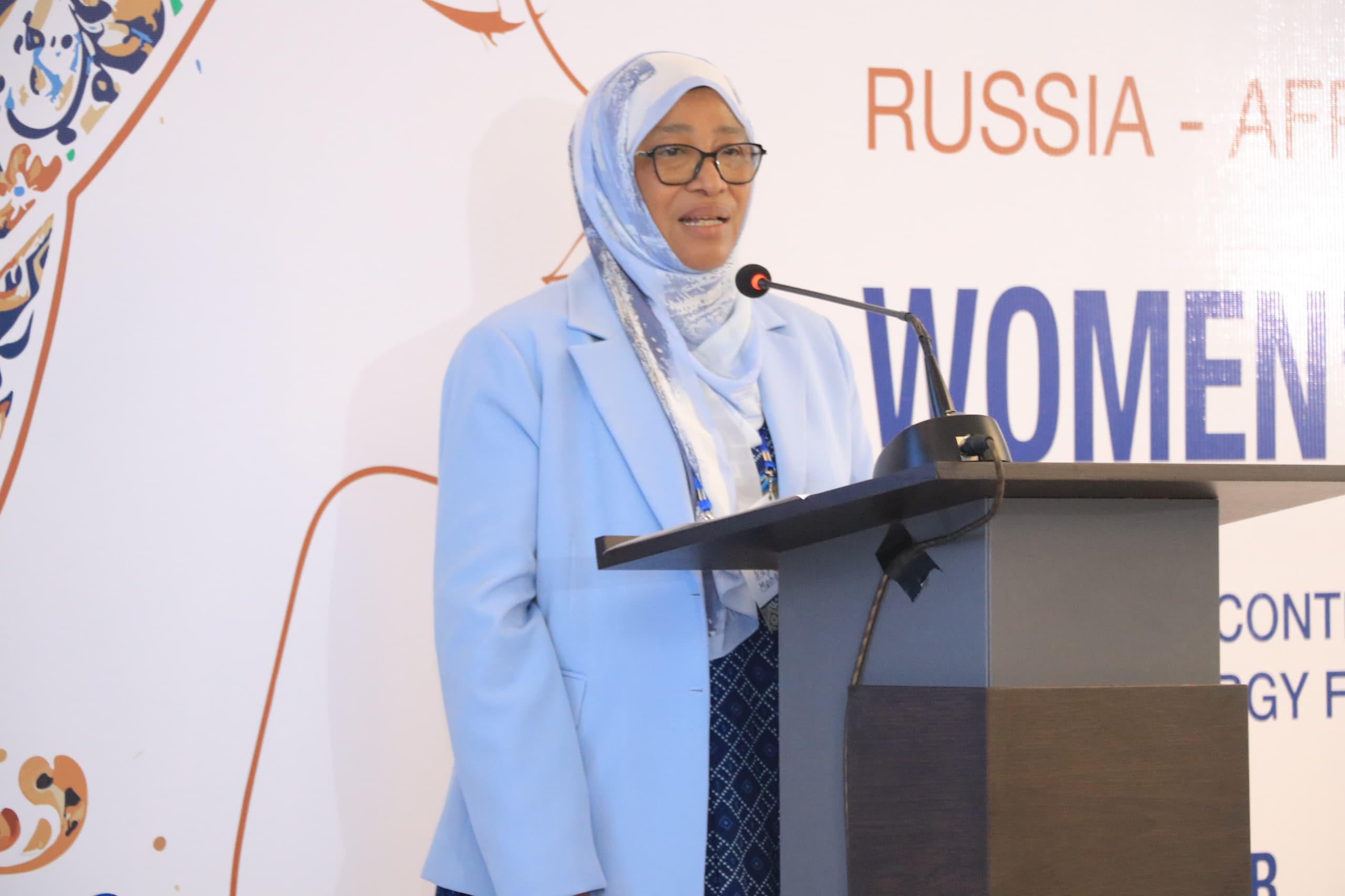
“We are strengthening professional connections, raising awareness of the applications of nuclear technologies in healthcare, agriculture, industry and scientific research, and working to make these fields more accessible to women,” she said.
Prof Mohammed stressed that preparing girls for career development in nuclear science and technology should begin early in their education, noting that a strong foundation in science subjects would help them develop the knowledge and skills required to participate in the sector.
“If we want to see more women working in nuclear energy, engineering and science in 10 or 15 years, we must begin supporting them long before they enter the labour market. We must start at school,” she said.
According to Prof Mohammed although women contribute significantly to Tanzania’s economy, their representation in engineering and technology remains limited.
She said one of WiN Tanzania’s key missions was to demonstrate to girls that science, mathematics, nuclear technology and engineering could offer meaningful professional opportunities.
She identified the Samia Scholarship Extended Programme, implemented with the participation of the Ministry of Education, Science and Technology and TAEC, as instrumental in developing the country’s human capital in nuclear science and technology.
She explained that the programme provides talented Tanzanian students with opportunities to study nuclear science and technology at international universities before applying their knowledge and skills to national development.
She said the initiative formed part of the country’s long-term efforts to prepare a new generation of specialists while ensuring girls and young women had equal access to educational opportunities.
“So far, 11 beneficiaries have been granted scholarships in nuclear energy, medical physics and nuclear medicine,” she said.
Of these, she said, four were female students studying medical physics, nuclear medicine and nuclear engineering. “We encourage more girls to apply for the next round of scholarships,” she added.
Prof Mohammed said WiN Tanzania representatives had begun visiting secondary schools to introduce girls to educational and career opportunities in nuclear science.
Students from Jangwani and Chang’ombe secondary schools had also participated in activities organised by the network, she said.
However, she emphasised that encouraging interest in science must be accompanied by practical opportunities for young women to develop their skills.
Such opportunities include meeting women scientists and engineers, accessing laboratories, participating in practical activities and learning about modern technologies used internationally.
For female university students, she said, the next steps should include research projects, mentorship programmes, internships and partnerships with industry organisations.
Nuclear Technology As A Development Tool
Speaking on behalf of the Permanent Secretary in the Ministry of Education, Science and Technology, Prof Carolyne Nombo, the ministry’s Assistant Director of Science and Technology, Dr Harun Makandi, said nuclear technology offered significant opportunities to address Africa’s social and economic challenges.
He urged stakeholders to recognise nuclear science and technology as instruments of national development rather than associating them exclusively with military applications or perceived hazards.
“It is the right time for scientists, policymakers, nuclear engineers and international development partners to share knowledge, best practices and experience to foster the development of nuclear technologies and their application in Africa,” Dr Makandi said.
His remarks underscored the importance of cooperation among governments, scientists, educational institutions and development partners in expanding the peaceful applications of nuclear technology across the continent.
Uganda Highlights Women’s Contribution
Meanwhile, the President of Women in Nuclear Uganda and a specialist at Uganda’s Atomic Energy Council, Ms Ruth Asaba, said women were making important contributions to the country’s nuclear programmes.
She noted that nuclear science and technology had applications in medicine, education and research, with the potential to contribute to Uganda’s broader socioeconomic development.
“Uganda recognises the potential of nuclear science and technology in contributing to national socioeconomic development and addressing challenges in every sector that touches the lives of ordinary Ugandans, from urban to rural areas,” she said.
Ms Asaba emphasised the importance of investing in girls and young women to prepare the next generation of nuclear engineers and scientists who could contribute to Africa’s prosperity.
She said women in Uganda had an important role to play in shaping a safe, inclusive and sustainable nuclear future.
“Women in Uganda are increasingly taking on important technical and leadership responsibilities within the nuclear sector while paving the way for more women to join the industry,” she said.
Ms Asaba added that the forum represented an important step towards supporting Africa’s industrialisation ambitions and addressing challenges related to employment, healthcare, infrastructure and agriculture.
Developing The Next Generation Of Nuclear Professionals
The President of Women in Nuclear South Africa (WiNSA), Ms Noxolo Kunene, called for greater investment in nurturing talent and ensuring that people who acquire professional skills were given opportunities to apply them.
“One of the greatest tragedies of development is not only the talent we fail to cultivate, but the talent we cultivate and then fail to utilise,” she said.
Ms Kunene said engineers, technocrats, policymakers and educationists had a responsibility to prepare children for future careers in nuclear science and technology through quality education, guidance and discipline.
She also highlighted the importance of energy in industrialisation, noting that reliable energy supplies could strengthen productive capacity and help translate economic opportunities into tangible development benefits.
Russia–Africa Cooperation
Earlier, the Ambassador Extraordinary and Plenipotentiary of the Russian Federation to Tanzania, Andrey Avetisyan, said stronger cooperation between Russia and African countries was essential for advancing nuclear science and technology for socioeconomic development.
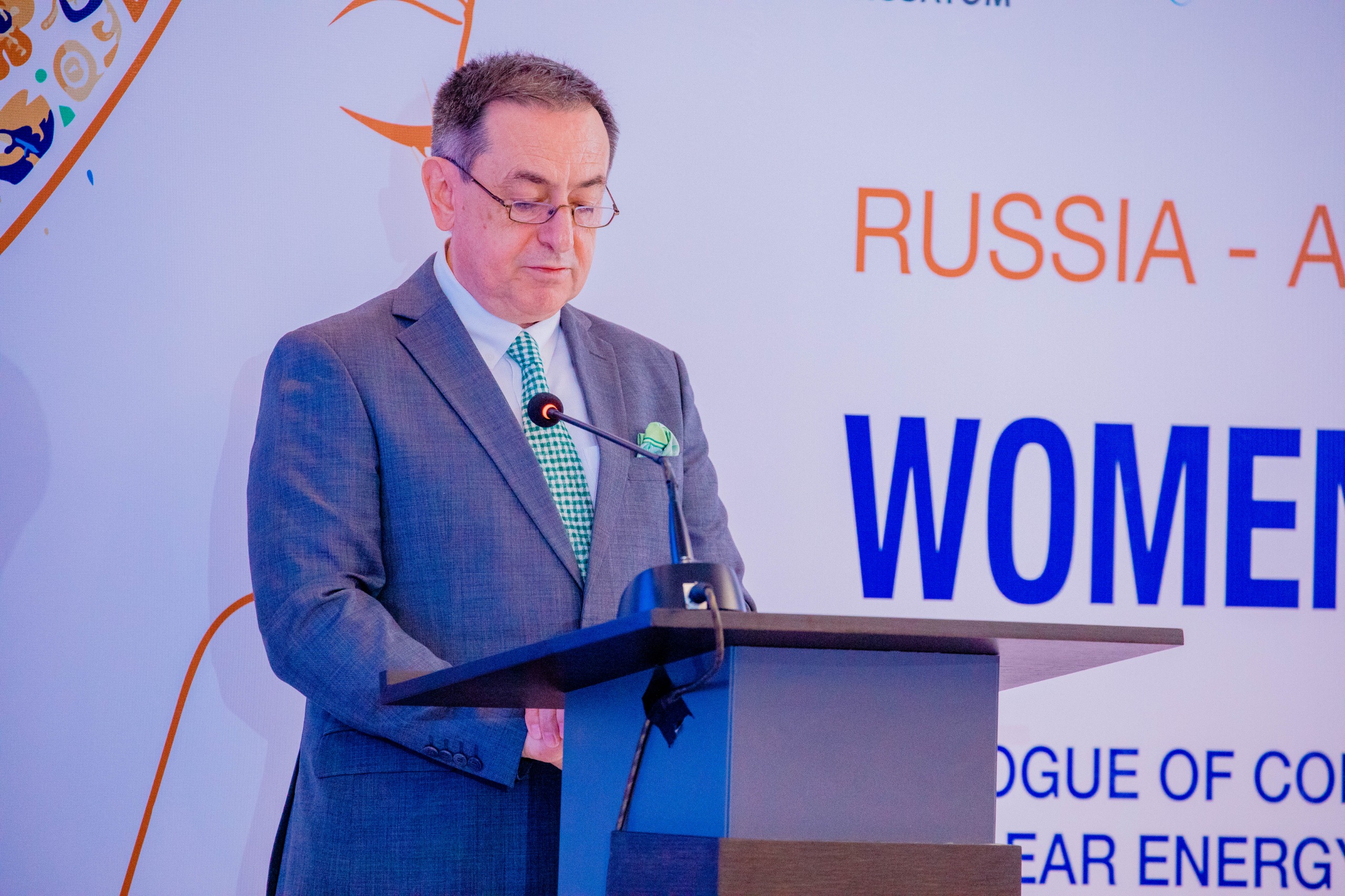
He said sharing expertise, experience and knowledge between Russian and African scientists could help expand the application of nuclear technology in healthcare, agriculture and other critical development sectors.
The forum brought together representatives from eight countries—Tanzania, Russia, Egypt, Uganda, Zambia, the Democratic Republic of the Congo, Ethiopia and South Africa—to exchange knowledge, strengthen professional networks and explore opportunities for collaboration.
Beyond promoting the peaceful applications of nuclear technology, the gathering highlighted the importance of building local expertise, expanding educational opportunities and increasing women’s representation in scientific and technical professions.
The discussions reinforced the view that Africa’s ability to benefit from nuclear science and technology will depend not only on technological advancement and international partnerships, but also on public understanding, investment in human capital and the inclusion of women in shaping the continent’s scientific and industrial future.