



Nordic Project Rolls Out Sh458 Million Worth Of Implements to Boost Forest and Wood Training In Tanzania

Various international development partners continue to provide substantial support aimed at enabling Tanzania to manage its forest resources professionally and maximise the benefits derived from them.
Endowed with at least 48.1 million hectares of forests spread across different parts of the country, Tanzania needs to continue developing highly skilled experts in the forestry and wood industries to heighten economic gains from the sectors.
Located in Mafinga town, Mufindi District, Iringa Region, the Forestry and Wood Industries Training Centre (FWITC) has for years been producing highly skilled experts to serve various sectors of Tanzania’s forest industry.
Established in 2016 by the Private Forestry Programme (PFP), a bilateral initiative between Finland and Tanzania, the vocational training facility offers courses for Forestry Attendants and Wood Industries Attendants at various levels.
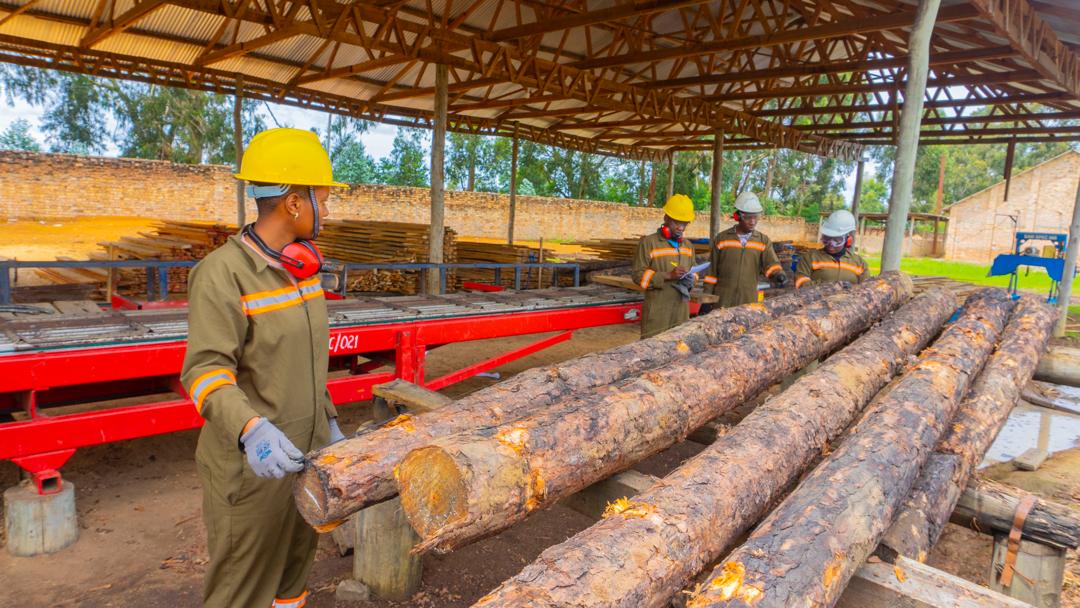
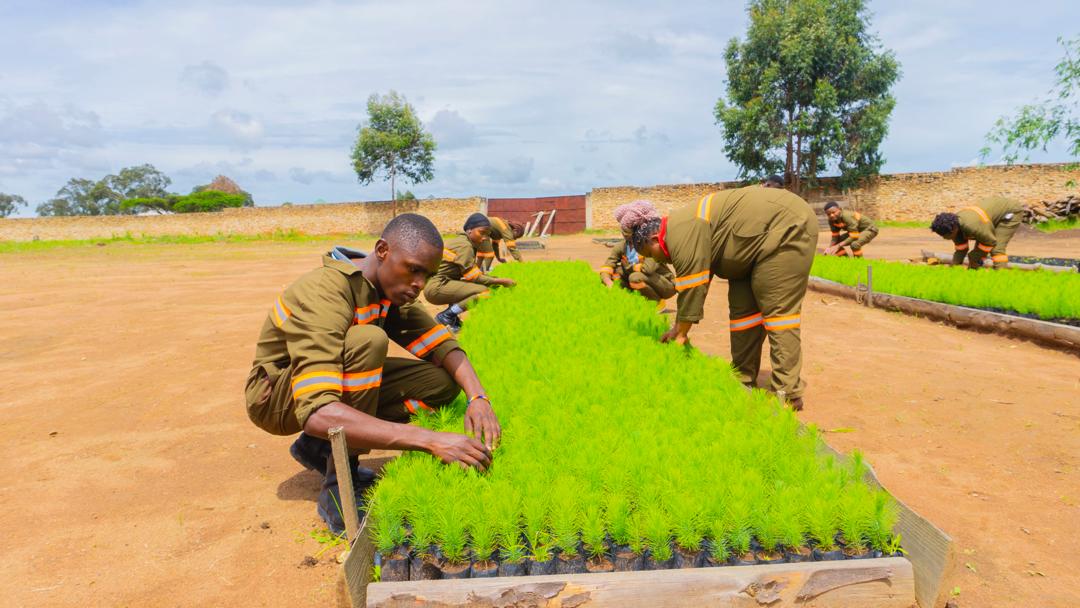
In forestry, the facility provides training in tree nursery management, plantation operations, harvesting and integrated fire management, while in the wood industry, its training programmes cover sawmilling, saw blade maintenance, wood treatment, furniture-making and joinery.
To further standardizing the facility’s practical trainings, the Forestry, Land Use, and Value Chains Development in Tanzania (FORLAND), has handed the Center with key training equipments, worth at 458m/-.
FORLAND is a bilateral initiative between the government of Tanzania (Ministry of Natural Resources and Tourism) and the government of Finland.
The project runs for four years from 2025 to 2029, focuses on consolidation of previous initiatives (PFP2 and FORVAC) to promote sustainable wood value chains, secure rural livelihoods, and enhance climate-resilient forestry practices.
The donated equipment includes, one bus, a Wood-Mizer HR200 Resaw machine, a modern timber-drying kiln, machines for joining timber beams and veneer, TOYO three-wheeled transport vehicles, as well as equipment for carrying and handling raw materials.
FORLAND’s Chief Technical Adviser, Mr Michael Hawkes, said the equipment would enable students to learn using technologies applied in real industrial production environments, thereby preparing them to meet labour market demands.
He stressed that the effectiveness of the investment would depend on the proper use and maintenance of the equipment, urging the centre’s management to ensure that servicing was carried out on time.
The Coordinator FORLAND, Nyachia Roberts said the centre had been producing graduates with practical skills required by forestry industries in the Southern Highlands, noting that some companies approached the institution to request workers even before they completed their training.
Roberts said the bus would reduce reliance on the few vehicles previously available and cut transport hire costs. He also expressed gratitude to the Government of Finland for funding the initiative and the Government of Tanzania for its cooperation in implementing the project.
Meanwhile, the Assistant Director of Forestry Development in the Ministry of Natural Resources and Tourism, Mr Seleboni Mushi, said the equipment would expand opportunities for practical training and strengthen students’ ability to use modern technologies.
He urged the centre’s management to ensure that the equipment was properly maintained and used for its intended purposes, adding that the ministry would continue overseeing training programmes aligned with the needs of the forestry sector.
Finland Embassy representative in Tanzania, Sanna-Liisa Taivalmaa, said her country would continue supporting efforts to strengthen training and add value to forest products.
FWITC Acting Principal Walter Moshi thanked the project for the support, saying it would improve the learning environment and better prepare students to meet labour market demands.
One of the students, Abdul Mfaume, said they had previously been required to contribute towards the cost of hiring vehicles for field visits. He said the new bus would ease the burden and enable students to participate in practical training more conveniently.