



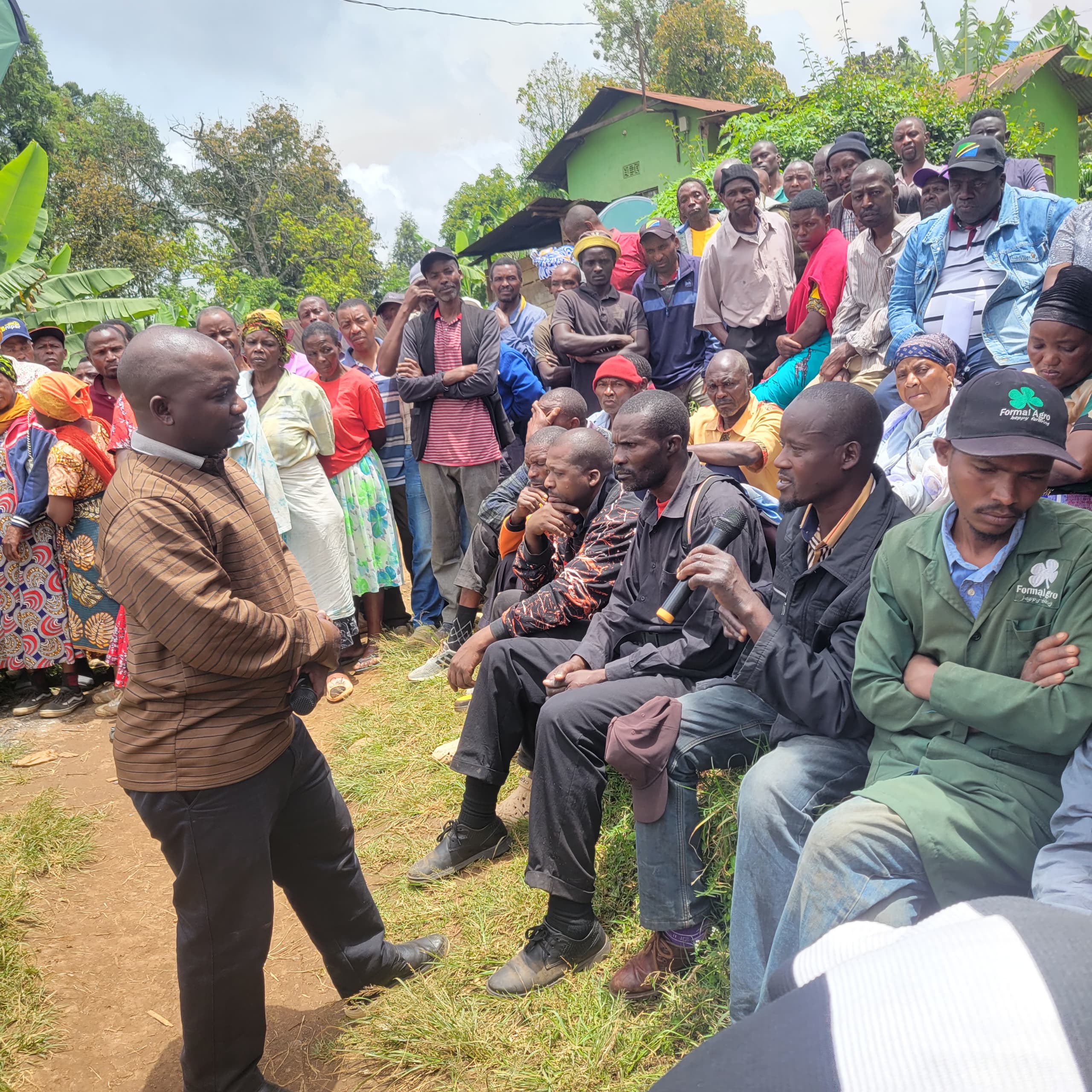
Agricultural research in Tanzania has established that fruit flies cause up to 25 percent losses in avocado production in Northern Tanzania, while the false codling moth causes losses of nearly 40 percent in oranges.
For years, many farmers in the country’s fruit-growing regions have depended heavily on chemical pesticides, which can be unsafe for the environment, consumers’ health, and the fruit market if they are not applied properly.
To that end, the Tanzania Agricultural Research Institute (TARI), in collaboration with the Kenya-based International Centre of Insect Physiology and Ecology (ICIPE), has launched a specific project aimed at intensifying the dissemination of Integrated Pest Management (IPM) technologies.
Dubbed the “Fruit Tree Agroecological-Based IPM Project,” the robust initiative focuses on protecting avocado, mango, and orange production in the Kilimanjaro and Tanga regions, which have been facing severe damage from fruit flies and false codling moths.
Through the GIZ-funded project, implemented through ICIPE, fruit farmers in Siha, Hai, and Muheza districts are being trained on alternative technologies aimed at breaking the reproduction cycle of these pests and ultimately reducing the extensive use of chemical pesticides.
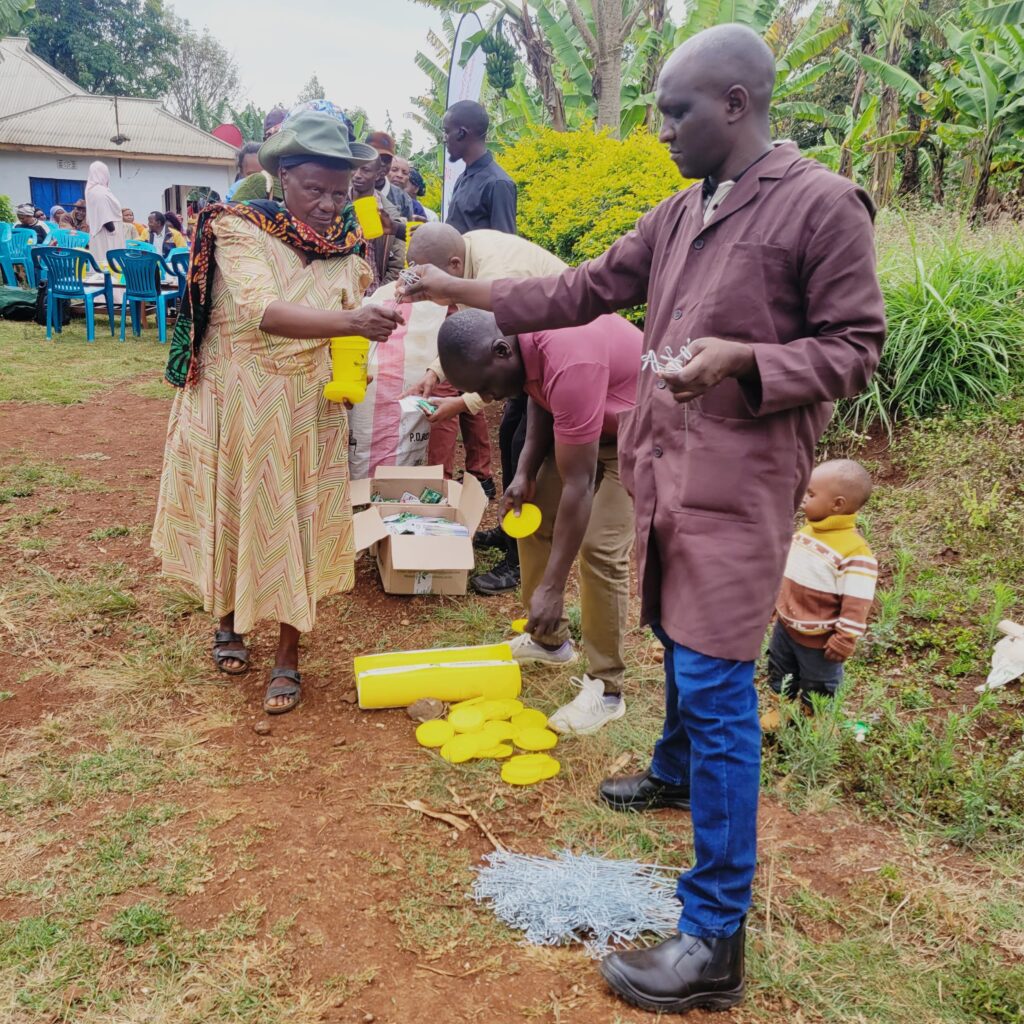
The project’s lead scientist from TARI, Dr. Abdullah Mkiga, revealed that the IPM technologies being rolled out include regular on-farm monitoring, the use of specialised traps, biopesticides, and protein bait traps, which are mainly used to attract and kill female flies that need protein for egg development.
“Other methods include orchard sanitation through the use of special tents for storing rotten fruits (augmentoria) to prevent pests from breeding,” Dr. Mkiga explained.
He informed that the final technique is the use of parasitoid wasps under the supervision of relevant authorities.
“This biological technology is useful in controlling fruit flies that damage mangoes, oranges, and avocados, as well as some fruit vegetables,” he added.
To ensure the sustainability of the project, a two-day training session, held on September 27 and 28, 2026, was organised by TARI and ICIPE for a total of 259 farmers from Siha and Hai districts, who were also provided with fruit fly traps.
The training also involved extension officers and Elephant Vert Company from Arusha region, which produces and distributes traps and biopesticides.
The aim of bringing together farmers and input suppliers is to ensure access to IPM technologies and equipment. Farmers who attended the training commended the researchers’ efforts to disseminate IPM technologies and requested that researchers extend the knowledge to other wards that have not yet benefited.
“These technologies, if adopted by all farmers, will make it easier to control pests on a wider scale (area-wide control). We plan to expand the scope of the project to reach many farmers. In the areas where we have trained, we have witnessed that farmers have understood the technologies, and we have linked them with input suppliers,” Dr. Mkiga said.