



Tanzania Works to Bolster Sisal Production to Enable the Country to Tap Global Market for the Flowering Plant

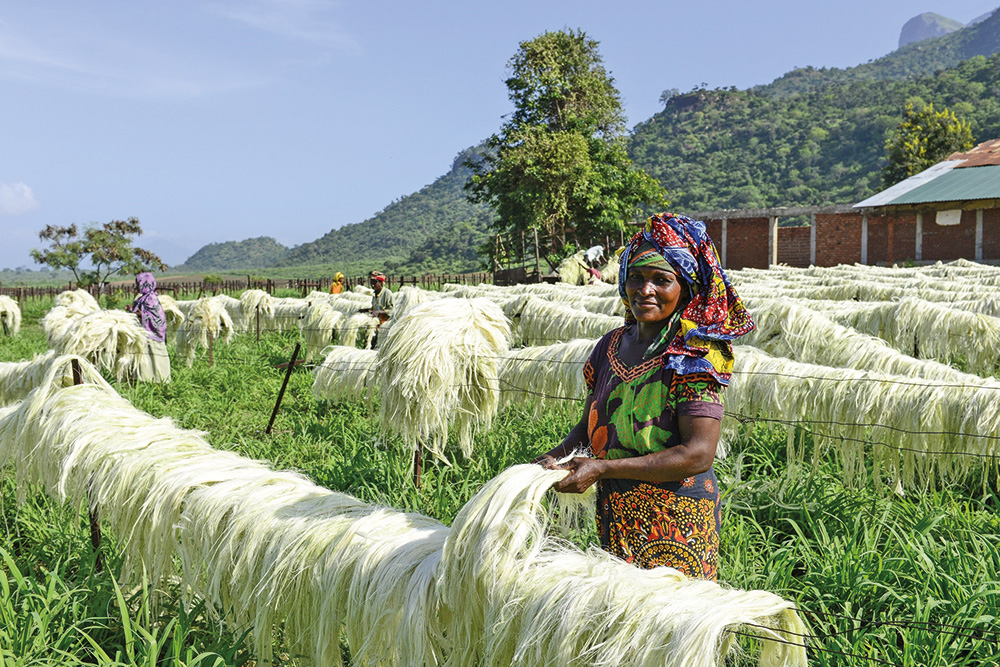
A total of 44,123,500.9 hectares of land in Tanzania, equivalent to 46 percent of the country’s total land area, is suitable for growing sisal.
But despite being presented with this crucial economic opportunity, cultivation of the economic flowering plant in the country remains at a low level due to some constraints, including the limited availability of improved seedlings for farmers.
In Tanzania, sisal is currently produced in the regions of Tanga, Katavi, Morogoro and some parts of Kilimanjaro.
Relevant statistics show that Tanzania currently ranks second in the world in sisal cultivation, after Brazil, with the country producing an estimated 60,000 tonnes of fibre annually.
The vast market for Tanzania’s fibre is based in Middle Eastern countries.
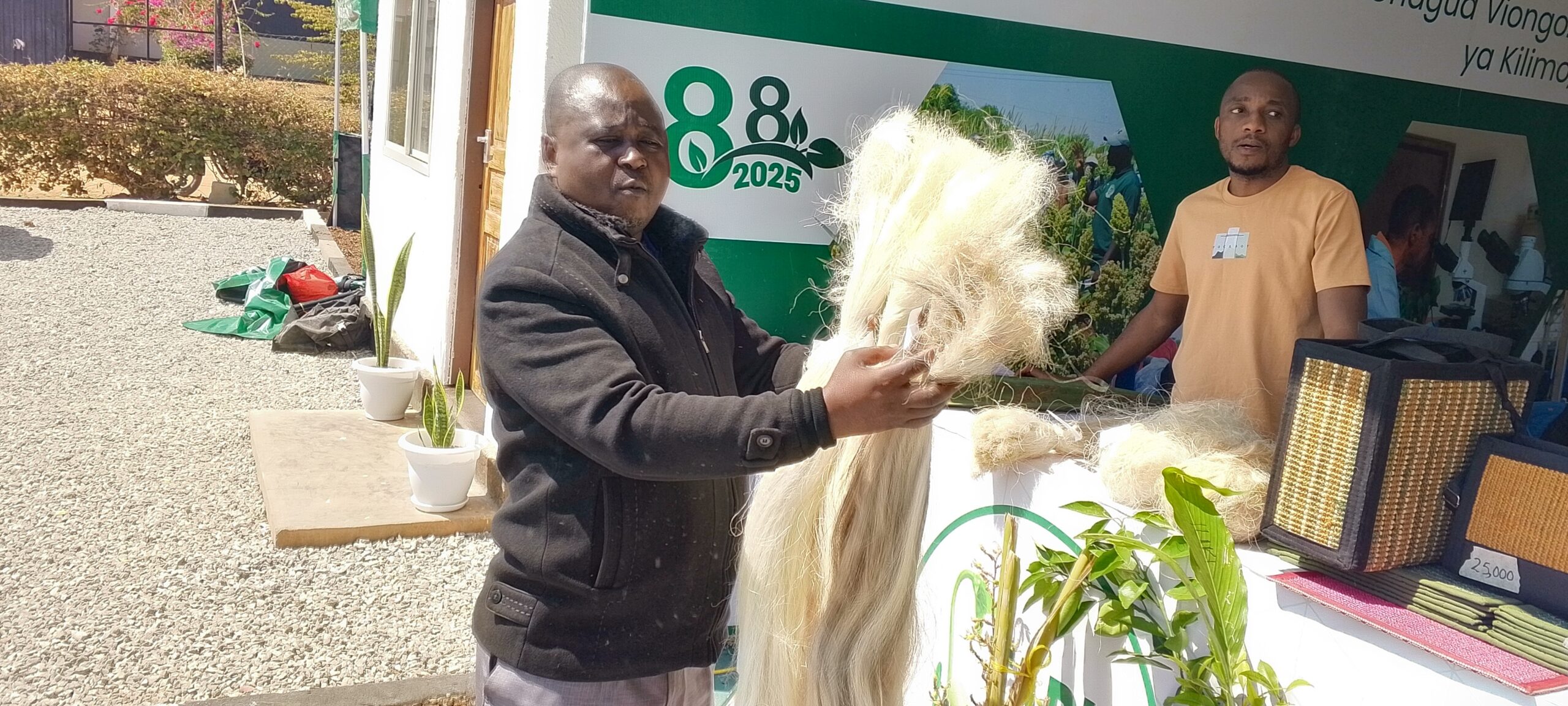
To ensure that the country utilises its endowed sisal potential, the government, through the Ministry of Agriculture and its institutions, particularly the Tanzania Agricultural Research Institute (TARI), is taking vital steps to improve production and productivity in the sector.
These efforts take into account strategies to produce enough improved seedlings and make them available to farmers.
Moreover, the interventions are also aimed at equipping farmers engaged in the sector with recommended agronomic practices.
While demand for sisal seedlings in Tanzania is estimated at 10 million annually, the country currently has the capacity to produce only 5 million seedlings, exacerbating the low production of the crop across the country.
To that end, the Tanga-based Mlingano Centre of TARI has embarked on a tailor-made initiative for the production of improved sisal seedlings, coded H11648.
Through the programme, the state-owned agricultural research institute has so far planted the relevant seeds on a total of 30 hectares, with a yield of up to 3 million seedlings.
The target is to ensure that farmers in all regions producing sisal have access to enough seedlings in order to boost production.
Under the well-arranged scheme, sisal growers are purchasing the improved seedlings at a subsidised price of at least 130/- per seedling.
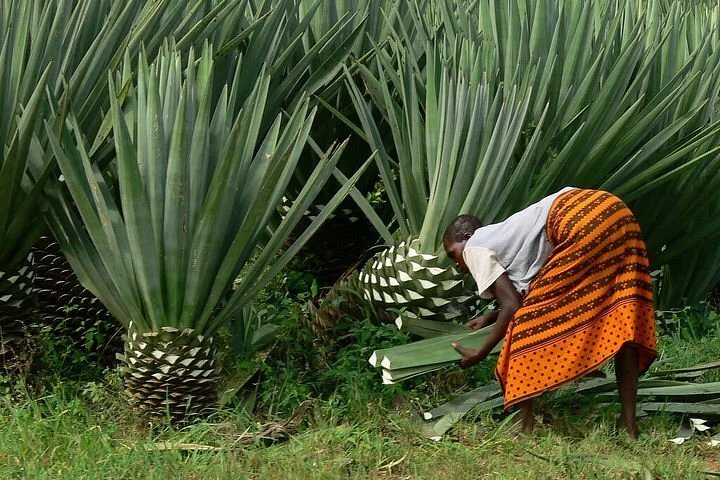
As part of further steps to boost the performance of the economic sector in Tanzania, the parent ministry is working in sync with TARI to sensitise farmers in all regions where the crop can flourish to adopt its cultivation.
Sisal, Agave sisalana, was introduced to Tanganyika in 1893 by the German agronomist Dr. Richard Hindorf. Tanzania was the world’s leading exporter of sisal, which served as the nation’s top foreign exchange earner.
Production peaked in 1964 at around 250,000 tonnes, but later dropped significantly due to synthetic nylon substitutes, estate nationalization, and changing global markets.