



Tanzania has a major opportunity to become an important part of global mineral value chains if the country manages to mobilise sufficient financial resources to invest in the installation of cloud-connected mineral processing technologies.
This will enable the East African country, which is endowed with abundant mineral resources, to shift from being merely a producer of mineral resources to becoming a destination for mineral processing, manufacturing and value-added investment.
To attain this vital economic status, the government of Tanzania is currently working on a special strategy to woo potential international investors who will go beyond mining by bringing capital, technology, expertise and access to international markets to establish processing, refining and manufacturing operations, infrastructure, professional services and other mineral-related businesses.
The strategy was unveiled by the Deputy Permanent Secretary in the Ministry of Minerals, Mr Msafiri Mbibo, on September 28, 2026, in Helsinki, Finland, while addressing the European Union–Tanzania Investment and Business Forum.
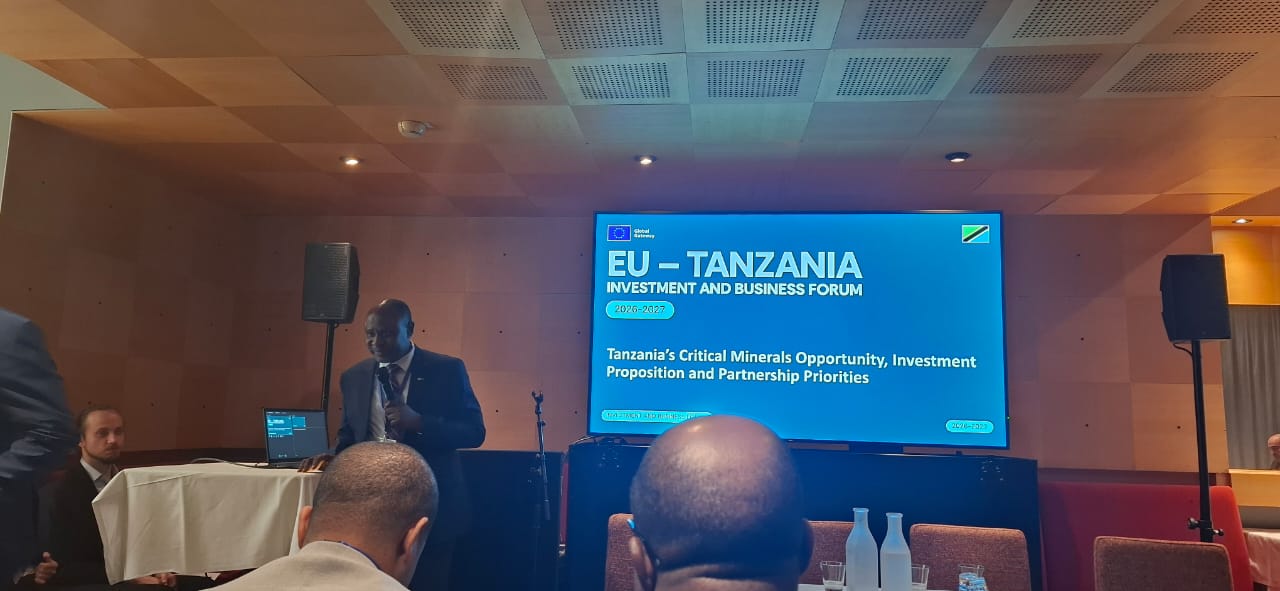
Mr Mbibo revealed that Tanzania is keen to transform the mining sector from dependence on mineral extraction and raw material exports towards building a competitive value chain encompassing processing, refining, manufacturing and the marketing of high-value mineral products.
He said Tanzania has a major opportunity to become an important part of global mineral value chains, citing the country’s abundant deposits of gold, diamonds, tanzanite, ruby, sapphire, tsavorite and zircon, as well as critical and strategic minerals including graphite, nickel, rare earth elements (REEs), uranium, copper and lithium.
“Among the prestigious investment opportunities currently available in the country are the Kabanga Nickel and Ngualla Rare Earth projects, graphite projects in Mahenge and Lindi, and the Sotta Uranium project, alongside other opportunities in gold, copper, lithium and gemstones,” he said.
He noted that Tanzania continues to strengthen an enabling investment environment through predictable policies and laws, formal agreement frameworks, improving infrastructure and a tax regime offering incentives to investors.
“The government is also continuing to improve energy, railway, road, airport and port infrastructure to support production, mineral processing and trade,” he said.
He said the Tanzania mining sector contributed 10.3 percent of Gross Domestic Product (GDP) in 2025 and accounted for more than 50 percent of Tanzania’s export earnings.
“This mineral wealth provides an opportunity for the country to increase revenues, create jobs, attract foreign investment and stimulate industrialisation,” Mr Mbibo said.
Moreover, he stressed that value addition, mineral processing and refining are critical to ensuring Tanzania retains a greater share of the value generated from its natural resources.
Mr Mbibo also invited investors, mining companies, financial institutions, technology providers and other stakeholders to participate in the 7th Tanzania Mining Investment Conference (TMIC 2026), scheduled for November 19–21, 2026, in Dar es Salaam.
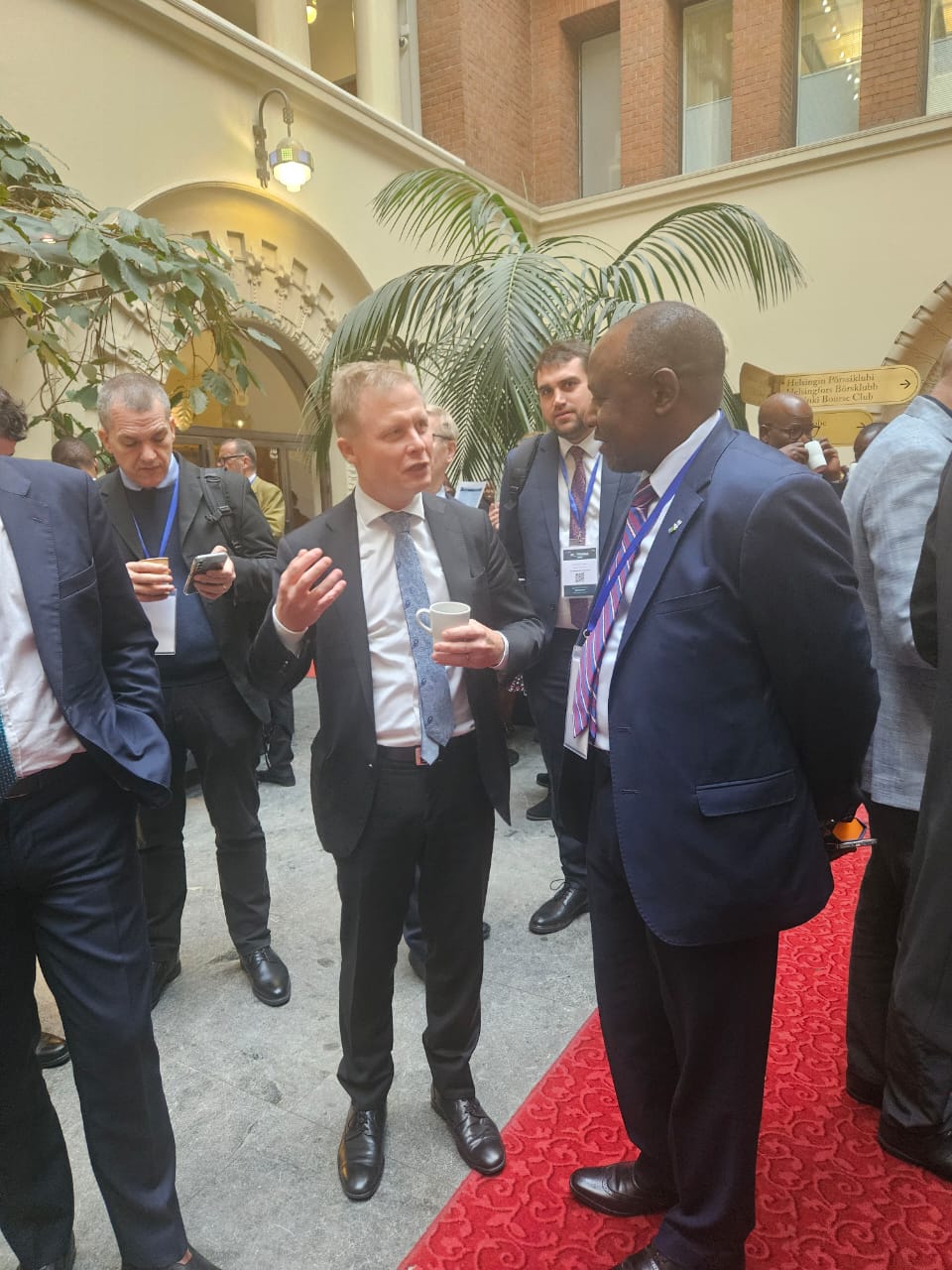
He observed that the conference will provide an opportunity for participants to explore investment opportunities, exchange technology and expertise, and establish long-term partnerships in mining, mineral processing, value addition and mineral development in Tanzania.
Meanwhile, the Executive Director of the Geological Survey of Tanzania (GST), Eng. Ally Samaje, said various areas across the country have significant investment potential in strategic minerals, including nickel, copper, cobalt, rare earth elements, tin, tungsten, gold, platinum group metals (PGMs), uranium, graphite, lithium, iron ore, helium, hydrogen, titanium minerals and heavy minerals.
He said the government is targeting a major expansion of geological exploration using High-Resolution Airborne Geophysical Surveys, increasing the area covered from the current 16 percent to 50 percent by 2030.
Geochemical exploration coverage is also targeted to increase from 24 percent to 50 percent over the same period, he said.
The government’s strategy is expected to position Tanzania not only as a producer of mineral resources, but also as a destination for mineral processing, manufacturing and value-added investment.
According to a World Bank report and data from the United States Geological Survey, Tanzania is projected to rank third in Africa and sixth globally in mineral wealth by 2050.
Tanzania is a global leader in critical minerals, ranking third in Africa and sixth worldwide. With a focus on sustainable mining and the implementation of its Vision 2030 strategy, the country plans to increase mineral exploration coverage to 50 percent by 2030, driving investment and regional collaboration.