



Strong Leadership, Policies and Reliable Institutions Attract Capital and Investment to East Africa

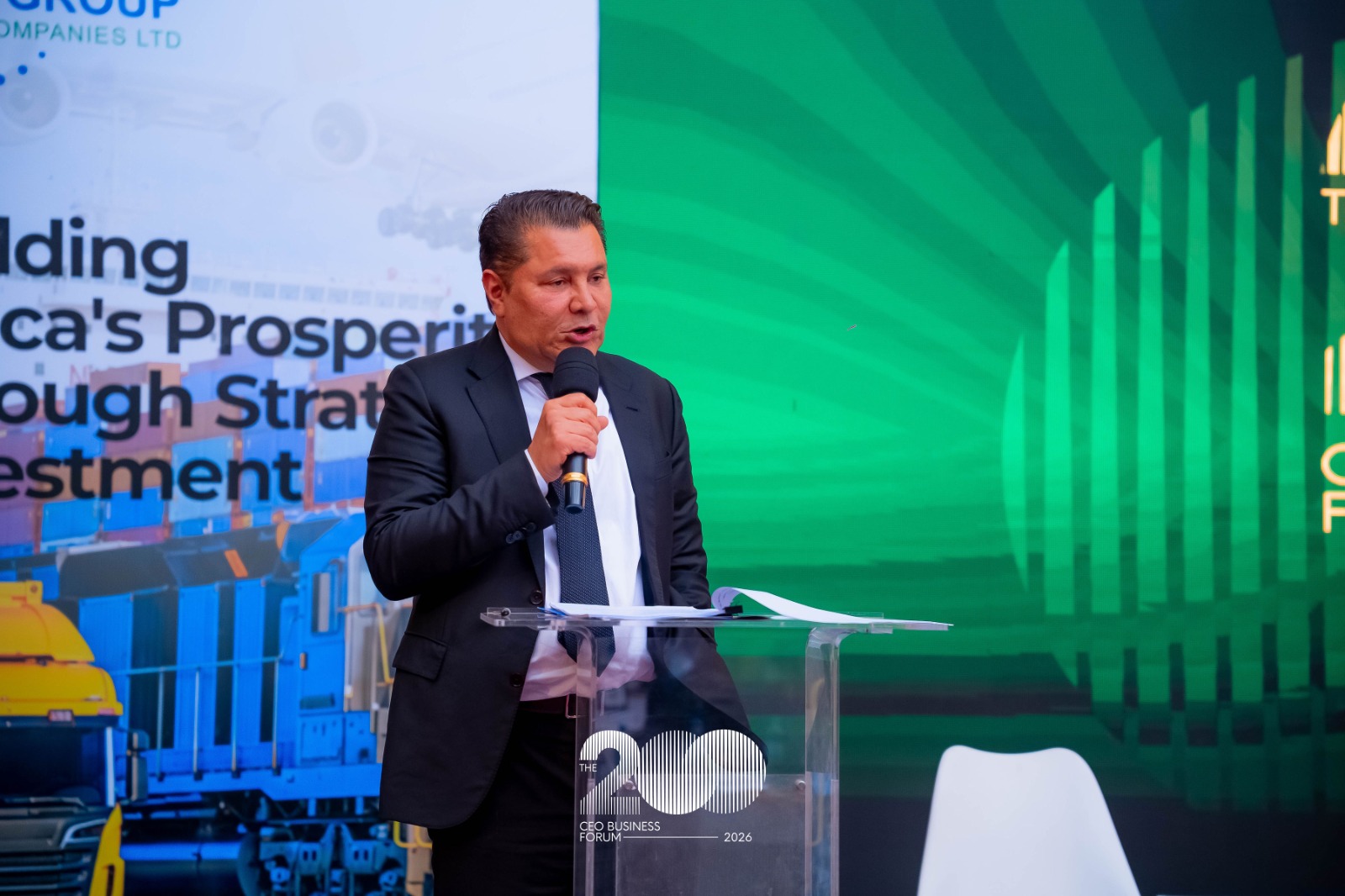
A prominent businessman and Taifa Group Chairman, Mr Rostam Azizi, has stressed that strong leadership, robust institutions, predictable policies and transparent systems will unlock investment opportunities and attract international capital to the East African region.
Speaking at the fourth 200 CEOs Business Forum, which brings together business leaders and investors in Dar es Salaam, Azizi said genuine cooperation between investors, businesspeople and governments must be built on sound tax systems, clear policies, effective regulations and strong legal frameworks in Tanzania and other East African countries.
He noted that it was important for East African governments to ensure that the region becomes a leading destination for international capital by creating a conducive and investor-friendly environment for investment and business.
“Let me begin by congratulating the organisers of the 200 CEOs Business Forum for bringing together government leaders, the private sector and investors to discuss one very important question: How can we make East Africa a leading destination for international capital?” Rostam Azizi asked.
He added that abundant natural resources, population size and geographical location alone were not enough to guarantee long-term investment from international investors. Rather, investors needed certainty, stability, growth and confidence.

He stressed that the forum should serve as a platform for decisions that would have a significant impact on capital mobilisation and implementation, while also identifying growing sectors, employment opportunities and ways to create new jobs across East Africa.
Azizi emphasised that the forum should go beyond impressive speeches and focus on identifying financial institutions that facilitate business and provide financing, industries that add value to raw materials, mining companies that unlock opportunities from natural resources, and successful telecommunications companies that connect millions of people across the East African region.
“Allow me to speak from my own experience. Over more than thirty years, through Taifa Group and our various partners, I have had the opportunity to invest in telecommunications, mining, energy, aviation, media and infrastructure,” Rostam Azizi said.
He added that many people believe investment begins with financial analysis, but that is not necessarily the case. Investors also want confidence in a country’s direction, respect for agreements and predictable policies.
Among other issues, he stressed the importance of having strong and credible institutions, clear regulations and a favourable investment environment supported by predictable legal and institutional frameworks that can deliver positive results.
He said East Africa was not merely a region of promise, but one offering real opportunities that required rapid digital transformation and ambitious strategies to connect with major global trade routes and unlock access to international capital.
“The entrepreneurial spirit across East Africa and the growth of the consumer market present a unique opportunity for members of the regional community to join forces and bring about a genuine transformation in investment.” He noted.
“Tanzania is at the centre of this opportunity, and our ports connect our economy with those of neighbouring landlocked countries and the rest of the world, providing access to regional and international markets.” Mr Azizi expressed.
He added that investment in ports, the Standard Gauge Railway (SGR), energy, transport systems and digital communications was strengthening this position by reducing the cost of doing business and increasing productivity.
Azizi said East African countries collectively represented a market of more than 300 million people, with abundant natural resources, a large youth population and steadily improving infrastructure.
“No single country in our region possesses every competitive advantage. No single economy has all the resources, and no single market can reach its full potential on its own,” he added.
Azizi said it was important for East African governments to begin strengthening cross-border infrastructure, reducing trade barriers, enhancing financial cooperation and facilitating the movement of capital, goods and skilled professionals across the region.
Tanzania’s Development Vision 2050
Meanwhile, Deputy Minister in the President’s Office for Planning and Investment, Dr Pius Chaya, who represented Prime Minister Dr Mwigulu Nchemba, said this year’s forum theme, “East Africa’s Capital Moment,” had come at an opportune time.
He said the forum was being held at a critical stage in the country’s development journey, as Tanzania had begun implementing its National Development Vision 2050 and the instruments designed to support its implementation.
Chaya said the vision outlined the country’s aspirations to build a prosperous, inclusive, resilient and self-reliant nation. It also provided a long-term direction for transforming the economy, improving citizens’ living standards and strengthening Tanzania’s competitiveness within East Africa and globally.
“Our ambition is to build a USD 1 trillion economy by 2050. Achieving this goal will require continuous improvements in productivity, industrialisation, technology, innovation, trade, human capital development and investment,” Chaya said.
He added that the government’s responsibility was to continue creating a favourable and predictable environment for investment and business.
This included maintaining macroeconomic stability, strengthening infrastructure, improving the regulatory environment, facilitating investment, expanding access to capital and strengthening public institutions.
He urged the private sector to improve productivity while strengthening good corporate governance, adopting modern technologies, developing human capital and building businesses capable of competing in Tanzania, East Africa and beyond.