
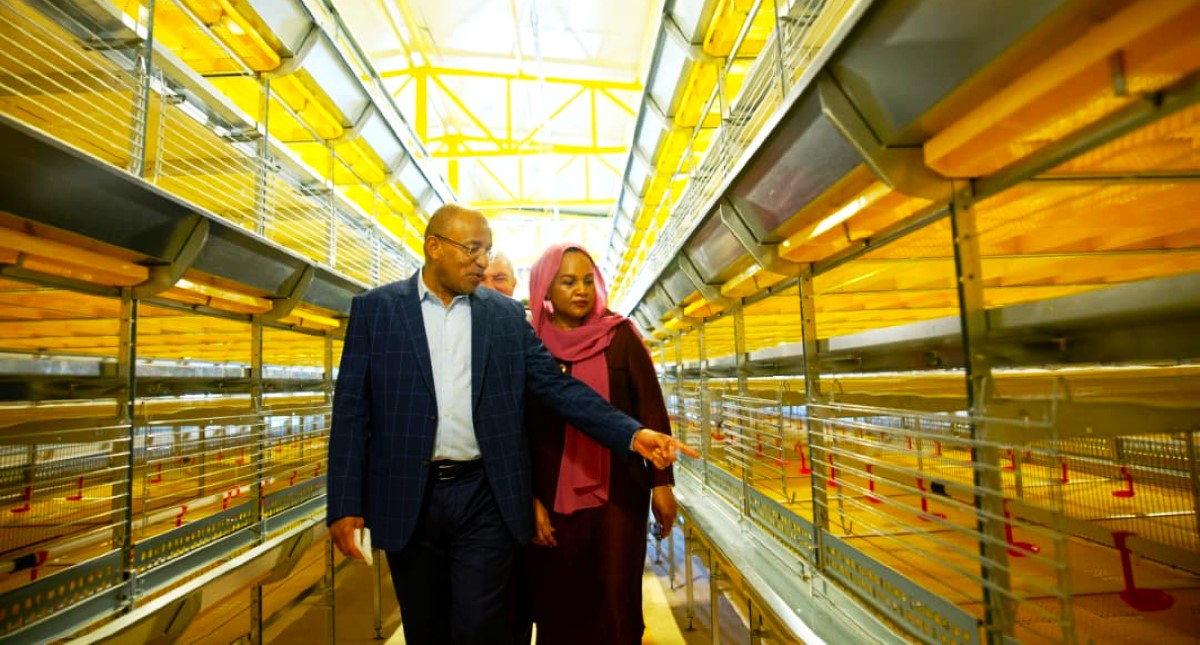
Zanzibar is working to reduce dependency on imported chicken to feed the Islands with the recent inauguration of a modern poultry farm in the Indian Ocean Isles.
Zan Breed Limited is the new poultry production facility with the reported capacity to yield more than 800,000 newly hatched chicks per month.
The chicken churning establishment was officially inaugurated by the President of the Revolution Government of Zanzibar, Dr Hussein Ali Mwinyi was especially impressed by the fact that the factory is yet another platform to create employment for the youth in the Isles.
Zan Breed is in the position to provide direct employment to over 1000 people.
To ensure quality production, the Zan Breed facility also features poultry clinics, a feed processing plant, laboratories, and a water treatment plant and related system.
Through increasing local production, the initiative will reduce Zanzibar’s dependence on imported chicken and make poultry-based meals more affordable among local families.
Chicken is the most popular type of meat in both Zanzibar and Tanzania mainland.
Dr. Mwinyi also directed the Ministry of Empowerment and the Ministry of Agriculture to ensure that small-holder farmers are granted interest-free loans, technical guidance, and market support to boost their production and the Isles economy.
It should also be remembered that Zanzibar raised the taxes on imported chicken in the course of 2025.
The government of Zanzibar is still implementing significant tax hikes on imported chicken, a move that had previously raised alarm among meat traders, retailers, and consumers on the Isles.
In its 2025/2026 national budget presentation on the island, the import duty on chicken was increased from TSh 300 to TSh 1,000 per kilogram.
This hike in taxes is equivalent to a rise from around US$0.12 to US$0.40 per kilo of imported white meat.
Market players say the increase could lead to higher retail prices for chicken, a staple protein for many households, especially those in low-income brackets.
But now, as it seems, Zanzibar is working to boost local production of chicken.
From the raised taxes, Zanzibar expected to collect over US$2.8 million (TSh 7.25 billion) in form of revenues from the new poultry and fish import duties.
Overall Tanzania (the Mainland and Isles) produces an average of 95.5 million chicks annually.
Out of those, more than 468,000 happen to be parent-stock chicks exported to Kenya, Uganda, the Democratic Republic of Congo, and Ethiopia.