




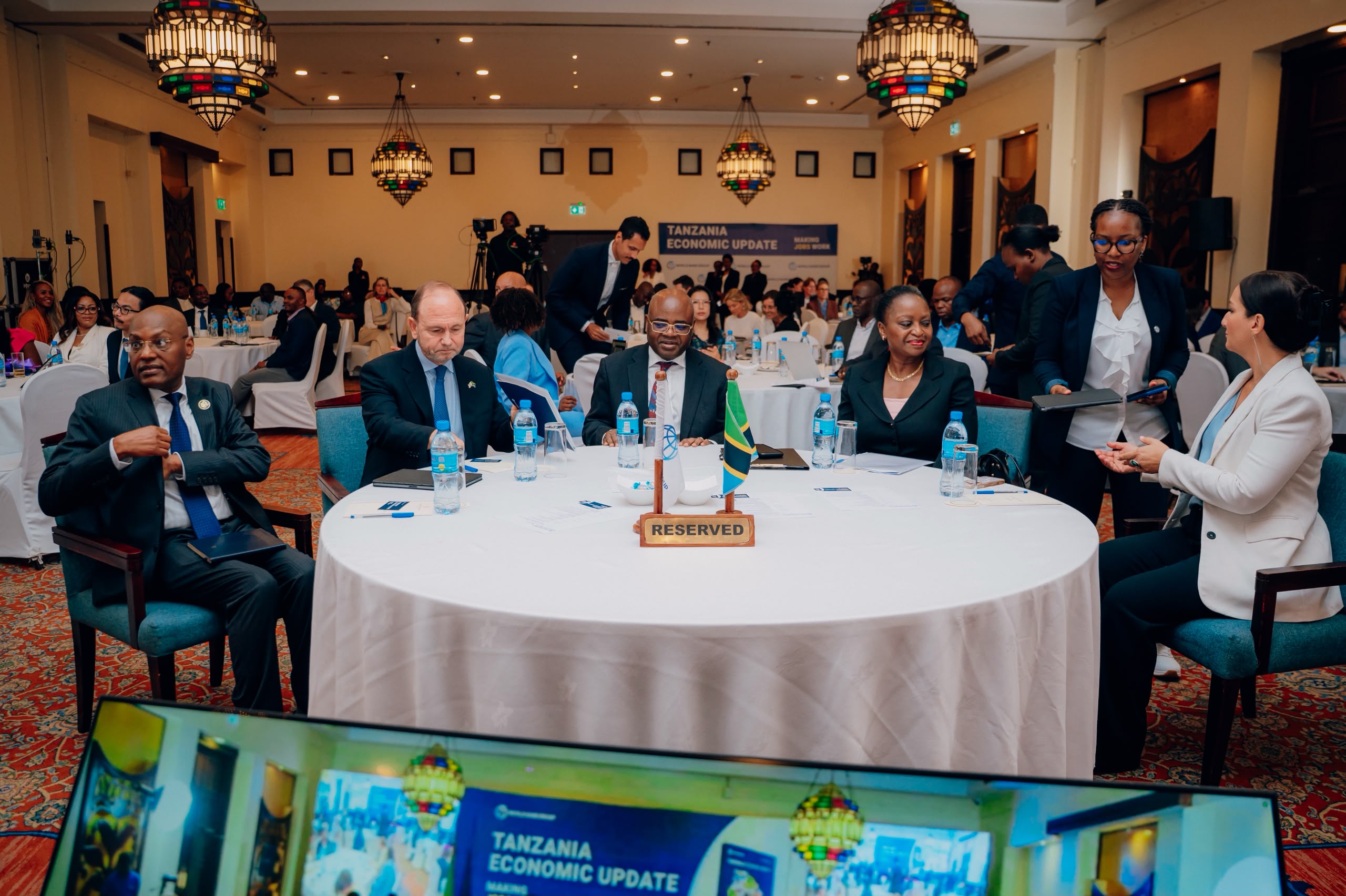
By Damas Makangale, Dar es Salaam
According to the World Bank Tanzania Economic Update, Tanzania’s public debt remains sustainable, inflation is under control, and the country’s economy continues to strengthen, supported by increased productive government spending on investment and a growing contribution from the private sector to economic activity.
Speaking at the launch of the World Bank’s Tanzania Economic Update report in Dar es Salaam, themed “Making Jobs Work,” Minister of State in the President’s Office – Planning and Investment, Prof. Kitila Mkumbo, said the country’s economic development is in line with the National Development Vision 2050, which aims to deliver positive outcomes for the country and its people.
Prof. Mkumbo said the World Bank report shows that Tanzania’s economic growth and inflation remain at manageable levels and can continue to be controlled to ensure that economic development is aligned with Vision 2050 for the broader interests of the nation and Tanzanians.
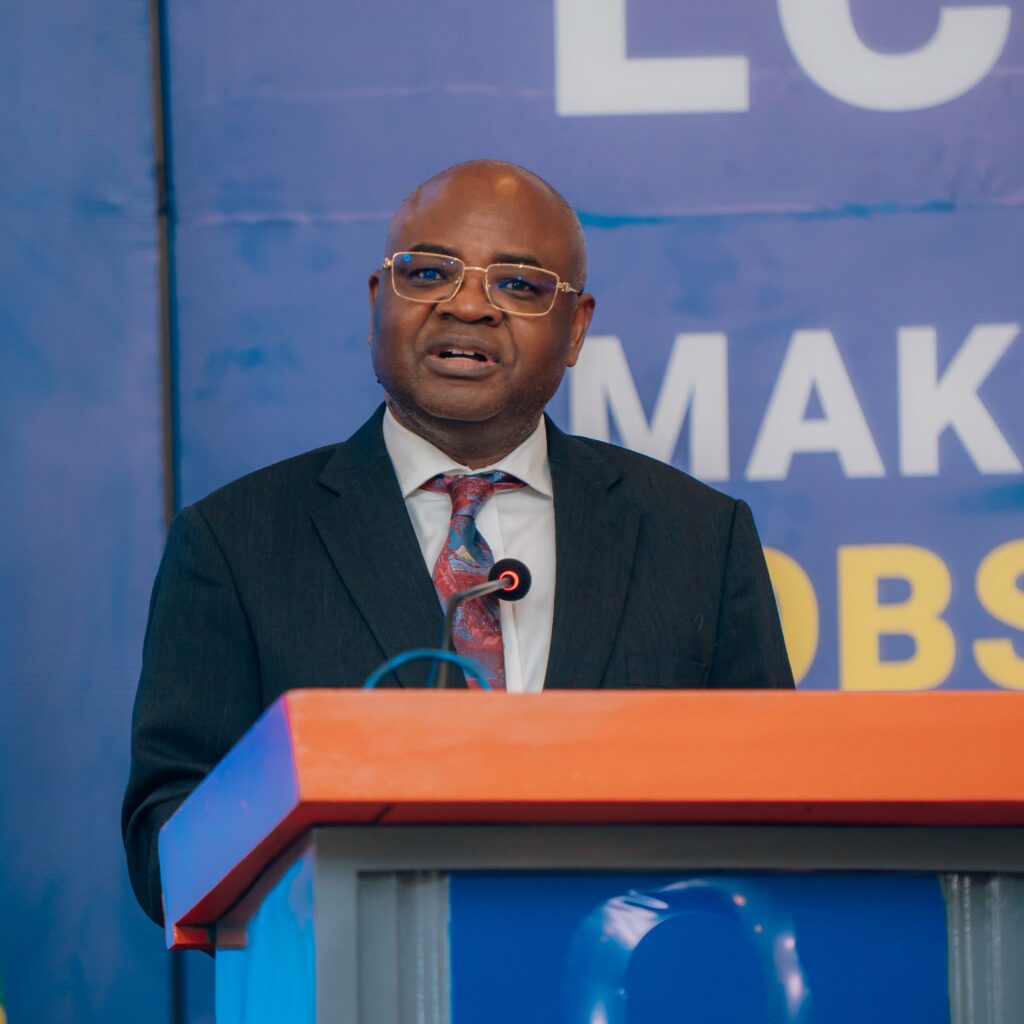
“Vision 2050 must begin to be implemented now in order to create employment opportunities, transform educational institutions, develop markets alongside infrastructure and technology, and create opportunities for more young people to enter the labour market both within and outside the country, particularly in the East African regional market,” Prof. Mkumbo said.
He said changes in the national economy must go hand in hand with technological growth and provide opportunities for Tanzanians, particularly through educational institutions, to offer training and prepare current and future generations for developments in science and technology so that they can compete in the labour market.
“The labour market of the future will not be about certificates alone, but also about the ability of Tanzanians to compete for productive jobs. It is therefore important for institutions, vocational colleges and universities to equip young people with greater skills to perform their jobs and deliver positive results in the workplace,” he added.
He further said Vision 2050 provides a framework for government officials, requiring them to be accountable, while the private sector should focus more on innovation, increasing productivity and expanding investment in order to create employment opportunities and grow the national economy.
Prof. Mkumbo stressed the importance of ensuring that Tanzanians have opportunities to strengthen their technological capabilities and knowledge so that Vision 2050 can become a catalyst for improving the daily lives of Tanzanians.
For his part, World Bank Division Director for Tanzania, Malawi, Zambia and Zimbabwe, Mr Firas Raad, said Tanzania’s economic performance is positive, with inflation remaining at a low level targeted by the Bank of Tanzania (BoT).
He said government debt remains at a manageable level, while the risk of debt distress is moderate, with revenue collection increasing and fiscal and budget policy management being conducted within a credible framework.
“In the more than three decades I have worked in international development, I have spent much of my time in countries striving to build the foundations of their economies—foundations that Tanzania has already successfully established and strengthened. I have also seen first-hand the costs that economies and societies pay when those foundations are absent,” he said.
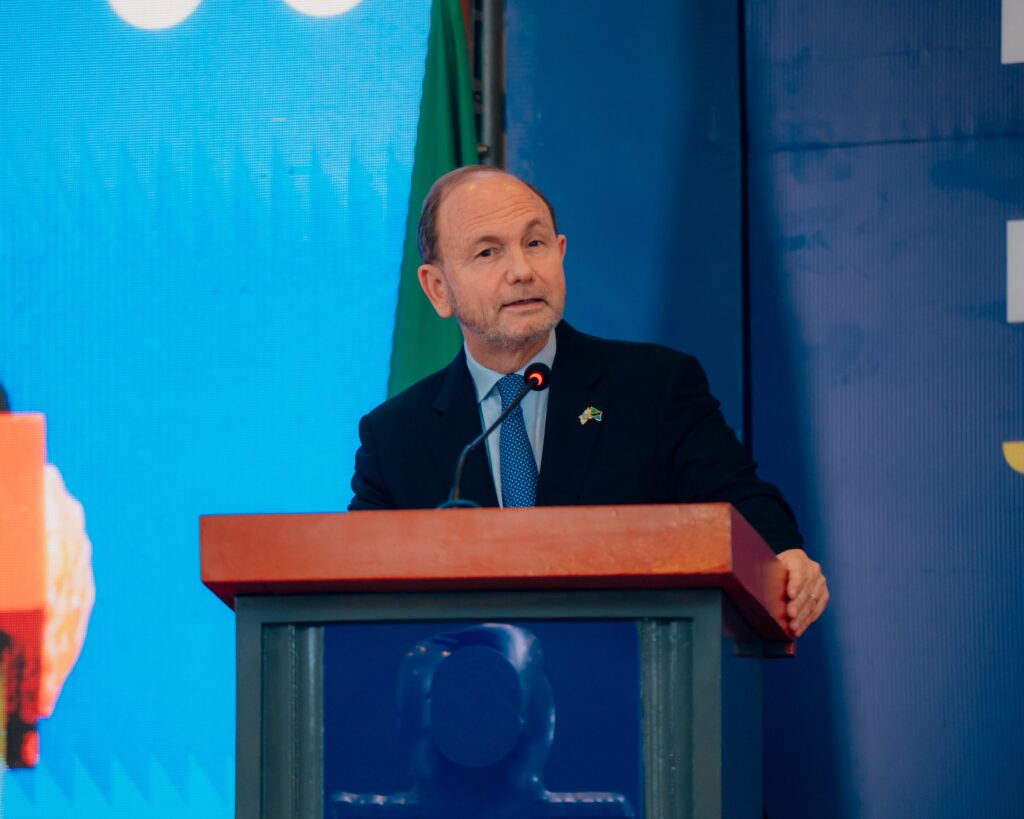
Mr Raad added that Tanzania’s economy grew by 5.9 per cent in 2025, while average growth stood at 5.7 per cent annually over the past two decades.
However, he said the growth has not yet reduced poverty at a rate commensurate with the pace of economic expansion. Growth has been concentrated in activities that generate relatively few jobs, while many Tanzanians continue to work in low-productivity activities.
He explained that the number of Tanzanians living below the international poverty line has not changed significantly, declining only slightly between 2018 and 2025.
He said this situation prompted the Minister for Finance, Ambassador Khamis Musa Omar, to recently state in his budget speech: “We still have a great deal of work to do in fighting poverty.” The World Bank, he said, broadly shares this assessment.
He added that more than two-thirds of working-age Tanzanians were employed in 2024, one of the highest employment rates globally. However, many of these jobs are in low-income and low-productivity activities, with more than half of the labour force still engaged in smallholder farming.
He said that out of the 26 million jobs in Tanzania, the report provides evidence of only about 550,000 jobs that can be considered quality jobs—meaning jobs that provide decent pay, written contracts, social protection and employment security.
Mr Raad stressed that over the past decade, Tanzania has invested heavily in capital and infrastructure. The investment is clearly visible and has made a significant contribution to shaping Tanzania’s economic growth trajectory, and will continue to play an important role in the coming decades.
An overview of the World Bank’s Tanzania Economic Update highlighted that revenue collection outperformed the fiscal year 2026 target, although expenditure pressures linked to the election cycle complicated the consolidation path.
While the current account deficit widened to 2.5 per cent of GDP in fiscal year 2026, driven by higher energy prices and freight costs, economic growth is projected to accelerate to 6.1 per cent in 2026.
The Economic Update further noted that Tanzania does not face a shortage of jobs but rather a challenge of job quality, with an employment-to-population ratio of 68.7 per cent, among the highest in the world. More than two in three working-age Tanzanians were in employment in 2024.