



Tanzania Launches National Agroforestry Stakeholders Platform to Drive Climate Change Actions

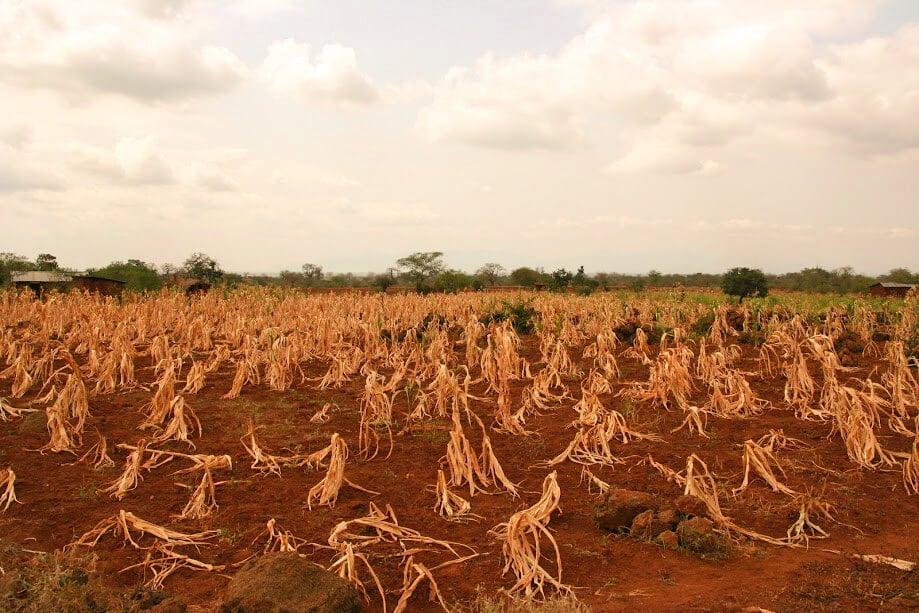
A TEAM of key agroforestry stakeholders has convened in Dodoma to deliberate and set strategies aimed at promoting the professional growth of the sector, which plays a key role in fostering the performance of the agriculture, livestock and environmental sectors.
Convening over the weekend, the meeting brought together stakeholders from various Non-Governmental Organisations (NGOs) and other institutions dealing with the agroforestry sector, individuals, as well as representatives from the Ministry of Agriculture.
Among other things, the forum witnessed the official establishment and launch of the Tanzania Agroforestry Stakeholder Platform (TASP), a vital platform for bringing together relevant stakeholders to implement various interventions needed for the development of agroforestry in Tanzania.
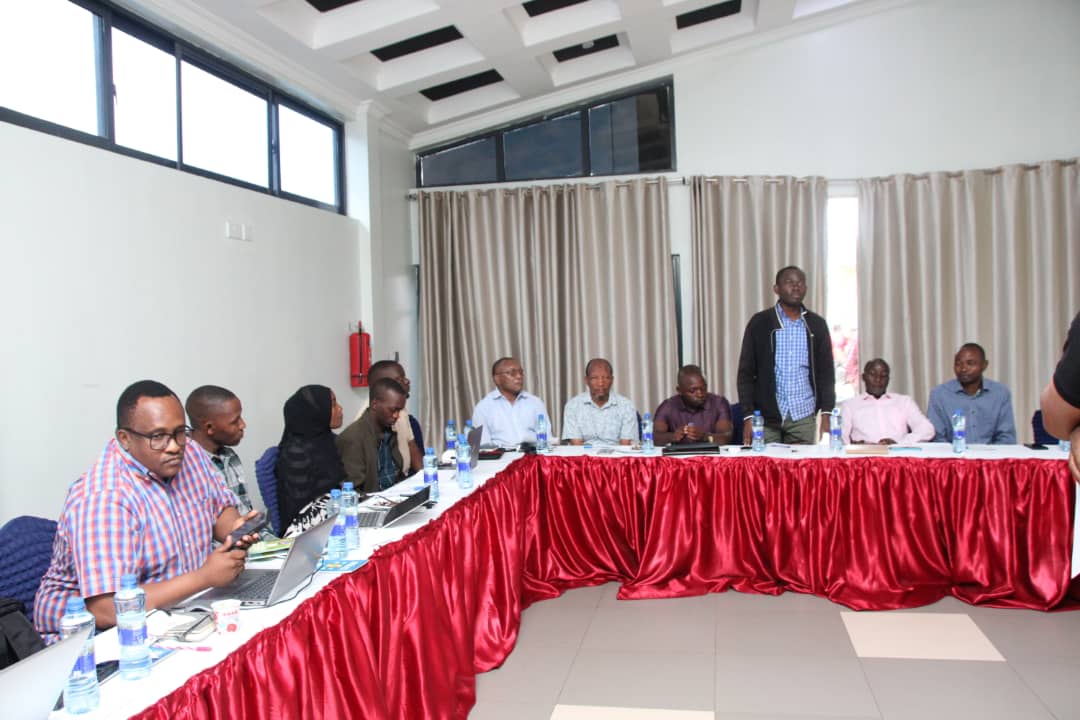
The objective of the meeting was to bring together agroforestry stakeholders to discuss and agree on the objectives, operational arrangements, membership, structure and strategic areas that the newly established Platform will focus on.
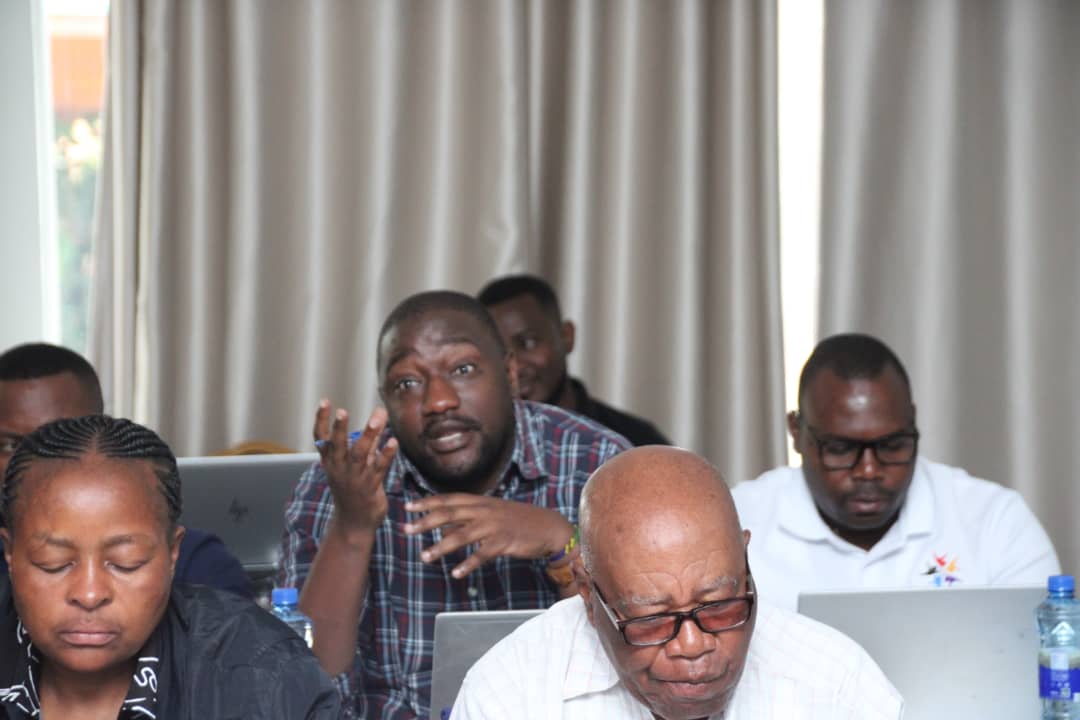
The roundtable meeting was a brainchild of Vi Agroforestry Tanzania, in collaboration with the Civic Social Protection Foundation (CSP)-Tanzania.
Speaking on the sidelines of the meeting, Nemence Iriya, the Executive Director and Chief Executive Officer (CEO) of the Civic Social Protection Foundation, said that despite the growing number of agroforestry development initiatives and efforts, as well as the existence of enabling policy and institutional frameworks, Tanzania still needs a broad, sustainable and inclusive mechanism that brings together diverse agroforestry stakeholders.
“This is a platform where the exchange of knowledge and experiences will take place, shared priorities will be identified, agroforestry coordination will be strengthened, and collective action will be undertaken to promote agroforestry development and investment in Tanzania,” he said.
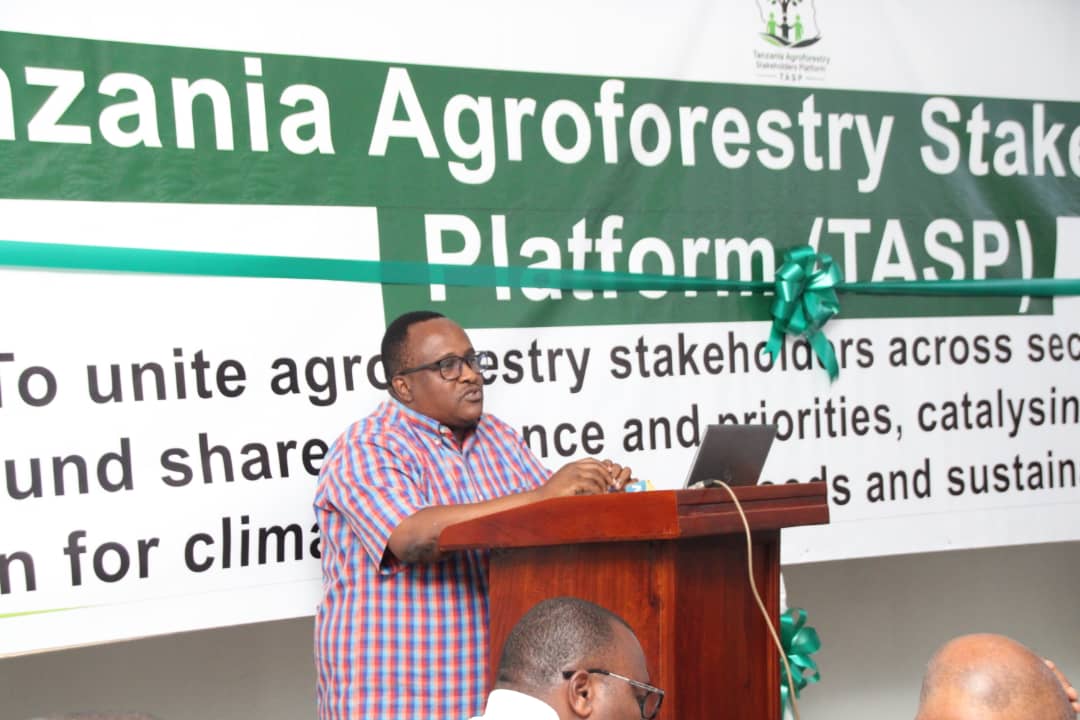
He added that the launch of the Platform had come at the right time, as it seeks to address at least four key challenges, among others.
“Tanzania is currently facing severe challenges from the impacts of climate change, and there is no effective coordination among stakeholders engaged in agroforestry. We need to address these challenges through the Platform we are forming today,” he said.
Moreover, he said most key research findings and innovations in agroforestry were not benefiting targeted farmers because they often remained on shelves or became stuck somewhere without being utilised.
“Through this national platform, the target is to ensure that the outcomes and innovations of the sector reach the country’s decision-makers and policymakers so that they can be translated into meaningful results,” he added.
In his remarks earlier, the event’s chief guest, Nickson Kimario, an Environmental Specialist from the Ministry of Agriculture’s Environmental Management Unit, said the newly established Platform should work to unite the government, private sector, civil society organisations, extension officers, farmers and financial institutions if it is to deliver the much-needed outcomes.
He insisted that agroforestry is a core sector for the development of several key sectors in Tanzania, and called on participants to ensure that the established Platform operates effectively to deliver the anticipated outcomes.
“Agroforestry allows farmers to practise intercropping, a necessary practice for retaining water and maintaining soil fertility. This means it supports farmers and livestock keepers to increase production and productivity,” he said.
As the world grapples with the severe effects of climate change, Kimario observed that agroforestry, if adopted and practised professionally and widely, could assist Tanzania in addressing the effects of climate change while increasing food production.
“In the implementation of the 2050 Development Vision, the government has outlined several strategies to address climate change. Therefore, agroforestry reflects the current government’s economic visions,” he added.