


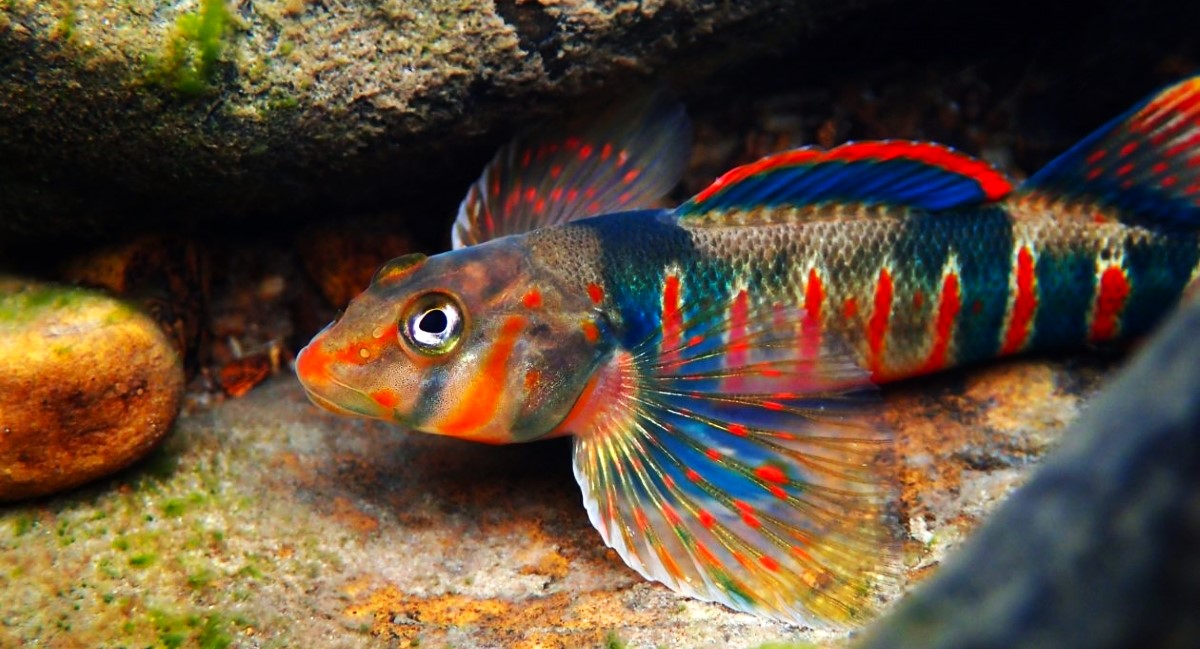
When it comes to fishes, it seems like the world is only interested with the species currently swimming in seas and oceans.
But what about freshwater fishes?
Action is urgently needed to unlock the potential of the Convention on the Conservation of Migratory Species of Wild Animals (CMS) to advance the conservation of migratory freshwater fishes.
This is according to the recent paper published in Nature Reviews Biodiversity.
The paper, titled “The untapped potential of CMS for migratory freshwater fishes” and co-authored by 14 freshwater experts including four experts associated with International Union for Conservation of Nature (IUCN) and its Species Survival Commission (SSC) Freshwater Fish Specialist Group.
The study finds that freshwater fish are underrepresented in the Convention on the Conservation of Migratory Species of Wild Animals (CMS).
Only 23 transboundary migratory freshwater fish species are currently listed in CMS, despite the fact that at least 87 are at risk of extinction according to The IUCN Red List of Threatened Species™.
Migratory freshwater fish are further underrepresented in terms of diversity, with sturgeons and paddlefishes making up all but four of the 23 species in CMS.
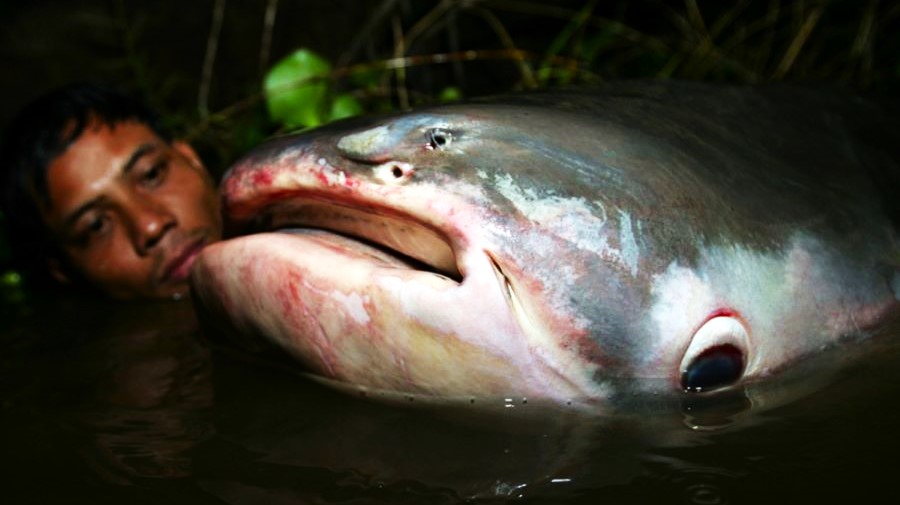
“As we look towards the next CMS Conference of Parties in March, this is an opportune moment to address the untapped potential to protect freshwater fish through the Convention,” said Catherine Sayer, IUCN’s Freshwater Biodiversity Lead and co-author on the paper.
“Freshwater species are essential to ecological processes such as nutrient cycles and providing food and livelihoods to people, yet they are highly susceptible to habitat loss, fragmentation and overexploitation. Coordinated international action is urgently needed to protect species along their migratory routes.”
Lack of information about freshwater fish is a major reason for this underrepresentation, according to the paper.
Firstly, there is no comprehensive assessment of how many fish species migrate in freshwaters and across national boundaries.
Secondly, one-third of all known freshwater fish species are Not Evaluated or Data Deficient on The IUCN Red List of Threatened Species™, limiting our understanding of whether they should be listed in CMS.
Additionally, many countries with river basins that cross international borders are not signatories to CMS, particularly in Asia and North America.
This reduces the likelihood that species in these regions will be proposed and included in CMS.
For example, the Mekong basin is a biodiversity hotspot for migratory freshwater fishes, but no Mekong countries are Parties to CMS.
“Creating a full list of migratory freshwater fishes and ensuring they are assessed on the IUCN Red List are key next steps,” continued Catherine Sayer.
“The creation of a specialist group to work together with Range States to propose freshwater species to CMS would also help attract attention to those in most urgent need of protections.”
The paper emphasises the value of strengthening the links between research, communications, policy development and CMS implementation.
Alongside efforts to include more freshwater fish in the Convention, research to address knowledge gaps about their life history is critical to understand which conservation efforts would be most effective.
Furthermore, the paper highlights the need to raise awareness of migratory freshwater species, as public support is key to encourage policy and action on the ground.
CMS is a United Nations environmental treaty signed by 132 countries and the European Union, providing a global framework for protecting migratory species.
Two CMS appendices list over 1,100 species that require protections.
All CMS Parties are obliged to prevent the catch of species in Appendix I (with limited exceptions), while Range States are encouraged to work together to conserve species in Appendix II through various CMS instruments, to prevent unsustainable exploitation, protect and restore habitats, remove barriers to migration, and mitigate other threats throughout species’ ranges.