



KAMPALA: East African Community (EAC) central bank governors have renewed their commitment to fast-track the establishment of a single regional currency by 2031, as the bloc continues to record stronger economic growth and improving macroeconomic stability despite persistent global economic headwinds.
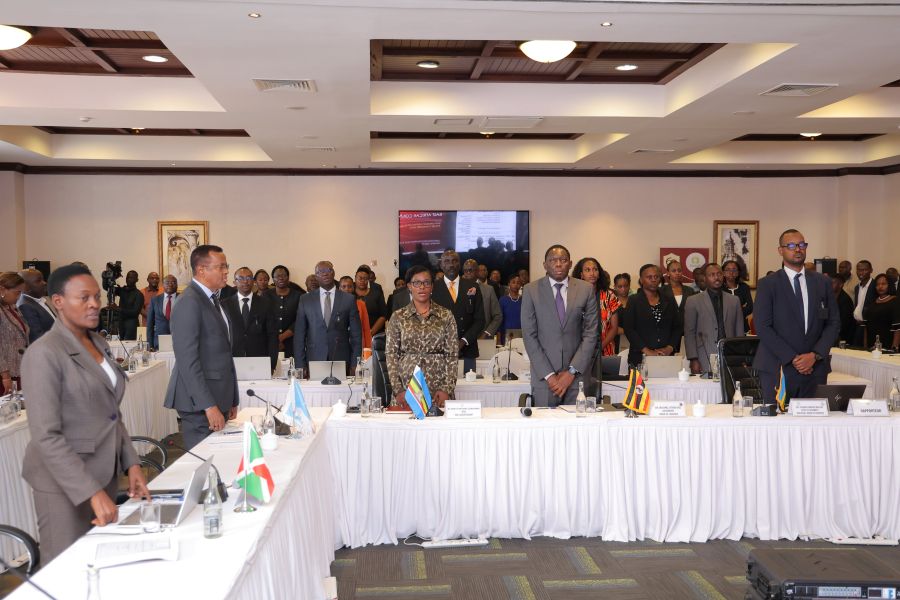
The commitment was reaffirmed during the 29th Ordinary Meeting of the East African Community Monetary Affairs Committee (MAC), held in Kampala, Uganda, where governors and senior officials from the region’s central banks reviewed progress towards the East African Monetary Union (EAMU) and deeper financial integration.
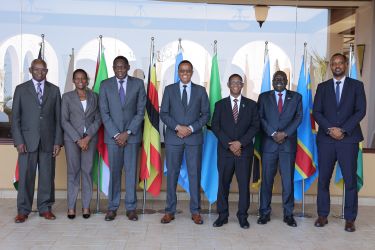
Chaired by the Governor of the Bank of Uganda, Dr Michael Atingi-Ego, the meeting brought together central bank governors from EAC Partner States alongside representatives from the EAC Secretariat.
The Committee noted that the East African economy remains resilient despite rising global uncertainties, including high energy prices, increased shipping costs and ongoing geopolitical tensions. Regional economic growth is projected at 5.2 per cent in 2026, well above the Sub-Saharan African average of 4.3 per cent.
Governors also welcomed easing inflation across the region, with average headline inflation falling to 6.7 per cent in the 2025/26 financial year, compared to 9.6 per cent in the previous fiscal year, attributing the improvement to sound macroeconomic policies and stronger economic fundamentals.
Regional currencies are also expected to remain broadly stable, supported by diversified foreign exchange inflows and continued reforms aimed at strengthening domestic foreign exchange markets.
A major focus of the meeting was the implementation of the revised roadmap towards the East African Monetary Union and the planned introduction of a single East African currency by 2031.
The Committee acknowledged encouraging progress by Partner States in modernising monetary policy frameworks, strengthening macroeconomic surveillance, enhancing regional policy coordination, expanding the use of the East African Payment System and building institutional capacity within central banks.
However, members observed that progress towards achieving the agreed macroeconomic convergence targets remains uneven across Partner States, calling for accelerated reforms to strengthen fiscal discipline, improve peer review mechanisms and reinforce national implementation plans.
Opening the meeting, Dr Atingi-Ego reaffirmed the Committee’s determination to deliver the Monetary Union agenda.
“The East African Monetary Union remains a strategic objective that demands sustained commitment, policy harmonisation and strong regional institutions. While our commitment is unwavering, we must accelerate implementation, strengthen peer review mechanisms and reinforce national action plans to ensure we remain on course towards a single East African currency by 2031,” he said.
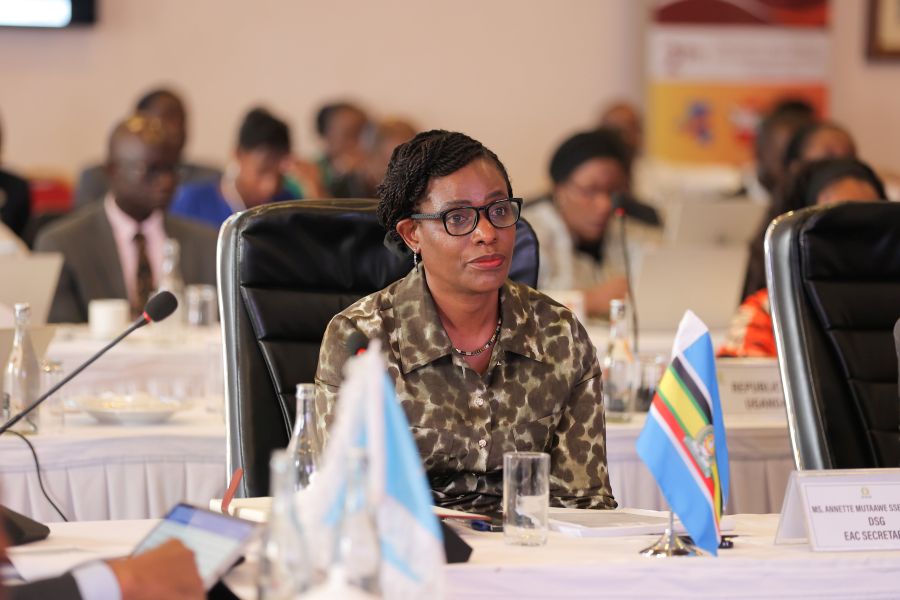
The EAC Deputy Secretary General for Customs, Trade and Monetary Affairs, Ms Annette Ssemuwemba, said the Monetary Affairs Committee continues to play a central role in advancing one of the Community’s most ambitious integration programmes.
She noted that the 7th EAC Development Strategy (2026/27–2030/31) places renewed emphasis on completing the legal, institutional and technical requirements needed to establish the Monetary Union while supporting Partner States in meeting macroeconomic convergence targets.
Ms Ssemuwemba also urged Partner States to maintain strong collaboration in driving the region’s shared monetary integration agenda.
“Partnership, consensus and shared responsibility have shaped the work of the Committee. Together, we must continue strengthening our institutions, deepening regional integration and creating more opportunities for the people of East Africa,” she said.
To speed up implementation of the Monetary Union roadmap, the Committee agreed to strengthen peer review mechanisms and accelerate execution of the EAC’s Seventh Development Strategy.
The meeting also reviewed progress on implementing the EAC Cross-Border Payment System Masterplan, which seeks to modernise and integrate payment systems across the region.
Members welcomed the commencement of implementation activities, including the preparation of annual work plans, prioritisation of key initiatives and mobilisation of financial and technical resources.
Once fully implemented, the Masterplan is expected to facilitate seamless cross-border transactions, lower payment costs, improve interoperability among financial institutions, expand financial inclusion and stimulate intra-EAC trade.
The Committee further noted that the region’s financial sector remains stable, underpinned by strong capital and liquidity buffers. However, members stressed the need for closer regional cooperation to address growing cybersecurity threats that could undermine financial stability.
The EAC Monetary Affairs Committee comprises governors of central banks from all EAC Partner States and is responsible for coordinating monetary and financial sector policies to advance regional financial integration and oversee implementation of the East African Monetary Union Protocol. It plays a pivotal role in preparing the region for the eventual introduction of a single East African currency.