



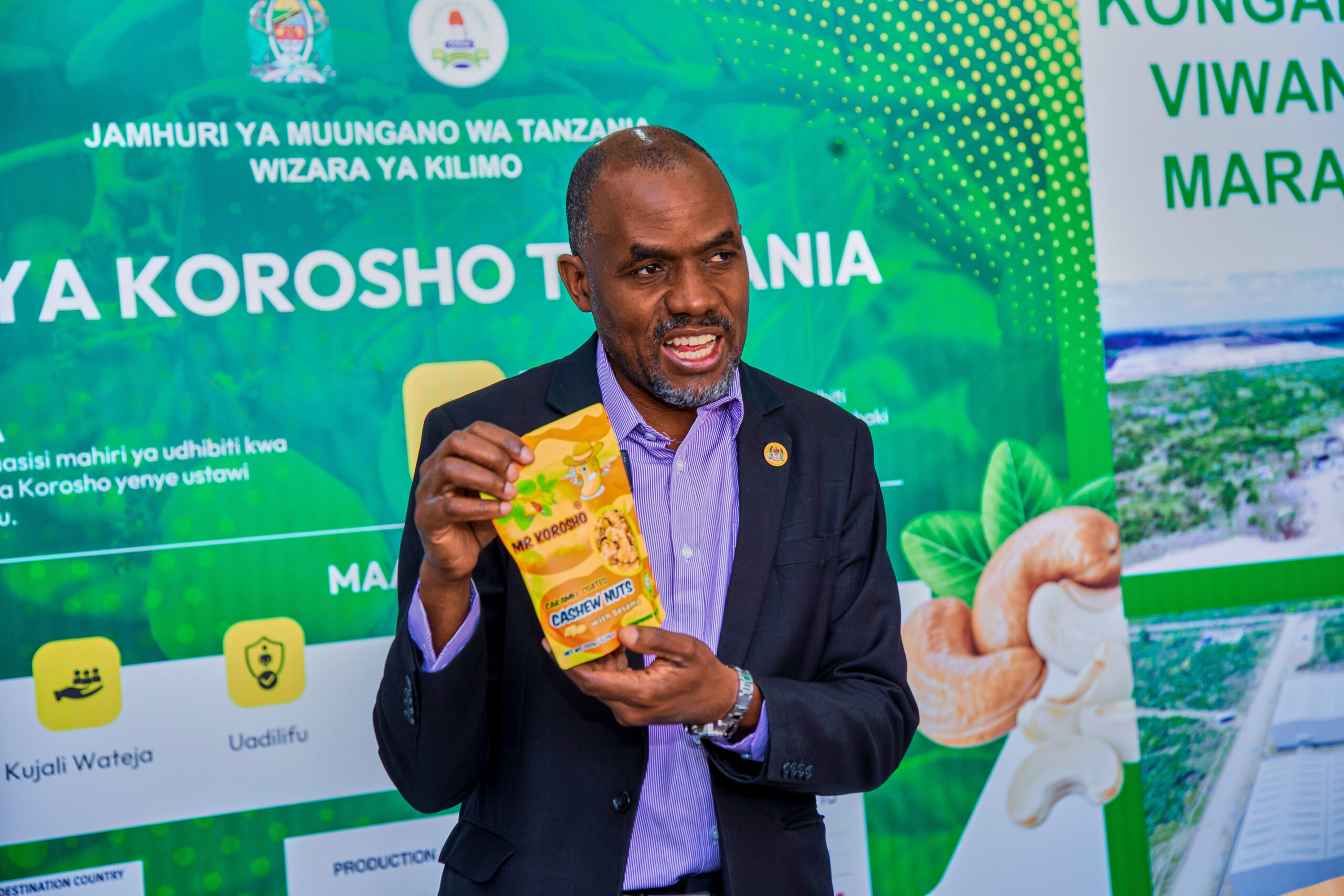
THE Cashewnut Board of Tanzania (CBT) plans to distribute a total of 15 million cashew tree seedlings in an ambitious intervention aimed at bolstering the cultivation of the tropical evergreen trees in Tanzania.
A large number of the seedlings will be distributed free of charge by the state-owned board over a period of five consecutive years, in a countrywide exercise expected to stimulate and further expand production and productivity of the country’s key economic cash crop.
During the last season, CBT distributed at least 4 million seedlings to registered farmers in the sector, against a target of 2 million seedlings, thereby exceeding the set distribution target by 100 percent.
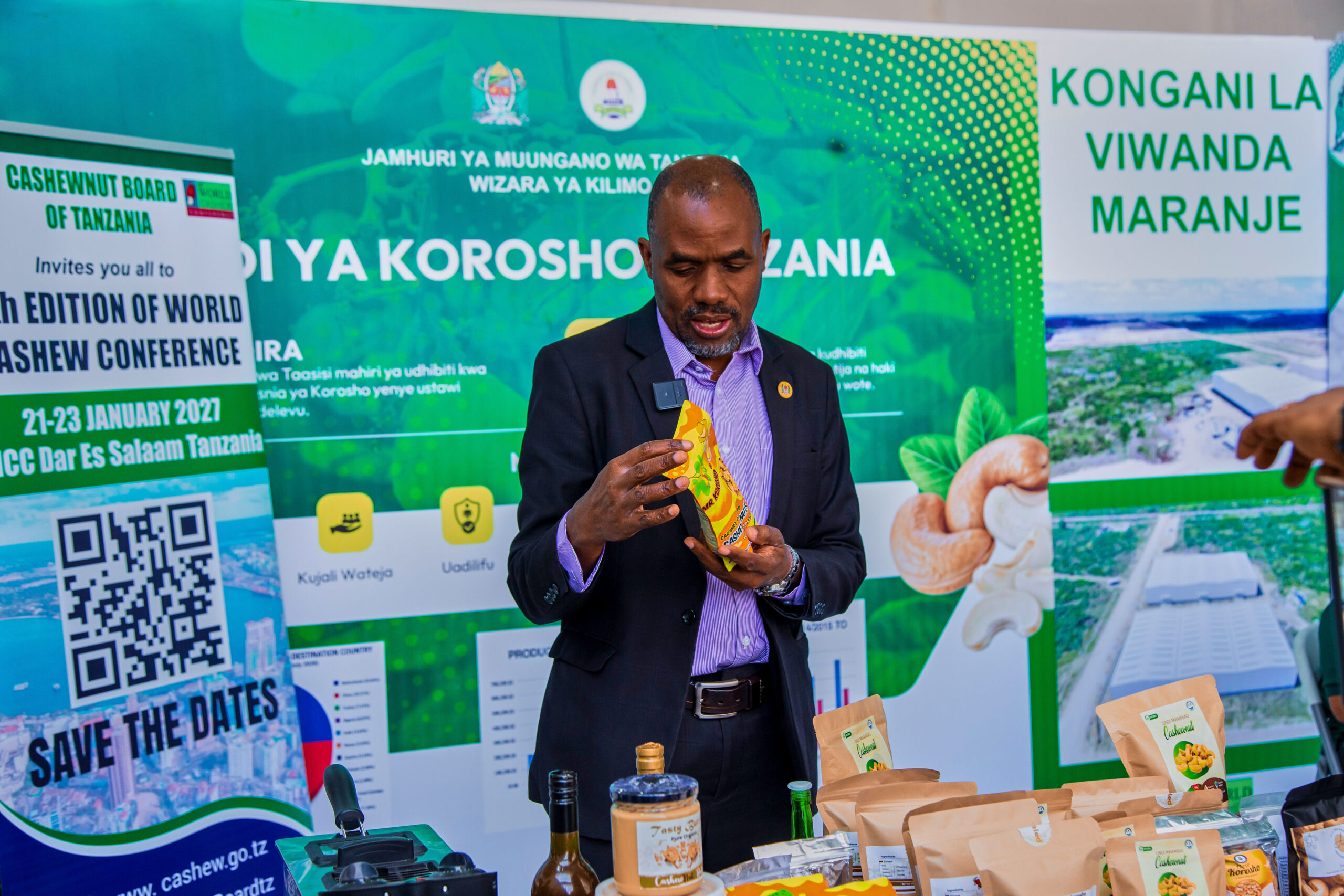
The implementation of the robust programme is in response to the skyrocketing demand for seedlings among farmers engaged in cashew production in Tanzania, driven by the expansion of both local and international cashew markets.
CBT Director General, Mr Francis Alfred, yesterday told the publication in an exclusive interview that productivity in cashew production was, to a greater extent, influenced by the number of trees in plantations.
Based on this fact, he said the board had introduced the free cashew seedling provision programme to ensure that farmers access sufficient seedlings, enabling them to double their yields and productivity.
“In Tanzania, cashew is largely cultivated by smallholder farmers, who maintain an average of 2.5 acres. Thus, we are working to enable them to expand their cultivation areas in order to place them in a better position to supply the country’s growing processing sector,” he said.
He further explained that Tanzania currently has a total of 549,936 registered cashew growers managing 137 million cashew trees.
“These growers have officially been registered in CBT’s tailor-made, cloud-connected farmers’ system, dubbed the Agricultural Input Subsidy System (AISS),” he said.
He described the development of the digital platform as a vital milestone achieved by CBT in improving transparency, traceability and accountability in the distribution of subsidised agricultural inputs to cashew producers.
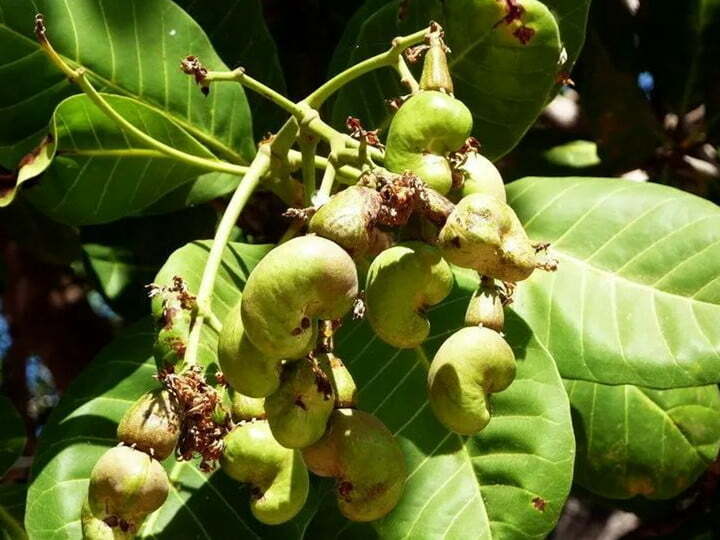
“We are thankful to the government for its patriotic decision to subsidise the necessary inputs in the sector, an initiative that plays a meaningful role in empowering farmers,” he said.
The provision of seedlings, according to him, goes in tandem with a special on-farm training clinic programme designed to impart farmers with recommended agronomic practices for cultivating the tree crop.
He noted that the board had recruited a total of 512 trained youth from the agriculture-based Building a Better Tomorrow (BBT) national programme, saying the youth had been deployed to all cashew-producing areas of the country to assist farmers.
“The youth have been effectively trained in cashewnut production, and they are currently working in sync with agricultural extension officers to mentor cashew growers in all zones with active cultivation,” he added.
As part of efforts to advance the cultivation of the valuable crop, CBT Acting Director for Marketing and Quality Control, Mr Hamidu Mponda, expeessed that the board had worked with the parent ministry to identify more regions with potential for cashew production.

“Previously, cashew production was concentrated in Mtwara, Lindi, Ruvuma, Coast Region and Tanga. However, cashew is currently produced in 17 regions and 91 councils across the country,” he said.
He identified some of the new cashew-growing areas as Ushetu, Biharamulo, Uvinza, Uyui, Tanganyika, Majimoto, Singida, Dodoma, Morogoro, Iringa, Njombe and Kyela, saying the board was continuing to expand cultivation to more areas.
Tanzania is one of the largest cashew producers in Africa, with exports contributing between 10 and 15 percent of the country’s foreign exchange earnings. The country is the fifth-largest producer of cashewnuts in the world and ranks second in Africa.
However, further statistics show that Tanzania produces at least 20 percent of Africa’s cashewnuts according to figures by the United Nations Food and Agriculture Organisation (FAO).
Tanzania is well known for its cashewnut production, with the nuts nicknamed “green gold” due to their exceptionally good taste and high return on investment.