



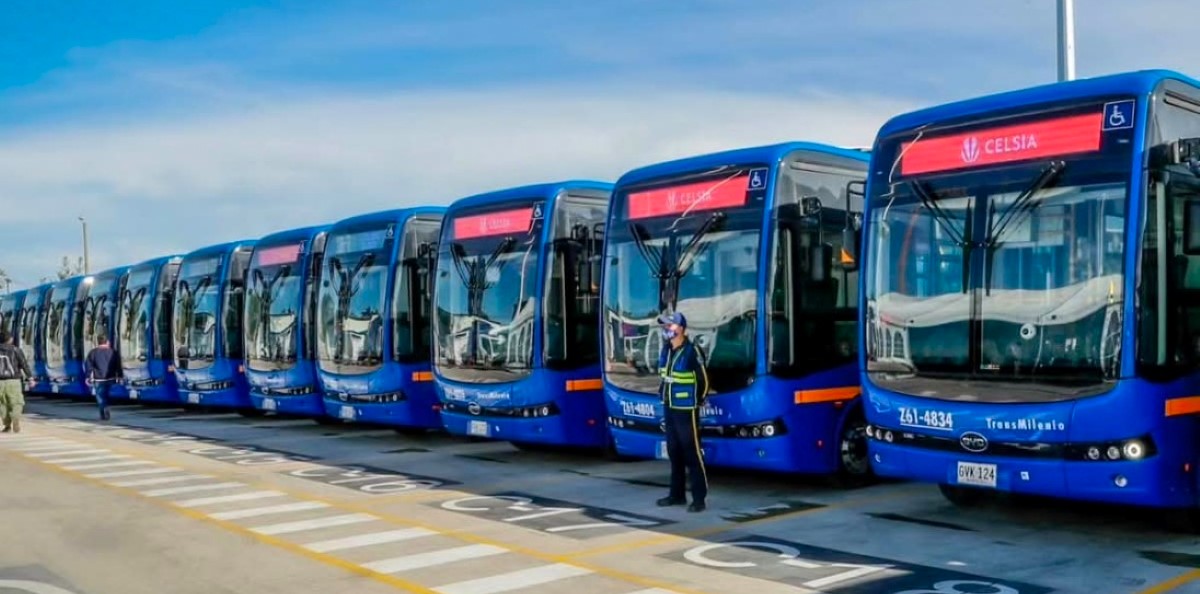
Zanzibar is igniting an ambitious rapid electric bus transport system in Isles, a project which starts in February 2026.
Official reports from the Zanzibar Government reveals that the Isles Electric buses’ project will be executed in several stages, starting with the inaugural phase in the Mjini Magharibi (West Coast) Region of the main Unguja archipelago, before expanding further across the country.
The Islands’ Electric Bus Projected is being implemented through the Zanzibar Social Security Fund (ZSSF) and aims at cutting down traffic jams and congestions on the isles’s rather narrow streets and few roads, amid increasing number of motor vehicles.
The Isles’ Government, through the Zanzibar Social Security Fund has entered into contract with GRT Limited, the firm which will be undertaking the works in three different phases.
The Executive Director of Zanzibar Social Security Fund (ZSSF) Nassor Shaaban Ameir said the project will modernize the Isles, which is targeting to reap heavily from Blue Economy and the growing tourism sector.
The initiative will transform the public transport sector in Zanzibar, which has been lagging behind for years.
In the first chapter of implementation, the Zanzibar Electric Bus Project will cover the highway leading to the Amani Karume International airport, the Malindi to Buyu road and Chukwani to Mnazi Mmoja routes.
The Jangwani center will serve as the hub for connecting the aforementioned routes.
On the other hand, Electric bus stations and drop-points will also be established at the Zanzibar Airport and the Malindi Port center, as well as other areas that will be found to be convenient for travelers.
The maiden delivery of electric buses that are to be cruising in Zanzibar will take place at Unguja in the third week of February 2026.
Zanzibar has a total road network of approximately 86 kilometers at the moment.
The Isles government recently revealed broader initiatives that will entail rebuilding 100.9 kilometres of roads in Unguja Island, while setting out to construct other elevated roads to minimize congestion.
The first flyover corridor was inaugurated by President Hussein Ali Mwinyi in the second week of January 2026.