



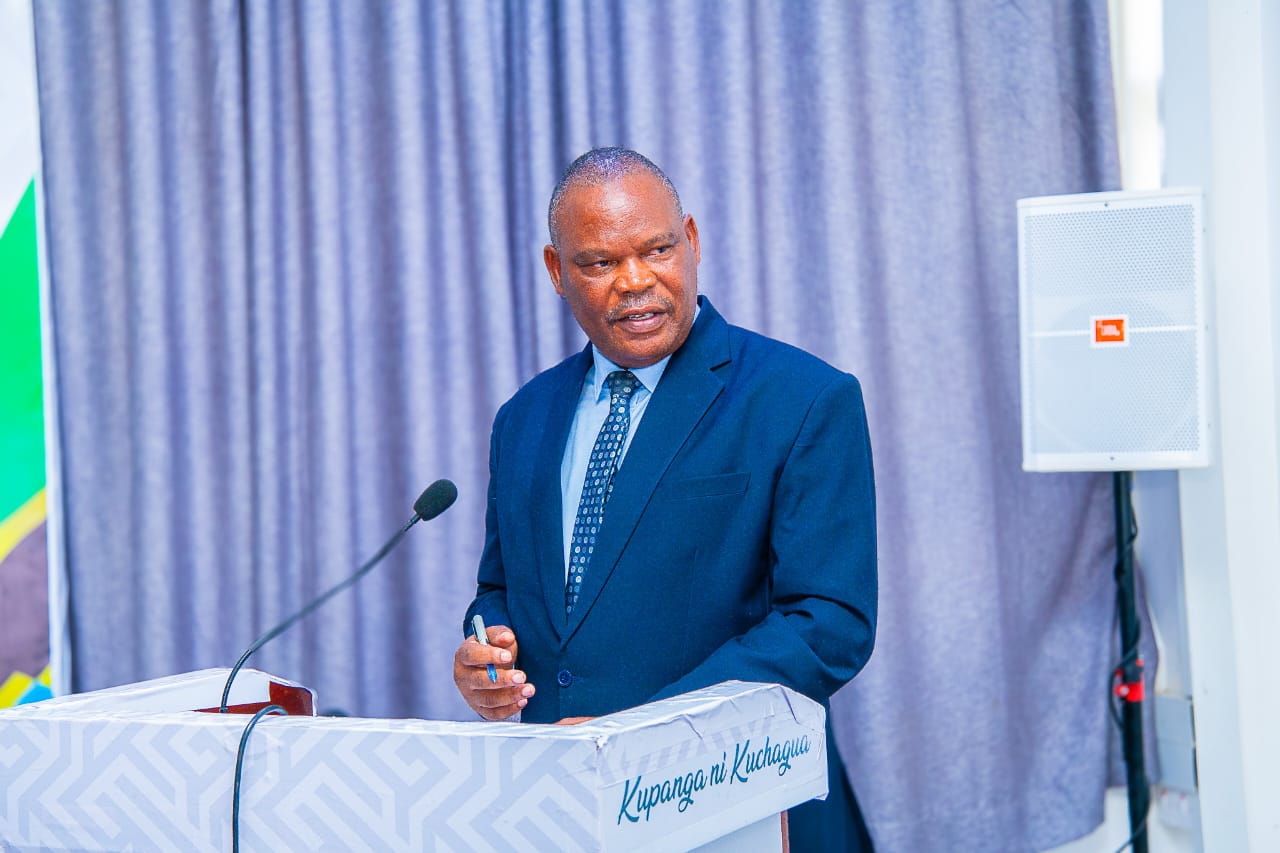
No Research, No Right to Speak!
Recognising the importance of conducting in-depth research, not only for academic purposes but also to help the government plan various socio-economic interventions, the Dodoma-based Institute of Rural Development Planning (IRDP) is setting aside substantial funds to support research activities.
According to IRDP Rector, Prof Hozen Mayaya, the institute, which operates under the Ministry of Finance and Planning, had invested at least 780m/- to fund 32 key research projects between 2023 and 2026.
The vital research projects were implemented alongside at least 13 consultancy assignments, strengthening the institute’s research capacity and contribution to rural development.
According to the don, these developments, alongside other academic initiatives, enabled the institute’s lecturers to publish 32 papers in international journals, raising IRDP’s profile and enhancing its visibility beyond Tanzania’s borders.
Briefing the publication on the developments, he observed that between 2022/2023 and 2025/2026, the institute’s journal published a total of 70 research papers.
“So far, we have managed to improve and register our journal with several international academic platforms, including African Journals Online (AJOL), the Directory of Open Access Journals (DOAJ) and Elton B. Stephens Company (EBSCO),” he said.
According to him, these achievements contributed to a significant increase in the number of papers published in the institute’s journal, with contributions from both local and international researchers rising from nine annually in 2022/2023 to 29 in 2025/2026.
Revealing other achievements at the state-owned institution, the don said the establishment of the institute’s Internationalisation Desk had played a key role in expanding IRDP’s international partnerships and academic cooperation.
“Through the desk, we successfully joined the Inter-University Council for East Africa (IUCEA) in 2025. It also increased the number of active international Memoranda of Understanding (MoUs) from one in 2023/2024 to four currently under implementation,” he noted.
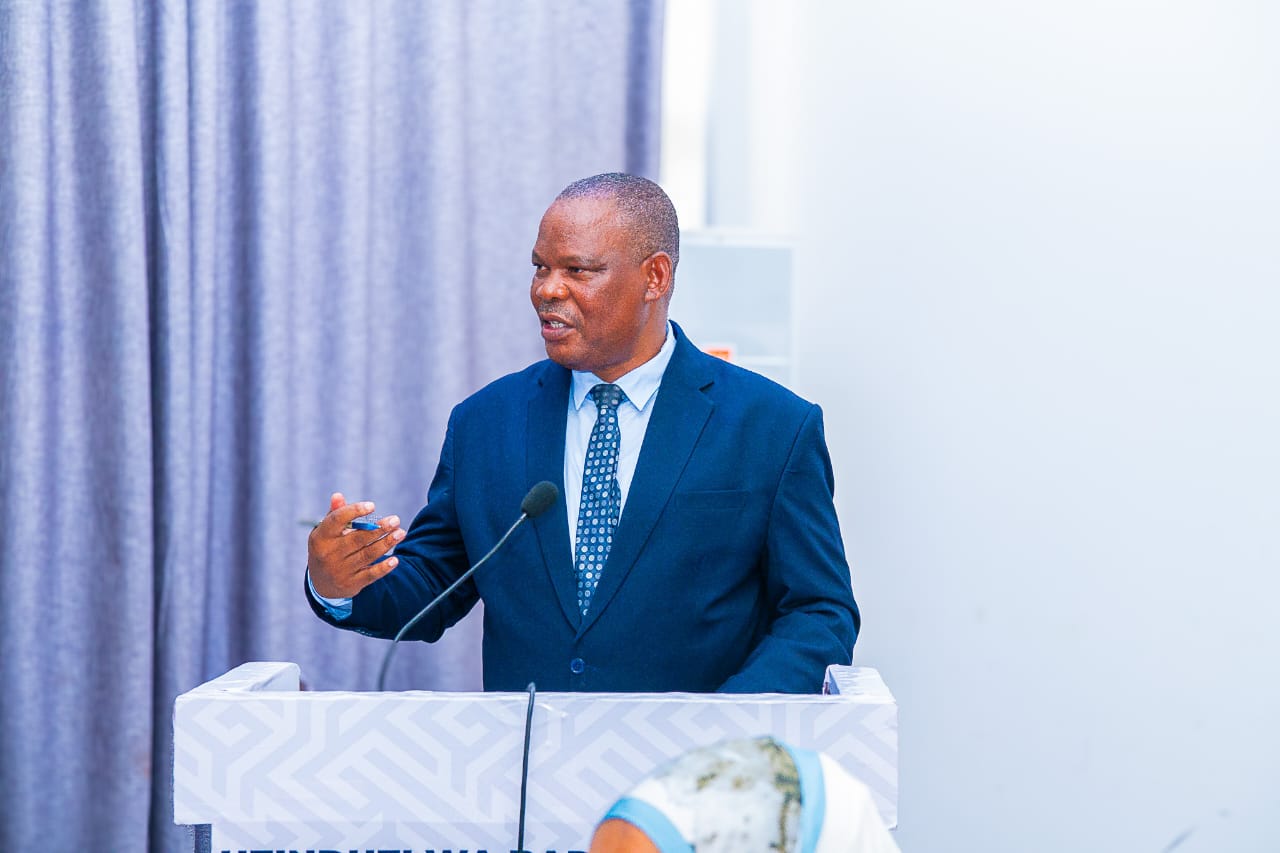
He said the ongoing international partnerships include an agreement between IRDP and the United Nations Capital Development Fund (UNCDF) under the Local Climate Adaptive Living Facility (LoCAL) project.
“The first phase of the project, valued at 384,308,733/-, was successfully completed in eight local government authorities,” he said.
He added that other partnerships involve IRDP and CultivAid, Water4Mercy, as well as a collaboration bringing together the institute, Mananga Institute and the University of Eswatini.
Dwelling on academic performance, Prof Mayaya said that between 2023/2024 and 2025/2026, the Dodoma-based institute continued to strengthen its core functions of providing long- and short-term training, conducting research, offering consultancy services and enhancing the application of Information and Communication Technology (ICT).
“Student enrolment increased from 14,604 in 2023/2024 to 15,826 in 2025/2026, representing an overall growth of 8.37 per cent,” he said.
At the Dodoma Main Campus, enrolment rose from 10,553 to 11,620 students, while the Lake Zone Training Centre in Mwanza recorded an increase from 4,051 to 4,206 students over the same period, according to him.
He said the number of graduates also increased from 8,134 in 2023/2024 to 8,329 in 2024/2025, representing growth of 1.3 per cent.
“The number of long-term academic programmes increased from 47 in 2023/2024 to 61 in 2025/2026,” he said.
“The institute also reviewed 35 curricula and developed 10 new ones. All 35 reviewed curricula were approved by the National Council for Technical and Vocational Education and Training (NACTVET),” he added.
Improvements were also recorded in library and ICT services, with the number of books in the institute’s library increasing from 13,997 to 18,105, he informed.
In ICT infrastructure, the number of computers rose from 416 to 726, projectors increased from 58 to 63, and printers from 64 to 77. Internet speed also improved from 400 Mbps to 514 Mbps.
Throughout the tenure of the 13th Governing Council, the institute recorded substantial growth in research, consultancy services, short-term training programmes and academic publications.
On average, approximately 300 participants benefited annually from short-term training programmes offered by IRDP.
Stakeholder confidence in the institute also increased, with an average of 26 institutions participating in the training programmes each year. These included ministries, government departments and private sector organisations.
Furthermore, the Council’s Academic Committee provided effective oversight of the institute’s entrepreneurship and innovation activities.
The institute’s Centre for Entrepreneurship and Innovation (MEI), established in 2019, increased the number of students under its mentorship from 122 in 2023/2024 to 296 in 2025/2026, representing growth of 143 per cent.
Seven student-led businesses progressed to the stage of generating income, demonstrating the centre’s contribution to nurturing practical entrepreneurship and innovation among students.
During the period, the centre received nine awards, conducted 10 training programmes that reached 1,510 participants and secured grants amounting to 68m/- to improve innovation infrastructure.
In addition, the institute secured 2.6bn/- for the construction of a dedicated Entrepreneurship and Innovation Building, further strengthening its capacity to support students in developing innovative ideas into viable businesses.