



There are less than 100 sea cows left in the world. All of the remaining ones happen to be in Tanzanian waters

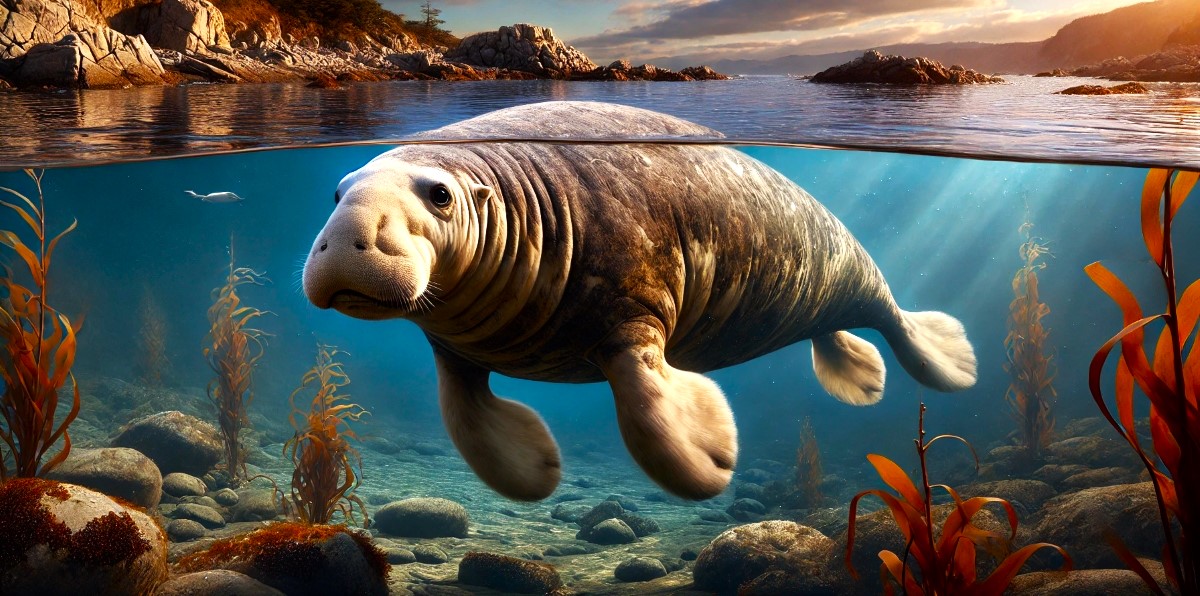
They may have gone extinct in other parts of the world, but Tanzania still has some 100 sea cows left along the country’s Indian Ocean shores.
But local marine experts, have raised alarm, even these few Sirenians in the East African Indian Ocean waters are also about to disappear for good.
Climate Change, destruction of Marine ecosystems, increasing human activities and dwindling underwater vegetation are being described to be the main reasons behind the creatures being driven extinct.
The Dean of the School of Aquatic Sciences and Fisheries Technology at the University of Dar es salaam (UDSM), Dr Blandina Lugendo, on presenting a scientific paper on ‘Marine and Coastal Ecosystem Conservation and Resilience, told journalists that seas and the animals living in it, are also suffering the negative effects of climate change.
The Senior UDSM Lecturer revealed that in her paper presentation on Blue Economy to the members of the Journalists Environmental Association of Tanzania (JET) in a special training organized by the International Union for Conservation of Nature (IUCN) for writers and reporters in Tanga.
On his part, the Senior Research Dean at the Tanzania Fisheries Research Institute (TAFIRI) Rushingisha George, revealed that ocean acidification is currently affecting the seas, including coastal estuaries and waterways and as the result, marine creatures are being threatened.
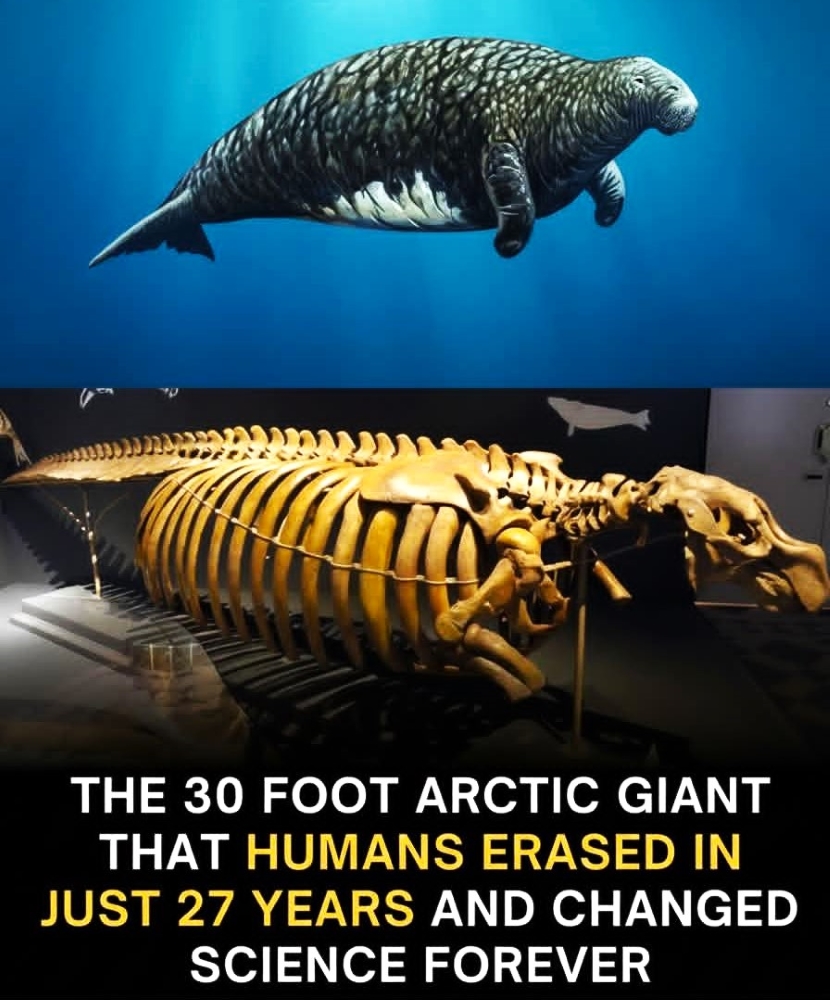
Sea Cows, also known as the sirenians, or Manatees and as ‘Nguva’ in Kiswahili, are fully aquatic, herbivorous mammals that inhabit swamps, rivers, estuaries, marine wetlands, and coastal marine waters, that are now bidding the earth farewell.
In Tanzania, the Sea Cows were mostly found along the Indian Ocean shorelines, but according to experts their numbers have dropped down to just 100 animals, rendering them to be highly threatened and on the brink of extinction.
Elsewhere in the world, Sea Cows, known locally here as ‘Nguva,’ have been officially classified as extinct.
However, Tanzania still has 100 of them swimming along the country’s Indian Ocean coastline.
“The last time a Nguva (Sea Cow) was seen around here was in 1994,” recalls the Mkinga District Fisheries Officer, Ezra Katete, explaining that the giant aquatic mammal had been captured by a fisherman of Kichalikani Village, in Moa Ward of Tanga Region.
“But even then, we suspected that the Sea Cow could have been caught on the Kenyan side of the Indian Ocean,” pointed out Ezra Katete, adding that the animals have been rarely seen and as far as they are concerned, they must be hiding from people.