




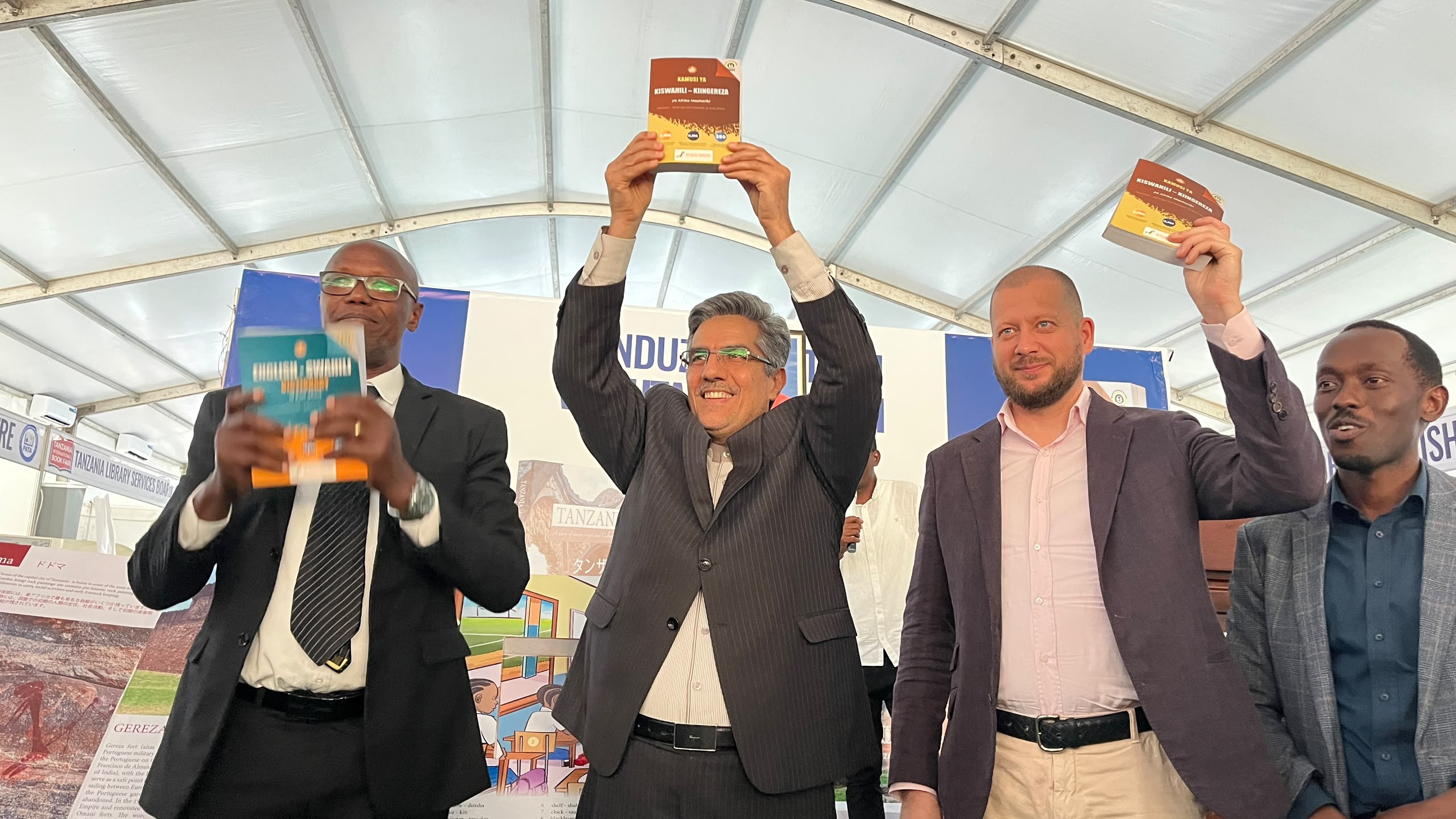
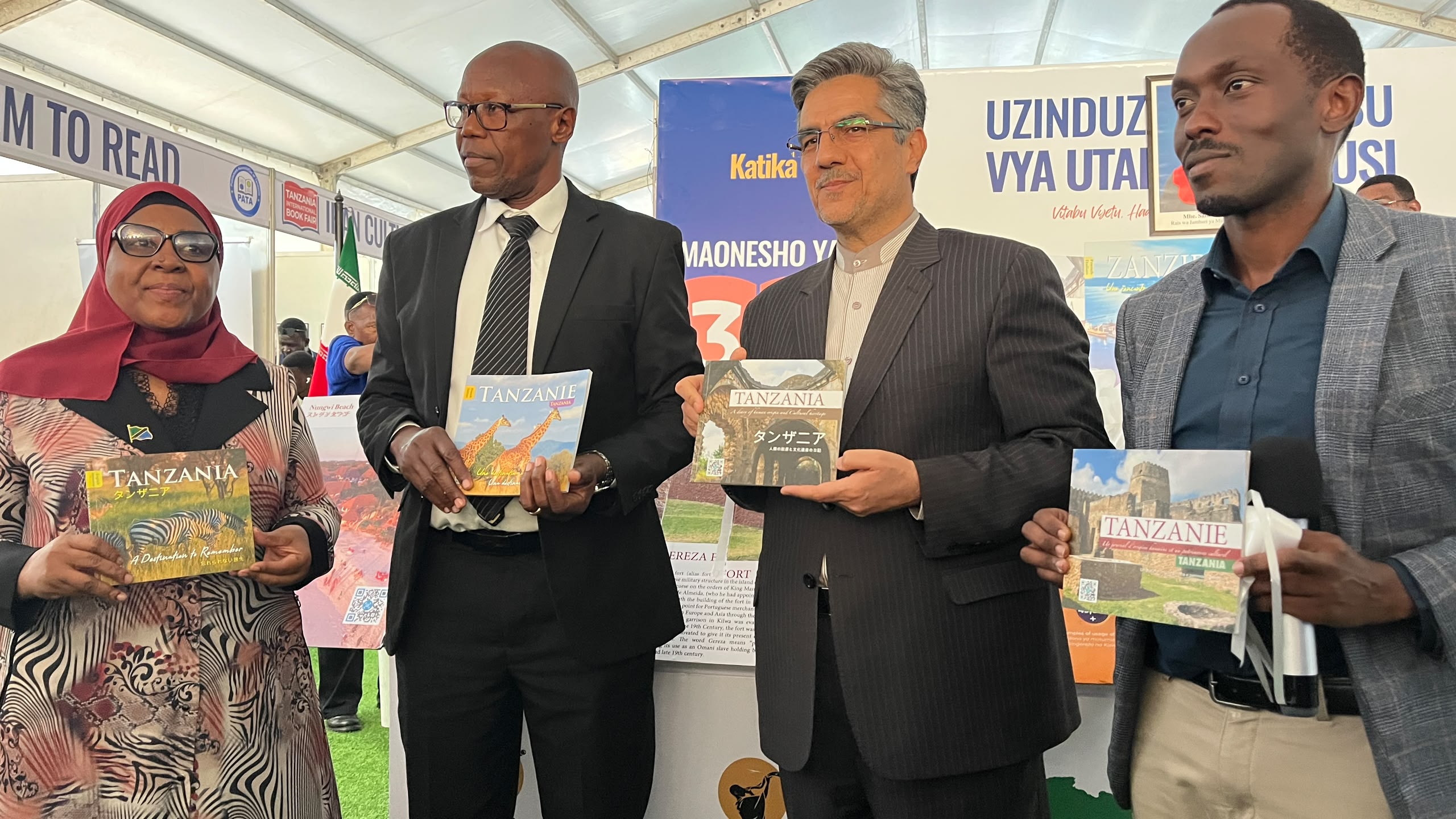
Tanzania has launched tailor-made tourism books and dictionaries in French, English, Japanese, Italian and Kiswahili, in a fresh bid to attract more international visitors to the country.
The vital publications, authored by prominent local writers, were launched in Dar es Salaam alongside the celebration of the 33rd edition of the Tanzania International Book Fair, held at the Central Library grounds.
Speaking during the launch event, the Deputy Permanent Secretary in the Ministry of Information, Culture, Arts and Sports, Mr Methusela Ntonda, called on educational institutions and private-sector players in the country to strengthen cooperation with authors, publishers and book distributors to ensure the production of high-quality books and expand Tanzania’s publishing industry.
The exhibition provides a platform for bringing together authors, publishers, readers, institutions and various stakeholders from within and outside the country.
“Books are important investments in education, knowledge and skills, playing a significant role in contributing to social development,” the Deputy Permanent Secretary said.
He noted that books are essential for preserving historical records, traditions and customs, while facilitating access to information for students, researchers and the wider community.
He also highlighted the contribution of dictionaries to language preservation and improved communication, noting that they promote the use of languages across various sectors, including business, education and technology.
For her part, Tanzania Tourist Board (TTB) Secretary General, Ms Gertrude Ndaro, said the initiative was driven by efforts under President Samia Suluhu Hassan to promote the country’s tourism sector, with a target of attracting eight billion tourists by 2030.
She said the board would use the books to promote Tanzania’s tourism attractions both locally and internationally, while ensuring the publications reach various stakeholders involved in marketing the country’s tourism industry.
Ndaro commended the authors and content developers for their efforts to promote tourism through written literature.
Meanwhile, Tanzania Arts and Culture Fund (TACAF) Chief Executive Officer, Nyakaho Mahemba, said writing was an important tool for preserving the country’s history, traditions and customs.
She noted that written literature also provides a foundation for producing various artistic works, including films, plays and stage performances, which depend on high-quality written content.
Mahemba said the fund had set aside loans worth 2.36 billion Tanzanian shillings to support 104 written-literature projects. She also urged Tanzanians to value and promote the Kiswahili language.
Hemed Salla, Chairman of the Tanzania Publishers Association, said the country had made significant progress in sustaining the international book fair and promoting a reading culture across East and Central Africa.
However, he identified the lack of a comprehensive national reading policy as a major challenge, saying such a policy would provide guidance for institutions and private-sector stakeholders.
He urged the government to expedite the development of a National Reading and Writing Policy to strengthen the culture of reading and learning and create a more conducive environment for the growth of the publishing industry.