



COPRA Develops Sustainable Crop Production Standards To Enhance Tanzania’s Crop Competitiveness In International Markets

Tanzania is stepping up efforts to penetrate global markets further and attract more buyers for its cash and food crops.
The East African country, endowed with vast agricultural potential, is emerging as one of the continent’s key food producers, with current production trends enabling it to meet domestic demand and supply food to neighbouring countries.
To position itself to generate more foreign exchange earnings from the sector, Tanzania has embarked on a robust strategy to improve the quality standards of its crop produce, with the aim of enhancing market appeal and strengthening competitiveness in international markets.
To achieve this, the country’s Cereals and Other Produce Regulatory Authority (COPRA) is working in sync with the Tanzania Bureau of Standards (TBS) to strengthen crop production standards.
Under this renewed agricultural drive, COPRA is developing sustainable crop production standards aimed at boosting agricultural productivity, protecting the environment, enhancing food security and strengthening the competitiveness of Tanzanian produce in both domestic and international markets.
The initiative seeks to ensure that crops produced in the country meet quality and safety requirements from the farm level, a move expected to add value to agricultural products, reduce losses incurred by farmers and expand their access to competitive markets offering better prices.
COPRA Director of Crop Standards Development, Ms. Pendo Bigambo, revealed the development during a stakeholders’ meeting convened recently in Morogoro Region to collect views and recommendations on the draft sustainable crop production standards.
She described the development of the standards as a significant step towards strengthening Tanzania’s agricultural sector, noting that the initiative would not only increase production but also promote the efficient and sustainable management of essential agricultural resources, including land and water, for the benefit of present and future generations.
Bigambo identified the improper use of fertilisers and pesticides, inadequate control of post-harvest crop pests, deforestation and soil erosion as some of the challenges requiring urgent attention through the adoption of good agricultural practices.
According to her, the misuse of agricultural chemicals contrary to experts’ recommendations can compromise crop quality and safety, while unsustainable farming practices contribute to environmental degradation and declining soil fertility.
She said COPRA, in collaboration with TBS and other stakeholders, had prepared three draft standards covering different crop categories to ensure that production practices respond to market requirements while taking into account the realities facing farmers across the country.
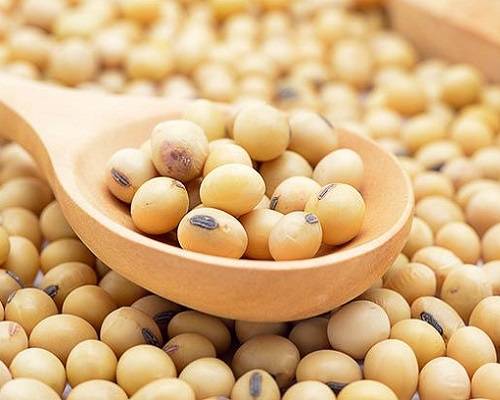
The proposed standards cover cereals, including maize, rice and wheat; legumes, including cowpeas, green grams, lentils, beans and soybeans; as well as horticultural crops, including spices such as black pepper, cinnamon, cloves and cardamom, alongside avocados.
Moreover, she stressed that stakeholders’ contributions were essential to ensuring that the proposed standards were practical, implementable and compatible with available technologies, without imposing unnecessary burdens on farmers.
For her part, TBS Senior Standards Officer, Ms Edimitha Rwiza, said the initiative was intended to address the challenge of agricultural produce being supplied in large quantities without meeting the quality requirements demanded by markets.
She explained that sustainable crop production standards would help improve the quality and safety of agricultural products while enabling farmers to increase production in line with market demands and strengthen national food security.
Morogoro Regional Assistant Administrative Secretary for Economic Affairs and Production, Dr Rozalia Rwegasira, said compliance with sustainable production standards could enable farmers to access more competitive markets and secure prices that reflect the quality of their produce.
She noted that variations in crop quality often result in price differences in the marketplace, underscoring the need to educate farmers on good agricultural practices to ensure their products meet buyers’ expectations.
Dr Rwegasira further stressed that the proper use of pesticides and observance of recommended pre-harvest intervals were critical to protecting consumers’ health.
She cautioned that harvesting crops before the prescribed waiting period following pesticide application had elapsed could leave harmful chemical residues in food products, potentially exposing consumers to health risks.
She added that implementing the standards would also help reduce avoidable production costs and losses while building buyers’ confidence in agricultural produce from Tanzania.
Stakeholders who attended the meeting are expected to submit recommendations to improve the draft standards before the process of finalising them into official sustainable crop production standards for the country is completed.