



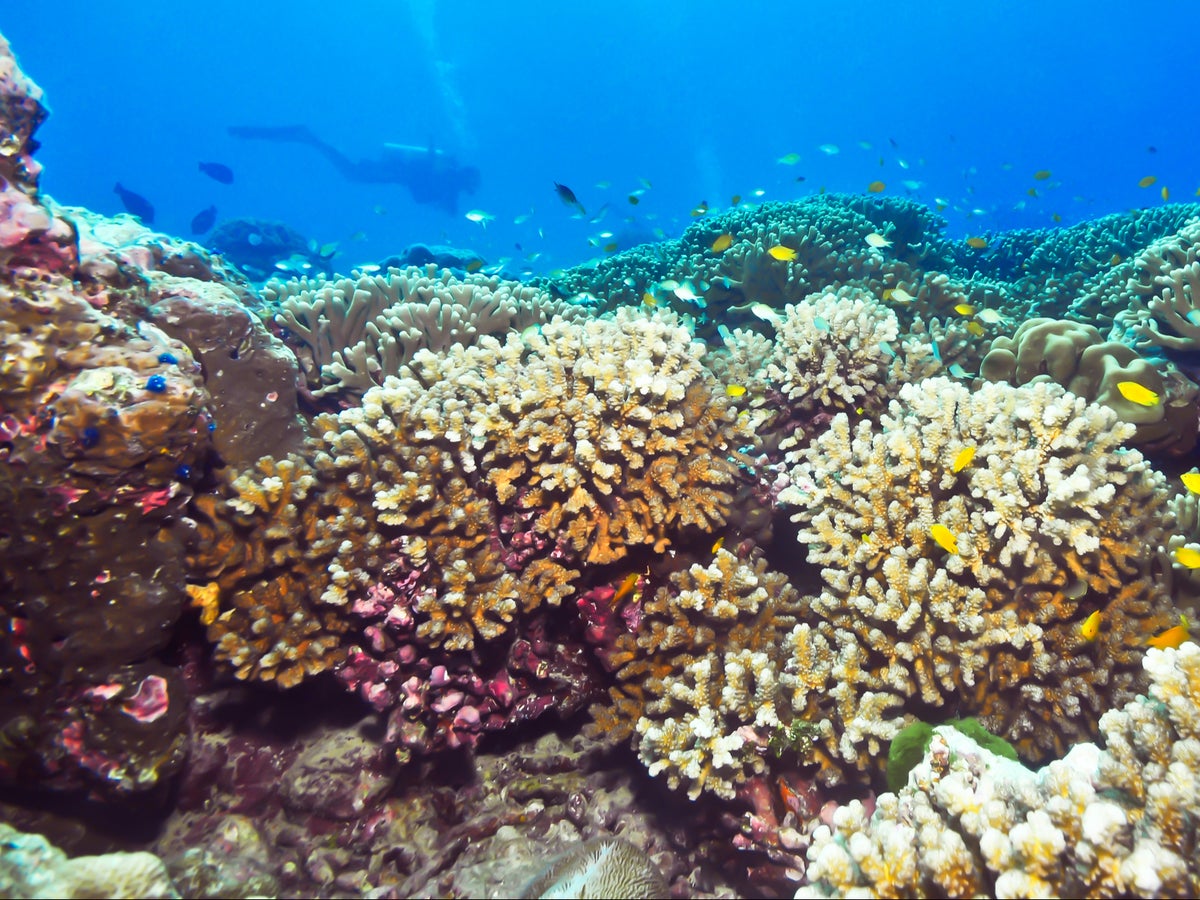
Climate change has been cited as a major driver of rising ocean temperatures and increasing acidity, putting coral reefs, fisheries and the livelihoods of coastal communities at growing risk.
In his remarks while opening the 12th Conference of Parties to the Nairobi Convention (COP12) for the Western Indian Ocean region at the Julius Nyerere International Convention Centre (JNICC) in Dar es Salaam, Minister of State in the Vice-President’s Office (Union and Environment), Engineer Hamad Masauni, called on Nairobi Convention member states to take stronger and coordinated action against climate change, marine pollution and the unsustainable use of ocean resources.

He warned that mounting environmental pressures are increasingly threatening marine ecosystems and the livelihoods of communities that depend on them.
Addressing delegates at the meeting, the minister stated that climate change is intensifying threats to the ocean through rising water temperatures and increasing acidity, putting coral reefs, fisheries and coastal livelihoods at risk.
He added that plastic pollution and unsustainable resource use are further damaging marine ecosystems and undermining efforts to protect the region’s marine resources.
“Decisions reached at COP12 should be grounded in scientific evidence and translated into national and regional action; there is a need to involve coastal communities, women and youth in conservation policies and programmes,” he said.
Moreover, Mr Masauni said Tanzania had, during its chairmanship of the Nairobi Convention, overseen several initiatives, including the completion of protocols on marine and coastal biodiversity and protected areas, a Regional Oil Spill Emergency Plan and a Regional Strategy on Plastics and Associated Chemicals.
He added that Tanzania had also begun developing a regional vision and implementation framework for marine biodiversity in areas beyond national jurisdiction (BBNJ), with some of the documents expected to be presented for adoption at COP12.